WELCOME TO FANGDA ELECTRIC MACHINE CO..LTD



Understanding the Functionality and Applications of Single-Phase Asynchronous Motors
Mar 09,2026
Single-phase asynchronous motors, widely used in numerous applications, are a staple in the electrical engineering sector, particularly in generator and generator set manufacturing. These motors operate on the principle of electromagnetic induction, where the rotor is induced to move without a direct electrical connection. This characteristic makes them particularly suited for applications requiri
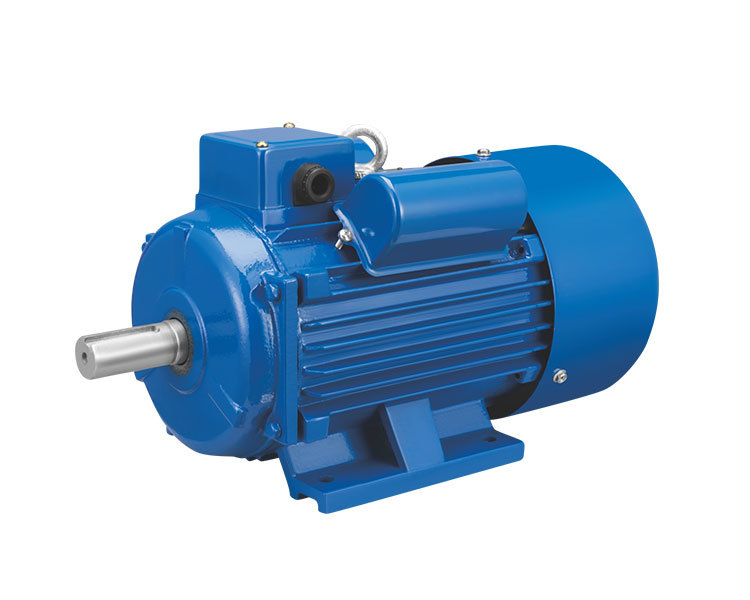
Single-phase asynchronous motors, widely used in numerous applications, are a staple in the electrical engineering sector, particularly in generator and generator set manufacturing. These motors operate on the principle of electromagnetic induction, where the rotor is induced to move without a direct electrical connection. This characteristic makes them particularly suited for applications requiring reliable and efficient operation.
One of the defining features of single-phase asynchronous motors is their simplicity in design. Typically, these motors consist of a stator with a single winding and a rotor that operates through the generation of a rotating magnetic field. The motor starts when an alternating current (AC) is supplied to the stator, creating a magnetic field that induces current in the rotor. As the rotor begins to spin, it does so at a speed slightly less than the synchronous speed, hence the term "asynchronous."
When considering applications, single-phase asynchronous motors are commonly found in smaller devices where three-phase power is unavailable or impractical. For instance, they are frequently used in household appliances, fans, small pumps, and HVAC systems. Their ability to start under load without the need for complex starting mechanisms makes them a preferred choice for various residential and light industrial applications.
In terms of efficiency, single-phase asynchronous motors generally exhibit good performance with minimal maintenance requirements. They can operate at varying loads and speeds, making them adaptable to different operational needs. However, one must consider their limitations, as these motors are not as efficient or powerful as their three-phase counterparts. The torque output can also be less substantial, which may limit their use in heavy-duty applications.
From a technical standpoint, understanding the power factor is crucial when working with single-phase asynchronous motors. The power factor indicates the efficiency with which the motor converts electrical energy into mechanical energy. A low power factor can result in higher energy consumption and increased operational costs. Therefore, ensuring that the motor operates close to its rated load can help maintain an optimal power factor.
Moreover, the selection of the right single-phase asynchronous motor involves careful consideration of factors such as the required torque, speed, and load conditions. Engineers must also take into account the environmental conditions in which the motor will operate, as factors like temperature and humidity can influence performance.
In summary, single-phase asynchronous motors are vital components in the electrical engineering landscape, particularly in generator systems. Their unique operational principles, coupled with their adaptability and efficiency, make them a reliable choice for a wide range of applications. Understanding their functionality and characteristics can help professionals optimize their use in various projects, ensuring effective and efficient energy solutions.
One of the defining features of single-phase asynchronous motors is their simplicity in design. Typically, these motors consist of a stator with a single winding and a rotor that operates through the generation of a rotating magnetic field. The motor starts when an alternating current (AC) is supplied to the stator, creating a magnetic field that induces current in the rotor. As the rotor begins to spin, it does so at a speed slightly less than the synchronous speed, hence the term "asynchronous."
When considering applications, single-phase asynchronous motors are commonly found in smaller devices where three-phase power is unavailable or impractical. For instance, they are frequently used in household appliances, fans, small pumps, and HVAC systems. Their ability to start under load without the need for complex starting mechanisms makes them a preferred choice for various residential and light industrial applications.
In terms of efficiency, single-phase asynchronous motors generally exhibit good performance with minimal maintenance requirements. They can operate at varying loads and speeds, making them adaptable to different operational needs. However, one must consider their limitations, as these motors are not as efficient or powerful as their three-phase counterparts. The torque output can also be less substantial, which may limit their use in heavy-duty applications.
From a technical standpoint, understanding the power factor is crucial when working with single-phase asynchronous motors. The power factor indicates the efficiency with which the motor converts electrical energy into mechanical energy. A low power factor can result in higher energy consumption and increased operational costs. Therefore, ensuring that the motor operates close to its rated load can help maintain an optimal power factor.
Moreover, the selection of the right single-phase asynchronous motor involves careful consideration of factors such as the required torque, speed, and load conditions. Engineers must also take into account the environmental conditions in which the motor will operate, as factors like temperature and humidity can influence performance.
In summary, single-phase asynchronous motors are vital components in the electrical engineering landscape, particularly in generator systems. Their unique operational principles, coupled with their adaptability and efficiency, make them a reliable choice for a wide range of applications. Understanding their functionality and characteristics can help professionals optimize their use in various projects, ensuring effective and efficient energy solutions.

Contact
E-mail :
Tel/ WhatsApp:
Address:
Daxi Industrial District, Daxi Town, Wenling City, Zhejiang, China
Daxi Industrial District, Daxi Town, Wenling City, Zhejiang, China
