WELCOME TO FANGDA ELECTRIC MACHINE CO..LTD



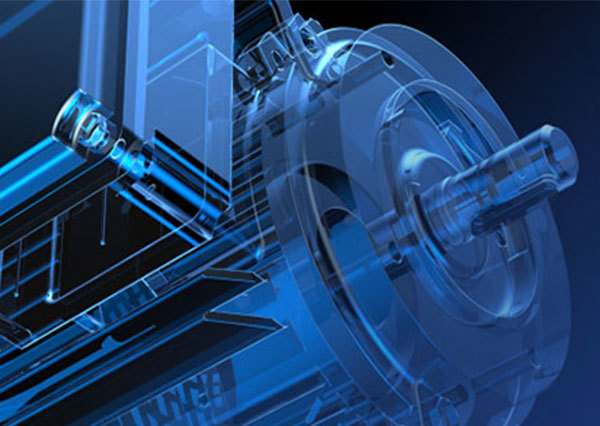
Enhancing Durability in Power Generation: The Role of Aluminum Housing Motors
Mar 30,2026
How Aluminum Housing Motors Improve Durability in Power Generation Equipment
Table of Contents
1. Introduction to Aluminum Housing Motors
2. Key Benefits of Aluminum Housing in Motors
3. Corrosion Resistance: A Crucial Factor
4. Thermal Management in Power Generation
5. The Weight Advantage of Aluminum Housing Motors
6. Energy Efficiency and Performance
7. Maintenance Considerations for Aluminum
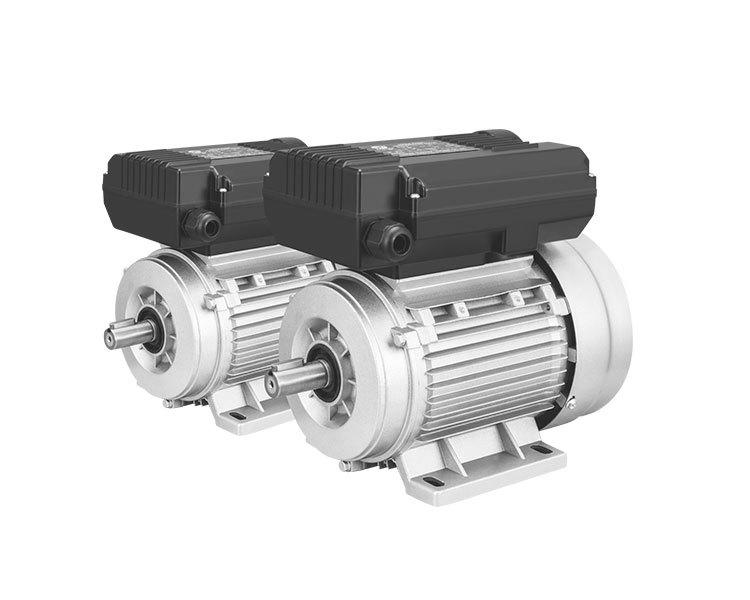
How Aluminum Housing Motors Improve Durability in Power Generation Equipment
Table of Contents
- 1. Introduction to Aluminum Housing Motors
- 2. Key Benefits of Aluminum Housing in Motors
- 3. Corrosion Resistance: A Crucial Factor
- 4. Thermal Management in Power Generation
- 5. The Weight Advantage of Aluminum Housing Motors
- 6. Energy Efficiency and Performance
- 7. Maintenance Considerations for Aluminum Housing Motors
- 8. Real-World Applications and Case Studies
- 9. Conclusion
- 10. Frequently Asked Questions
1. Introduction to Aluminum Housing Motors
As the global demand for energy continues to rise, the need for robust and efficient power generation equipment becomes increasingly critical. **Aluminum housing motors** have emerged as a significant innovation in this sector, offering improved durability and performance. This article explores how these motors enhance the resilience of power generation systems, ultimately contributing to better energy efficiency and reduced operational costs.
2. Key Benefits of Aluminum Housing in Motors
Aluminum housing motors present numerous advantages over traditional materials, such as cast iron or steel. Their lightweight nature and inherent properties make them ideal for a range of applications in power generation.
2.1 Lightweight and Robust Design
One of the most prominent benefits of aluminum housing is its lightweight characteristics. This attribute not only facilitates easier handling and installation but also reduces the overall weight of the equipment. The robust nature of aluminum ensures that these motors can withstand harsh environmental conditions, including vibration and impact, thus prolonging their lifespan.
2.2 Excellent Thermal Conductivity
Aluminum boasts superior thermal conductivity compared to other materials, allowing for efficient heat dissipation. This quality is particularly essential in power generation equipment where overheating can lead to motor failure. By effectively managing heat, aluminum housing motors help maintain optimal operating conditions.
3. Corrosion Resistance: A Crucial Factor
Corrosion presents a significant challenge in power generation environments, particularly in coastal areas where salt exposure is prevalent. **Aluminum** is naturally resistant to corrosion, thanks to its ability to form a protective oxide layer when exposed to air. This quality makes aluminum housing motors particularly suited for use in adverse environments, ensuring longevity and reliability.
3.1 Protecting Against Environmental Factors
In power generation, exposure to moisture, chemicals, and other environmental factors can lead to deterioration. Aluminum housing motors mitigate these risks, maintaining performance and minimizing the need for frequent replacements or repairs.
3.2 Long-Term Cost Savings
The durability and corrosion resistance of aluminum housing motors translate into significant long-term cost savings. With reduced maintenance needs and fewer replacements, organizations can allocate resources more effectively, ultimately improving their bottom line.
4. Thermal Management in Power Generation
Effective thermal management is essential in power generation to ensure the safety and efficiency of equipment. Aluminum housing motors excel in this area, offering solutions that prevent overheating and promote operational stability.
4.1 Innovative Cooling Solutions
Many aluminum housing motors incorporate innovative cooling solutions, such as integrated heat sinks or fans, to further enhance thermal management. These features ensure that the motor operates within its optimal temperature range, thereby improving efficiency and durability.
4.2 Impact on Overall Performance
By maintaining appropriate temperatures, aluminum housing motors not only prolong their lifespan but also enhance overall performance, ensuring that power generation equipment delivers consistent output even under demanding conditions.
5. The Weight Advantage of Aluminum Housing Motors
The weight of power generation equipment can significantly impact installation, transportation, and maintenance activities. Aluminum housing motors resolve these challenges through their lightweight design.
5.1 Improved Mobility and Installation
The lightweight nature of aluminum housing motors simplifies transportation and installation processes. This advantage is particularly beneficial in remote locations where logistics can be a challenge, allowing for quicker deployment and reduced labor costs.
5.2 Enhanced Efficiency in Equipment Design
With lighter components, power generation systems can be designed more efficiently, allowing for compact setups without sacrificing performance. This design flexibility opens the door to innovative configurations in energy generation.
6. Energy Efficiency and Performance
Energy efficiency is a top priority in the power generation sector, and aluminum housing motors contribute significantly to achieving this goal.
6.1 Reducing Energy Losses
Aluminum housing motors are designed to minimize energy losses through efficient motor design and the effective management of heat. This efficiency translates into lower operating costs and reduced environmental impact.
6.2 Optimized Performance Under Varying Loads
These motors exhibit excellent performance under varying loads, maintaining efficiency even as demand fluctuates. This adaptability is crucial in power generation, where load variations are common.
7. Maintenance Considerations for Aluminum Housing Motors
While aluminum housing motors are designed for durability, regular maintenance is essential to ensure optimal performance.
7.1 Simplified Maintenance Procedures
The robust design of aluminum housing motors allows for simplified maintenance procedures. Regular inspections and maintenance can be conducted with ease, reducing downtime and associated costs.
7.2 Long-Term Reliability
Due to their resistance to wear and corrosion, aluminum housing motors often require less frequent maintenance compared to traditional motors. This reliability contributes to the overall efficiency of power generation operations.
8. Real-World Applications and Case Studies
To illustrate the benefits of aluminum housing motors in power generation, let’s examine some real-world applications and case studies.
8.1 Case Study: Offshore Wind Farms
In offshore wind farms, the harsh marine environment poses significant challenges for power generation equipment. Aluminum housing motors have been successfully implemented in these settings due to their corrosion resistance and durability, resulting in reduced maintenance costs and extended operational life.
8.2 Case Study: Hydroelectric Plants
Hydroelectric plants often experience high humidity and water exposure, making corrosion a major concern. The use of aluminum housing motors in these facilities has proven effective, ensuring reliable performance and minimizing equipment failures.
9. Conclusion
In the ever-evolving field of power generation, **aluminum housing motors** stand out for their exceptional durability, efficiency, and performance. Their lightweight design, corrosion resistance, and effective thermal management make them an ideal choice for various applications within the sector. As organizations strive to optimize their energy solutions, the adoption of aluminum housing motors will undoubtedly play a pivotal role in enhancing the durability and efficiency of power generation equipment.
10. Frequently Asked Questions
10.1 What are the main advantages of aluminum housing motors?
Aluminum housing motors offer lightweight design, excellent corrosion resistance, effective thermal management, and lower maintenance needs, making them ideal for power generation applications.
10.2 How do aluminum housing motors compare to traditional materials?
Compared to traditional materials like cast iron or steel, aluminum is lighter, more resistant to corrosion, and provides better thermal conductivity, resulting in enhanced performance and durability.
10.3 Are aluminum housing motors suitable for offshore applications?
Yes, aluminum housing motors are particularly suited for offshore applications due to their corrosion resistance and ability to withstand harsh environmental conditions.
10.4 What maintenance practices should be followed for aluminum housing motors?
Regular inspections, lubrication of moving parts, and monitoring for any signs of wear or corrosion are essential maintenance practices to ensure optimal performance.
10.5 Can aluminum housing motors be used in high-temperature environments?
Yes, aluminum housing motors can perform well in high-temperature environments, especially when equipped with effective thermal management solutions to prevent overheating.


Contact
E-mail :
Tel/ WhatsApp:
Address:
Daxi Industrial District, Daxi Town, Wenling City, Zhejiang, China
Daxi Industrial District, Daxi Town, Wenling City, Zhejiang, China
