WELCOME TO FANGDA ELECTRIC MACHINE CO..LTD



Single-Phase Asynchronous Motors vs. Other Motor Types: A Comprehensive Comparison
Apr 11,2026
Single-Phase Asynchronous Motors vs. Other Motor Types: A Comprehensive Comparison
Table of Contents
1. Introduction to Electric Motors
2. Understanding Single-Phase Asynchronous Motors
2.1 Construction and Working Principle
2.2 Advantages of Single-Phase Asynchronous Motors
2.3 Disadvantages of Single-Phase Asynchronous Motors
3.
Single-Phase Asynchronous Motors vs. Other Motor Types: A Comprehensive Comparison
Table of Contents
- 1. Introduction to Electric Motors
- 2. Understanding Single-Phase Asynchronous Motors
- 2.1 Construction and Working Principle
- 2.2 Advantages of Single-Phase Asynchronous Motors
- 2.3 Disadvantages of Single-Phase Asynchronous Motors
- 3. Exploring Other Motor Types
- 4. Comparative Analysis: Single-Phase Asynchronous Motors vs. Other Types
- 5. Applications and Industry Usage
- 6. Maintenance and Longevity of Electric Motors
- 7. Future Trends in Motor Technology
- 8. Conclusion
- 9. FAQs
1. Introduction to Electric Motors
Electric motors are integral to numerous applications, ranging from household appliances to industrial machinery. Each motor type has distinct operational characteristics, efficiency levels, and applications. Among these, **single-phase asynchronous motors** are a popular choice, especially in residential and light commercial settings. This article will provide a thorough comparison of single-phase asynchronous motors with other prevalent motor types, examining their features, advantages, and drawbacks.
2. Understanding Single-Phase Asynchronous Motors
2.1 Construction and Working Principle
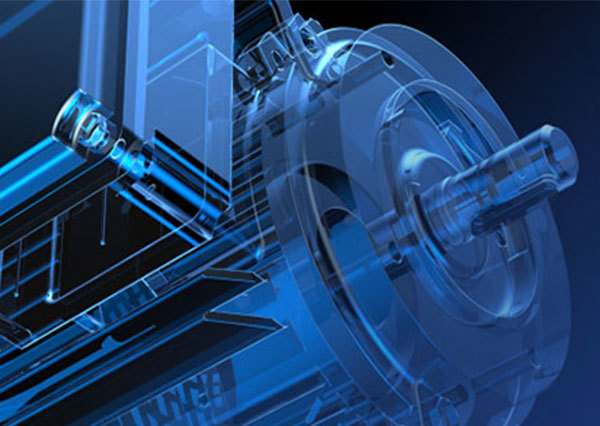
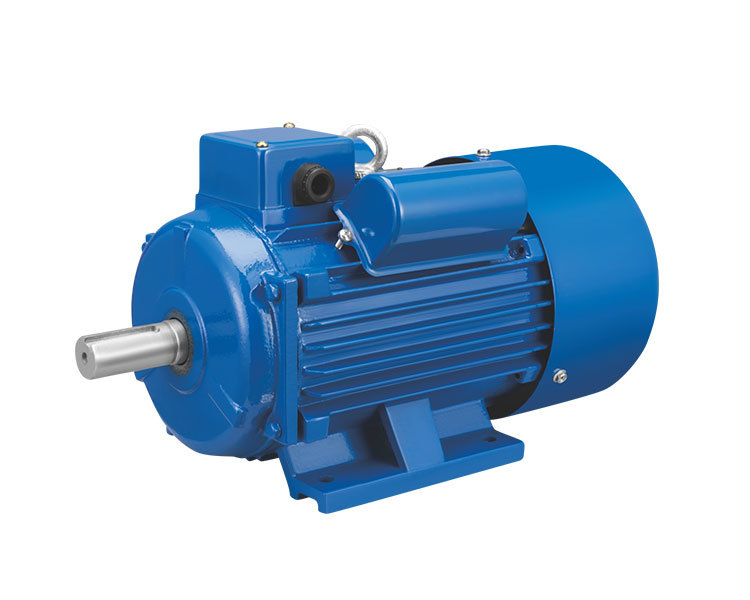
Single-phase asynchronous motors, commonly referred to as induction motors, operate on the principle of electromagnetic induction. These motors consist of a stator and a rotor. The stator generates a magnetic field when electric current flows through its windings. The rotor, which is placed within this magnetic field, experiences a force that causes it to turn.
The unique aspect of single-phase motors is their reliance on a single-phase power supply. This characteristic can lead to specific performance issues, which we will discuss further in this article. Typically, a starting mechanism such as a capacitor or a shading coil is employed to initiate rotor movement, thereby overcoming the challenges of starting in a single-phase system.
2.2 Advantages of Single-Phase Asynchronous Motors
Single-phase asynchronous motors come with several advantages:
- **Simplicity of Design**: The design of single-phase motors is straightforward, making them easier and less expensive to manufacture.
- **Low Cost**: Due to their simple design and lower production costs, single-phase motors are often more affordable than their three-phase counterparts.
- **Ease of Maintenance**: These motors typically require less maintenance due to fewer components and mechanisms.
- **Versatility**: They are ideal for small applications such as fans, pumps, and household appliances.
2.3 Disadvantages of Single-Phase Asynchronous Motors
Despite their advantages, there are notable drawbacks:
- **Lower Efficiency**: Single-phase motors tend to have lower efficiency compared to three-phase motors, particularly under heavy load.
- **Less Starting Torque**: They generally provide lower starting torque, which can limit their usability in certain industrial applications.
- **Vibration and Noise**: When operated at higher speeds, these motors can produce more vibration and noise compared to other motor types.
3. Exploring Other Motor Types
3.1 Three-Phase Asynchronous Motors
Three-phase asynchronous motors are widely used in industrial settings. These motors utilize three-phase electrical supply, which provides a more stable and balanced power source. The advantages of three-phase motors include:
- **Higher Efficiency**: They are generally more efficient, especially under load.
- **Improved Starting Torque**: The starting torque is significantly higher, making them suitable for industrial applications demanding more power.
- **Less Vibration**: They tend to operate with less vibration and noise, thereby increasing longevity and reducing maintenance needs.
3.2 DC Motors
DC motors are another essential type of electric motor. They operate using direct current and are known for their excellent speed control capabilities. Key features include:
- **Speed Regulation**: DC motors allow for precise speed adjustments, making them ideal for applications requiring variable speed operations.
- **High Starting Torque**: They provide high starting torque, which is beneficial in applications like electric vehicles and cranes.
However, DC motors require more maintenance due to the presence of brushes and commutators, which can wear out over time.
3.3 Stepper Motors
Stepper motors are a type of brushless DC motor that moves in discrete steps. They are widely used in applications requiring precise positioning, such as 3D printers and CNC machines. Advantages include:
- **Precision Control**: Stepper motors offer exceptional control over position and speed, making them ideal for automation.
- **Simplicity of Control**: They can be controlled easily with digital circuits, enhancing their usability in robotic and automated systems.
4. Comparative Analysis: Single-Phase Asynchronous Motors vs. Other Types
When comparing single-phase asynchronous motors to three-phase, DC, and stepper motors, several factors come into play.
- **Efficiency**: Three-phase motors typically outperform single-phase motors in efficiency, especially under varying load conditions.
- **Initial Cost**: Single-phase motors are more economical to purchase and install but may incur higher operational costs over time due to lower efficiency.
- **Torque**: When it comes to starting torque, three-phase motors lead the pack, followed by DC motors and then single-phase motors. This factor is critical for applications requiring immediate power.
- **Maintenance**: Single-phase motors require less care, while DC motors demand more attention due to their brush wear.
In conclusion, the choice of motor largely depends on the specific application requirements, such as power needs, efficiency, and cost considerations.
5. Applications and Industry Usage
Single-phase asynchronous motors are ideal for various applications, including:
- **Home Appliances**: Refrigerators, washing machines, and air conditioners commonly use these motors for their simplicity and reliability.
- **Small Pumps and Fans**: Their design suits low-power applications, making them ideal for small pumps and fans in residential settings.
- **Light Industrial Equipment**: While primarily found in residential applications, single-phase motors can also serve light industrial needs, though they may not be the first choice for heavy machinery.
In contrast, three-phase motors dominate industries requiring high power and efficiency, like manufacturing and heavy equipment industries. DC motors are preferred in applications requiring precise speed control, while stepper motors excel in automation and robotics.
6. Maintenance and Longevity of Electric Motors
The longevity of any electric motor is significantly influenced by its design and operational environment. Regular maintenance practices, such as keeping the motor clean and ensuring proper lubrication, are essential for extending the life of all motor types.
For single-phase asynchronous motors, maintenance is generally straightforward. However, ensuring that the starting mechanisms function correctly is vital. In contrast, three-phase motors often require more specialized servicing, particularly in industrial settings.
7. Future Trends in Motor Technology
As technology continues to evolve, so do electric motors. Innovations such as **smart motors** with IoT integration are becoming more prevalent, allowing for advanced monitoring and control. These developments not only enhance efficiency but also contribute to sustainable energy practices. Additionally, advancements in materials and designs promise to improve motor performance, efficiency, and lifespan across all motor types.
8. Conclusion
The comparison between single-phase asynchronous motors and other motor types reveals distinct advantages and disadvantages. Single-phase motors are ideal for low-power applications due to their simple design and affordability. However, for applications requiring high torque and efficiency, three-phase motors may be the better choice. Understanding each motor type's unique features is paramount when selecting the right motor for specific applications.
9. FAQs
1. What is a single-phase asynchronous motor?
Single-phase asynchronous motors are electric motors that operate on a single-phase power supply and rely on electromagnetic induction. They are widely used in home appliances and light commercial equipment.
2. What are the main advantages of single-phase asynchronous motors?
The main advantages include simplicity of design, low cost, ease of maintenance, and versatility for small applications.
3. How does a three-phase motor differ from a single-phase motor?
Three-phase motors use a three-phase power supply, offering higher efficiency, better starting torque, and reduced vibration compared to single-phase motors.
4. What are the typical applications for DC motors?
DC motors are commonly used in applications requiring precise speed control, such as electric vehicles, cranes, and conveyors.
5. How do stepper motors work?
Stepper motors move in discrete steps, allowing for precise positioning and control, making them ideal for automation in applications like 3D printing and CNC machining.
In summary, understanding the differences between single-phase asynchronous motors and other motor types will empower you to make informed choices for your projects, ensuring optimal performance and efficiency.


Contact
E-mail :
Tel/ WhatsApp:
Address:
Daxi Industrial District, Daxi Town, Wenling City, Zhejiang, China
Daxi Industrial District, Daxi Town, Wenling City, Zhejiang, China
