WELCOME TO FANGDA ELECTRIC MACHINE CO..LTD



Understanding the Three-Phase Asynchronous Motor: Key Insights for Automotive Applications
Apr 26,2026
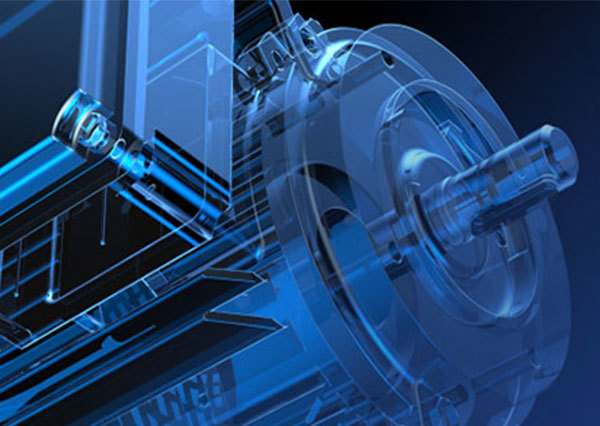
The three-phase asynchronous motor, often referred to as an induction motor, is a pivotal component in various automotive applications, particularly in electric and electronic systems. This motor operates on the principle of electromagnetic induction and is characterized by its ability to run efficiently on a three-phase power supply.
One of the primary advantages of three-phase asynchronous motor
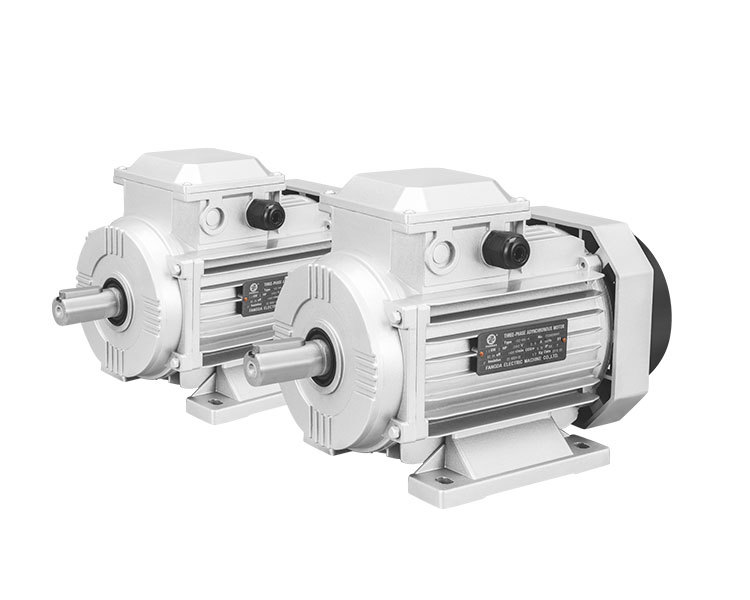
The three-phase asynchronous motor, often referred to as an induction motor, is a pivotal component in various automotive applications, particularly in electric and electronic systems. This motor operates on the principle of electromagnetic induction and is characterized by its ability to run efficiently on a three-phase power supply.
One of the primary advantages of three-phase asynchronous motors is their reliability. Unlike synchronous motors, which require external means to maintain their rotational speed, asynchronous motors self-regulate based on load conditions. This feature is particularly beneficial in automotive environments, where varying speeds and loads are common. For instance, an electric starter motor in a car can utilize this type of motor to effectively manage the power needed to start the engine without the need for complex control systems.
Efficiency is another noteworthy aspect of three-phase asynchronous motors. They tend to operate with higher overall efficiency compared to single-phase motors. The three-phase power supply allows for a smoother and more balanced operation, reducing vibrations and extending the life of the motor. This efficiency is crucial in automotive applications, where energy conservation is paramount, especially in electric vehicles (EVs) and hybrid models.
The design of three-phase asynchronous motors also contributes to their popularity in automotive applications. These motors are typically compact, making them suitable for tight spaces within a vehicle. Moreover, their robust construction enables them to withstand harsh operating conditions, such as temperature fluctuations and exposure to moisture. This durability is essential for components like automotive starters, which are exposed to various environmental factors.
When it comes to maintenance, three-phase asynchronous motors are relatively low-maintenance compared to other types of motors. Their simple design means there are fewer components that can wear out or fail, resulting in lower long-term operational costs. This is particularly appealing for automotive manufacturers and service providers looking to enhance the reliability of their products.
In summary, the three-phase asynchronous motor is a cornerstone technology in the automotive industry, known for its reliability, efficiency, and compact design. Its ability to perform under varying loads makes it an excellent choice for applications ranging from starters to electric motors in vehicles. Understanding these motors' operational principles and benefits can provide valuable insights for professionals working with automotive electronic and electrical components. As the industry continues to evolve, the importance of such motors will likely grow, especially with the increasing shift toward electric and hybrid vehicles.
One of the primary advantages of three-phase asynchronous motors is their reliability. Unlike synchronous motors, which require external means to maintain their rotational speed, asynchronous motors self-regulate based on load conditions. This feature is particularly beneficial in automotive environments, where varying speeds and loads are common. For instance, an electric starter motor in a car can utilize this type of motor to effectively manage the power needed to start the engine without the need for complex control systems.
Efficiency is another noteworthy aspect of three-phase asynchronous motors. They tend to operate with higher overall efficiency compared to single-phase motors. The three-phase power supply allows for a smoother and more balanced operation, reducing vibrations and extending the life of the motor. This efficiency is crucial in automotive applications, where energy conservation is paramount, especially in electric vehicles (EVs) and hybrid models.
The design of three-phase asynchronous motors also contributes to their popularity in automotive applications. These motors are typically compact, making them suitable for tight spaces within a vehicle. Moreover, their robust construction enables them to withstand harsh operating conditions, such as temperature fluctuations and exposure to moisture. This durability is essential for components like automotive starters, which are exposed to various environmental factors.
When it comes to maintenance, three-phase asynchronous motors are relatively low-maintenance compared to other types of motors. Their simple design means there are fewer components that can wear out or fail, resulting in lower long-term operational costs. This is particularly appealing for automotive manufacturers and service providers looking to enhance the reliability of their products.
In summary, the three-phase asynchronous motor is a cornerstone technology in the automotive industry, known for its reliability, efficiency, and compact design. Its ability to perform under varying loads makes it an excellent choice for applications ranging from starters to electric motors in vehicles. Understanding these motors' operational principles and benefits can provide valuable insights for professionals working with automotive electronic and electrical components. As the industry continues to evolve, the importance of such motors will likely grow, especially with the increasing shift toward electric and hybrid vehicles.

Contact
E-mail :
Tel/ WhatsApp:
Address:
Daxi Industrial District, Daxi Town, Wenling City, Zhejiang, China
Daxi Industrial District, Daxi Town, Wenling City, Zhejiang, China
