WELCOME TO FANGDA ELECTRIC MACHINE CO..LTD



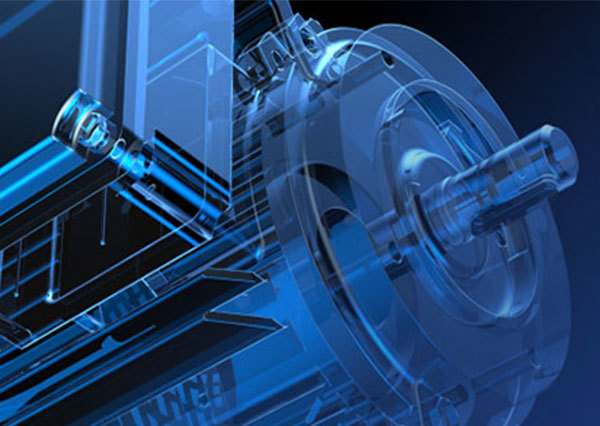
Maximizing Output: The Role of Special-Type Motors in Generators
May 11,2026
Maximizing Output: The Role of Special-Type Motors in Generators
Table of Contents
1. Introduction to Special-Type Motors and Generators
2. Understanding Special-Type Motors
3. Types of Special-Type Motors Used in Generators
3.1 Permanent Magnet Motors
3.2 Synchronous Motors
3.3 Asynchronous Motors
3.4 Stepper Motors
3.5 Induction Mot
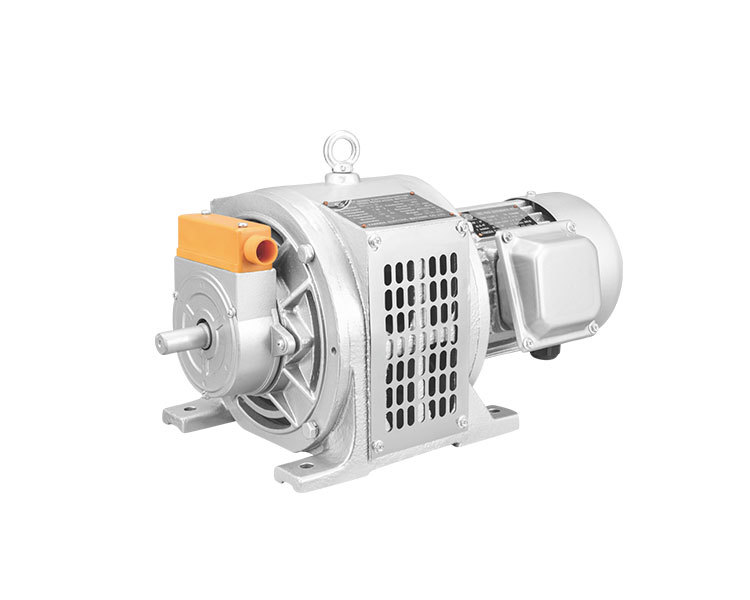
Maximizing Output: The Role of Special-Type Motors in Generators
Table of Contents
- 1. Introduction to Special-Type Motors and Generators
- 2. Understanding Special-Type Motors
- 3. Types of Special-Type Motors Used in Generators
- 3.1 Permanent Magnet Motors
- 3.2 Synchronous Motors
- 3.3 Asynchronous Motors
- 3.4 Stepper Motors
- 3.5 Induction Motors
- 4. Mechanism of Action of Special-Type Motors in Generators
- 5. Advantages of Using Special-Type Motors
- 6. Applications of Special-Type Motors in Generators
- 7. Common Issues and Solutions in Special-Type Motors
- 8. Future Trends in Generator Technology and Special-Type Motors
- 9. Frequently Asked Questions
- 10. Conclusion
1. Introduction to Special-Type Motors and Generators
In the realm of **electrical engineering**, particularly concerning **generators**, special-type motors play a pivotal role in maximizing output and efficiency. These motors, designed for specific applications, enhance the performance of generators, ensuring they produce optimal energy levels. Understanding the intricate relationship between special-type motors and generators is essential for engineers and technicians aiming to boost energy efficiency in various industries.
2. Understanding Special-Type Motors
Special-type motors are engineered to meet unique operational needs beyond standard electric motors. Unlike conventional motors, which might operate efficiently under limited conditions, special-type motors are tailored to deliver high performance in specialized applications. Their unique designs allow them to perform better in specific environments, increasing the overall efficiency of generators.
Key Features of Special-Type Motors
- **High Efficiency:** These motors often operate at higher efficiencies, converting more electrical energy into mechanical energy.
- **Durability:** Built to withstand harsh conditions, special-type motors offer longevity and reliability.
- **Versatility:** Their adaptability enables them to be used across various applications, from industrial generators to renewable energy systems.
3. Types of Special-Type Motors Used in Generators
Understanding the specific types of special-type motors is crucial for identifying the best fit for a generator's application. Below are some prevalent types utilized in generators.
3.1 Permanent Magnet Motors
Permanent magnet motors use magnets made of rare earth materials to create a magnetic field. This design eliminates the need for external excitation, resulting in high efficiency and compact size. They are favored in applications where space is limited and performance is paramount.
3.2 Synchronous Motors
Synchronous motors operate at a constant speed, directly related to the supply frequency. They are essential in applications requiring precise speed and position control, making them ideal for use in generators where stability is a priority.
3.3 Asynchronous Motors
Asynchronous motors, also known as induction motors, are commonly used in generators due to their simplicity and robustness. They can operate under varying load conditions, making them versatile in various industrial applications.
3.4 Stepper Motors
Stepper motors divide a full rotation into a series of discrete steps, providing precise control over angular positioning. They are increasingly utilized in applications where accuracy and control are critical, such as in automated generator systems.
3.5 Induction Motors
Induction motors are widely used due to their straightforward design and cost-effectiveness. They are ideal for applications requiring high starting torque and can be efficiently employed in generators, particularly in large-scale industrial setups.
4. Mechanism of Action of Special-Type Motors in Generators
The mechanism through which special-type motors function in generators varies according to the type of motor. However, the fundamental principle remains the same: converting electrical energy into mechanical energy to drive the generator.
How Special-Type Motors Enhance Generator Performance
- **Efficiency:** Special-type motors optimize the generator's operation by minimizing energy losses during conversion.
- **Control:** They provide enhanced control over speed and torque, allowing generators to operate efficiently across different loads.
- **Reliability:** The robust design of special-type motors ensures consistent performance, reducing downtime due to maintenance or failures.
5. Advantages of Using Special-Type Motors
Incorporating special-type motors in generators comes with numerous benefits that can significantly enhance operations.
Key Benefits Include:
- **Energy Savings:** Higher efficiency translates to reduced energy consumption, leading to lower operational costs.
- **Increased Output:** Special-type motors allow generators to deliver higher outputs, meeting the demands of industrial applications more effectively.
- **Reduced Noise Levels:** Many special-type motors operate more quietly than standard motors, contributing to a more pleasant working environment.
- **Extended Lifespan:** Robust construction and efficient operation prolong the lifespan of both the motor and the generator, minimizing the need for replacements.
6. Applications of Special-Type Motors in Generators
The versatility of special-type motors allows them to be employed in a wide variety of applications.
Common Applications Include:
- **Renewable Energy Systems:** In wind and solar applications, special-type motors optimize energy production and management.
- **Industrial Generators:** Used in factories and plants where high efficiency and reliability are critical for operations.
- **Backup Power Systems:** Special-type motors enhance the performance of generators used as backup power sources, ensuring they operate efficiently during outages.
- **Transportation:** In electric vehicles, special-type motors contribute to effective energy usage, enhancing performance and range.
7. Common Issues and Solutions in Special-Type Motors
While special-type motors offer numerous advantages, they are not without challenges. Understanding common issues can help in mitigating risks and ensuring optimal performance.
Common Issues
- **Overheating:** Continuous operation at high loads can lead to overheating, reducing efficiency and lifespan.
- **Vibration:** Misalignment or imbalance can cause excessive vibration, impacting performance.
- **Electrical Faults:** Electrical issues such as short circuits can lead to failures.
Solutions to Common Problems
- **Regular Maintenance:** Scheduled inspections and servicing can prevent overheating and extend motor life.
- **Monitoring Systems:** Implementing vibration monitoring systems can help detect imbalances early.
- **Quality Components:** Using high-quality components minimizes the risk of electrical faults.
8. Future Trends in Generator Technology and Special-Type Motors
The advancement of technology continues to influence the development of special-type motors and generators. Emerging trends include:
Innovations on the Horizon
- **Smart Motors:** Incorporating IoT technology for real-time monitoring and control of motor performance.
- **Sustainable Materials:** Utilizing eco-friendly materials in motor construction to reduce environmental impact.
- **Enhanced Efficiency Standards:** Stricter regulations may drive the development of even more efficient motor designs, further improving generator performance.
9. Frequently Asked Questions
What are special-type motors?
Special-type motors are electric motors designed for specific functions and applications, providing enhanced performance and efficiency in generators.
How do special-type motors improve generator output?
These motors optimize energy conversion, enhance control over operational parameters, and minimize energy losses, leading to higher generator output.
What types of special-type motors are commonly used in generators?
Common types include permanent magnet motors, synchronous motors, asynchronous motors, stepper motors, and induction motors.
What challenges are associated with special-type motors?
Challenges may include overheating, vibrations, and potential electrical faults, but they can be mitigated with proper maintenance and monitoring.
What are the future trends in the use of special-type motors in generators?
Innovation in smart technology, sustainable materials, and heightened efficiency standards will shape the future landscape of generator technology.
10. Conclusion
In conclusion, special-type motors play an indispensable role in maximizing the output and efficiency of generators. Their unique features and capabilities not only enhance performance but also contribute to energy savings and reliability in various applications. By understanding the intricacies of special-type motors and their impact on generator systems, industry professionals can make informed decisions to optimize energy production and ensure sustainable operations. The future of generator technology, driven by these specialized motors, promises even greater advancements and efficiencies, setting a new standard in the field of electrical engineering.


Contact
E-mail :
Tel/ WhatsApp:
Address:
Daxi Industrial District, Daxi Town, Wenling City, Zhejiang, China
Daxi Industrial District, Daxi Town, Wenling City, Zhejiang, China
