WELCOME TO FANGDA ELECTRIC MACHINE CO..LTD



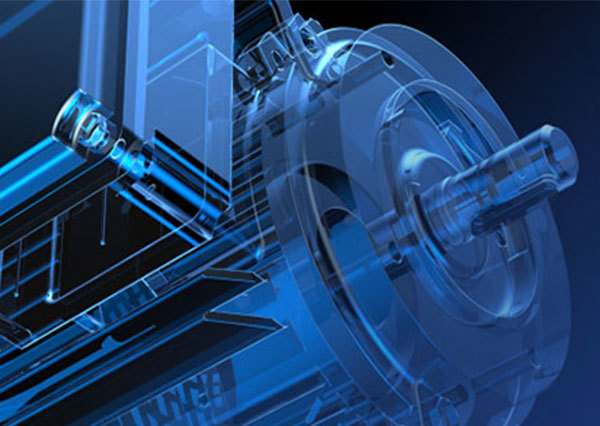
Special-Purpose Motors: Tailoring Solutions for Unique Needs
Jul 11,2026
Special-Purpose Motors: Tailoring Solutions for Unique Needs
Table of Contents
1. Introduction to Special-Purpose Motors
2. Types of Special-Purpose Motors
3. Applications of Special-Purpose Motors
4. Benefits of Using Special-Purpose Motors
5. Innovative Designs in Special-Purpose Motors
6. How to Select the Right Special-Purpose Motor
7. Challenges in Designing Special-Purp
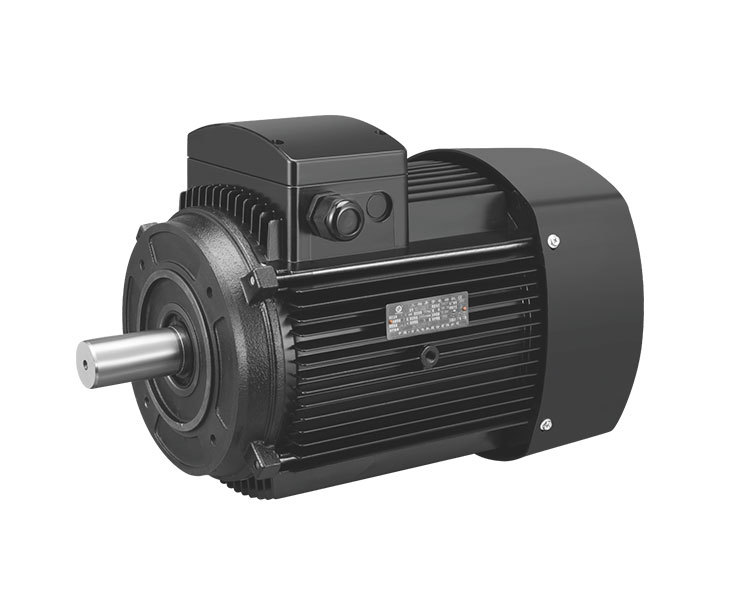
Special-Purpose Motors: Tailoring Solutions for Unique Needs
Table of Contents
- 1. Introduction to Special-Purpose Motors
- 2. Types of Special-Purpose Motors
- 3. Applications of Special-Purpose Motors
- 4. Benefits of Using Special-Purpose Motors
- 5. Innovative Designs in Special-Purpose Motors
- 6. How to Select the Right Special-Purpose Motor
- 7. Challenges in Designing Special-Purpose Motors
- 8. The Future of Special-Purpose Motors
- 9. Frequently Asked Questions
- 10. Conclusion
1. Introduction to Special-Purpose Motors
Special-purpose motors play an essential role in diverse industrial applications, catering to the unique needs of various sectors. Unlike standard motors, these specialized devices are engineered to achieve specific operational requirements, making them indispensable in tasks ranging from precision control to extreme environmental conditions. By understanding the distinct characteristics of special-purpose motors, businesses can harness their capabilities to enhance productivity and efficiency.
2. Types of Special-Purpose Motors
Special-purpose motors come in various types, each tailored to specific applications. Below are some of the most common categories:
2.1. Servo Motors
Servo motors are designed for high precision and control in applications such as robotics and automated manufacturing processes. They utilize feedback mechanisms to ensure accurate positioning and velocity.
2.2. Stepper Motors
Stepper motors are ideal for applications requiring precise control of angular position. They are commonly used in 3D printers and CNC machines due to their ability to move in discrete steps.
2.3. Brushless DC Motors (BLDC)
Brushless DC motors offer higher efficiency and longevity compared to traditional brushed motors. They find applications in electric vehicles and computers, where a lightweight and compact design is crucial.
2.4. Linear Motors
For applications requiring linear motion, linear motors provide a direct drive mechanism, eliminating the need for mechanical linkages. They are often used in conveyor systems and robotics.
2.5. Specialty AC Motors
These motors are designed for specific environments, such as hazardous locations or extreme temperatures. They ensure safety and reliability in critical applications.
3. Applications of Special-Purpose Motors
Special-purpose motors are found in numerous industries, each leveraging their unique capabilities to enhance productivity and operational efficiency.
3.1. Manufacturing and Automation
In manufacturing, special-purpose motors drive robotic arms, conveyor belts, and CNC machines, improving precision and speed. These motors enable automation of repetitive tasks, reducing human error and increasing output.
3.2. Medical Equipment
In the medical field, precision is crucial. Special-purpose motors power devices such as MRI machines and surgical robots, where accuracy and reliability are paramount for patient safety.
3.3. Automotive Industry
The automotive sector employs special-purpose motors in electric vehicles, hybrid systems, and various electronic components. These motors contribute to energy efficiency and performance.
3.4. Aerospace and Defense
In aerospace applications, motors are utilized in navigation systems, drones, and satellites. The rigorous demands of this industry necessitate specialized motors that can operate under extreme conditions.
3.5. HVAC Systems
Heating, ventilation, and air conditioning (HVAC) systems rely on specialized motors for fans, pumps, and compressors. These motors help maintain energy efficiency and environmental control.
4. Benefits of Using Special-Purpose Motors
Employing special-purpose motors offers several advantages that can significantly impact operational effectiveness.
4.1. Enhanced Performance
Special-purpose motors are engineered for specific tasks, which often results in superior performance compared to general-purpose motors. They can handle unique loads and conditions more effectively.
4.2. Increased Efficiency
These motors are often optimized for energy consumption, leading to lower operational costs. Their efficiency translates to reduced energy bills and a smaller carbon footprint.
4.3. Customization
Many manufacturers offer customization options for special-purpose motors, allowing businesses to tailor the motor to their specific needs, including size, power output, and operational environment.
4.4. Reliability and Longevity
Special-purpose motors are designed to function in demanding conditions, often resulting in increased reliability and lifespan. This reduces maintenance costs and downtime.
4.5. Competitive Advantage
Incorporating advanced motor technology provides companies with a competitive edge in their respective markets, enabling them to offer higher quality products and services.
5. Innovative Designs in Special-Purpose Motors
Innovation in the design of special-purpose motors is constant, with manufacturers continuously seeking ways to enhance performance and adaptability.
5.1. Compact Designs
As industries demand more efficient use of space, manufacturers have developed compact motor designs that deliver high performance without occupying excessive room.
5.2. Modular Systems
Modularity allows for easy upgrades and replacements, providing flexibility for businesses to adapt to changing requirements without substantial investments.
5.3. Advanced Cooling Solutions
Innovative cooling technologies are integrated into special-purpose motors to maintain optimal performance under extreme conditions, extending their operational life.
5.4. Smart Technology Integration
The incorporation of IoT (Internet of Things) technology enables real-time monitoring and control of special-purpose motors, providing valuable data for predictive maintenance and operational optimization.
6. How to Select the Right Special-Purpose Motor
Choosing the right special-purpose motor involves several considerations to ensure compatibility with your specific application.
6.1. Define Your Requirements
Begin by outlining the specific needs of your application, including torque, speed, and environmental conditions.
6.2. Consult with Experts
Engaging with motor manufacturers or experts can provide insights into the most suitable options for your needs, including potential customization.
6.3. Consider Lifecycle Costs
Evaluate the total cost of ownership, including initial purchase price, energy consumption, maintenance, and potential downtime.
6.4. Test Prototypes
Whenever possible, testing prototypes in real-world conditions can help identify the best motor for your application before making a full investment.
7. Challenges in Designing Special-Purpose Motors
While special-purpose motors offer numerous advantages, there are challenges in their design that manufacturers must address.
7.1. Customization Complexity
Tailoring motors for specific applications often requires intricate design processes, which can complicate manufacturing and lead to longer lead times.
7.2. Cost Implications
Custom-designed motors can be more expensive than standard options, requiring careful consideration of budget constraints against performance benefits.
7.3. Technological Advancements
Rapid advancements in technology necessitate continuous adaptation in motor design, which can be a challenge for manufacturers striving to keep pace with industry demands.
8. The Future of Special-Purpose Motors
The future of special-purpose motors is bright, with ongoing innovations poised to enhance their capabilities.
8.1. Sustainability Initiatives
As industries focus on sustainability, the development of energy-efficient motors will become increasingly critical, with a focus on reducing environmental impact.
8.2. Enhanced Connectivity
The rise of Industry 4.0 will drive the integration of smart features in special-purpose motors, allowing for more efficient monitoring and control.
8.3. Continued Customization
The trend toward customization will persist, with manufacturers offering more tailored solutions to meet the evolving needs of various industries.
9. Frequently Asked Questions
9.1. What are special-purpose motors?
Special-purpose motors are motors designed for specific applications, providing tailored solutions that cater to unique operational needs.
9.2. How do I choose the right special-purpose motor?
Consider your application requirements, consult with experts, evaluate lifecycle costs, and test prototypes to determine the best motor for your needs.
9.3. What industries use special-purpose motors?
Industries such as manufacturing, medical, automotive, aerospace, and HVAC extensively use special-purpose motors.
9.4. Are special-purpose motors more expensive than standard motors?
Yes, special-purpose motors can be more expensive due to their customization and specialized design. However, their performance benefits often justify the costs.
9.5. How can I ensure the longevity of special-purpose motors?
Regular maintenance, proper installation, and operating within specified parameters can significantly enhance the lifespan of special-purpose motors.
10. Conclusion
In conclusion, special-purpose motors represent a pivotal advancement in the realm of electrical engineering, providing customized solutions that cater to distinct operational needs across various industries. Their unique characteristics offer enhanced performance, efficiency, and reliability, making them indispensable in today's fast-paced technological landscape. As industries continue to evolve, the demand for innovative motor solutions will only grow, driving future advancements that promise to reshape the way we approach motor design and application. By understanding and leveraging the capabilities of special-purpose motors, businesses can position themselves at the forefront of their respective fields, ensuring they meet not just current but also future demands.


Contact
E-mail :
Tel/ WhatsApp:
Address:
Daxi Industrial District, Daxi Town, Wenling City, Zhejiang, China
Daxi Industrial District, Daxi Town, Wenling City, Zhejiang, China
