WELCOME TO FANGDA ELECTRIC MACHINE CO..LTD



Understanding Single-Phase Asynchronous Motors: Key Insights and Applications
Jul 20,2026
Single-phase asynchronous motors, also known as single-phase induction motors, are widely utilized in various applications across the electrical engineering industry, particularly in power generation equipment. These motors operate on the principle of electromagnetic induction, where the rotor is induced to turn by a rotating magnetic field generated by alternating current (AC) flowing through the
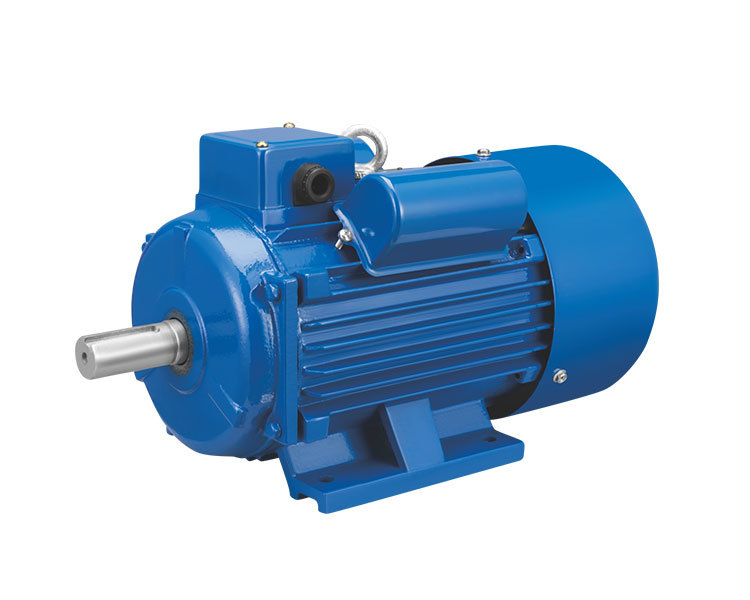
Single-phase asynchronous motors, also known as single-phase induction motors, are widely utilized in various applications across the electrical engineering industry, particularly in power generation equipment. These motors operate on the principle of electromagnetic induction, where the rotor is induced to turn by a rotating magnetic field generated by alternating current (AC) flowing through the stator windings.
The primary characteristic of a single-phase asynchronous motor is that it requires a single-phase AC supply to operate. This makes it ideal for use in residential and light commercial applications, where three-phase power may not be readily available. Common uses include fans, pumps, and small machinery, where the demand for torque and power is relatively low.
One of the significant advantages of single-phase asynchronous motors is their simplicity and robustness. The absence of brushes reduces maintenance requirements, while the construction of the motor allows for reliable operation in various environmental conditions. Additionally, these motors can be designed to run at a constant speed, which is beneficial for applications where precision is vital.
However, the single-phase asynchronous motor does have limitations, particularly in terms of starting torque. Unlike three-phase motors, which can achieve high starting torque with ease, single-phase motors typically require auxiliary starting mechanisms. These mechanisms can include capacitors or centrifugal switches, which help the motor reach operational speed efficiently. Understanding the starting requirements is crucial for professionals involved in motor selection and application design.
In terms of efficiency, single-phase motors generally have lower efficiency compared to their three-phase counterparts. This can be attributed to their design and operational characteristics. Therefore, when selecting a motor for a specific application, it is essential to balance the requirements of efficiency, torque, and power output.
Overall, single-phase asynchronous motors play a vital role in various industries, with their ease of use and reliability making them a popular choice for many applications. For electrical engineers and professionals, understanding the operational principles, advantages, and limitations of these motors is essential for optimizing performance in power generation systems and other related fields. Emphasizing the need for appropriate motor selection can significantly impact the efficiency and effectiveness of any electrical system.
The primary characteristic of a single-phase asynchronous motor is that it requires a single-phase AC supply to operate. This makes it ideal for use in residential and light commercial applications, where three-phase power may not be readily available. Common uses include fans, pumps, and small machinery, where the demand for torque and power is relatively low.
One of the significant advantages of single-phase asynchronous motors is their simplicity and robustness. The absence of brushes reduces maintenance requirements, while the construction of the motor allows for reliable operation in various environmental conditions. Additionally, these motors can be designed to run at a constant speed, which is beneficial for applications where precision is vital.
However, the single-phase asynchronous motor does have limitations, particularly in terms of starting torque. Unlike three-phase motors, which can achieve high starting torque with ease, single-phase motors typically require auxiliary starting mechanisms. These mechanisms can include capacitors or centrifugal switches, which help the motor reach operational speed efficiently. Understanding the starting requirements is crucial for professionals involved in motor selection and application design.
In terms of efficiency, single-phase motors generally have lower efficiency compared to their three-phase counterparts. This can be attributed to their design and operational characteristics. Therefore, when selecting a motor for a specific application, it is essential to balance the requirements of efficiency, torque, and power output.
Overall, single-phase asynchronous motors play a vital role in various industries, with their ease of use and reliability making them a popular choice for many applications. For electrical engineers and professionals, understanding the operational principles, advantages, and limitations of these motors is essential for optimizing performance in power generation systems and other related fields. Emphasizing the need for appropriate motor selection can significantly impact the efficiency and effectiveness of any electrical system.


Contact
E-mail :
Tel/ WhatsApp:
Address:
Daxi Industrial District, Daxi Town, Wenling City, Zhejiang, China
Daxi Industrial District, Daxi Town, Wenling City, Zhejiang, China
