WELCOME TO FANGDA ELECTRIC MACHINE CO..LTD



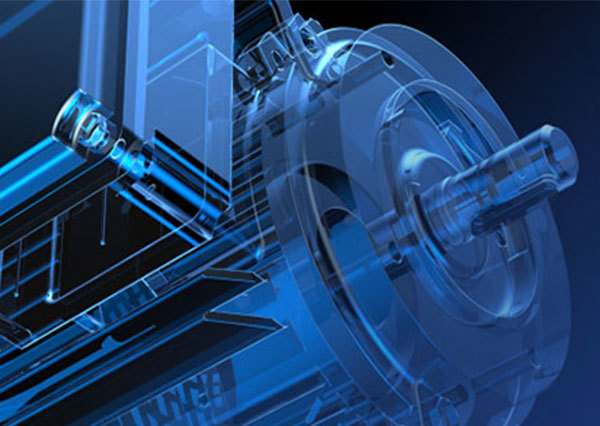
Innovative Designs: The Future of Aluminum Housing Motors in the Electrical Industry
Jul 27,2026
Innovative Designs: The Future of Aluminum Housing Motors in the Electrical Industry
Table of Contents
1. Introduction to Aluminum Housing Motors
2. Benefits of Aluminum Housing in Electric Motors
3. Innovative Designs in Aluminum Housing Motors
4. Applications of Aluminum Housing Motors in Various Industries
5. Sustainability and Environmental Impact
6. Future Trends and
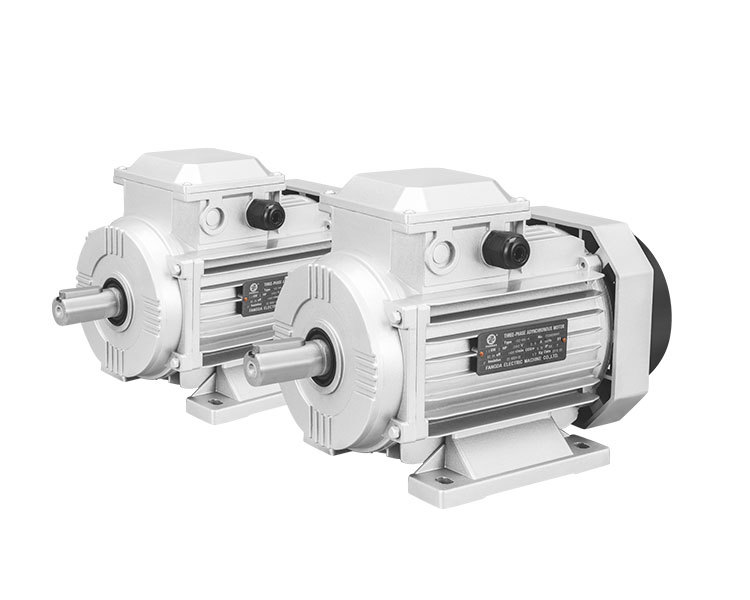
Innovative Designs: The Future of Aluminum Housing Motors in the Electrical Industry
Table of Contents
- 1. Introduction to Aluminum Housing Motors
- 2. Benefits of Aluminum Housing in Electric Motors
- 3. Innovative Designs in Aluminum Housing Motors
- 4. Applications of Aluminum Housing Motors in Various Industries
- 5. Sustainability and Environmental Impact
- 6. Future Trends and Innovations
- 7. Comparative Analysis: Aluminum vs. Other Housing Materials
- 8. FAQs about Aluminum Housing Motors
- 9. Conclusion
1. Introduction to Aluminum Housing Motors
In today's rapidly evolving **electrical industry**, aluminum housing motors are emerging as a pivotal technology. These motors are designed with aluminum casings, which not only enhance their performance but also contribute to their longevity. The versatility of aluminum as a material is driving a new wave of innovation, prompting manufacturers to rethink traditional motor designs. As we delve into the features and advantages of these motors, it's essential to understand how they are reshaping the landscape of electrical machinery.
2. Benefits of Aluminum Housing in Electric Motors
Aluminum housing motors offer a multitude of benefits that make them an attractive choice for various applications. Below, we explore the key advantages:
2.1 Lightweight and Durable
One of the most significant advantages of aluminum is its lightweight nature. Compared to other metals, aluminum provides a strong yet lighter option for motor housing. This lightweight characteristic leads to reduced installation costs and easier transportation. Furthermore, the durability of aluminum ensures resistance to corrosion, extending the life of the motor.
2.2 Enhanced Thermal Conductivity
Aluminum’s excellent thermal conductivity helps dissipate heat more efficiently than many materials. This feature is crucial for electric motors, as it prevents overheating, which can lead to motor failure. The improved heat management system of aluminum housing motors enhances overall performance and reliability.
2.3 Cost-Effectiveness
While initial costs may vary, the long-term savings associated with aluminum housing motors are significant. Their durability translates to lower maintenance costs, and their efficiency can lead to reduced energy consumption. This combination of factors makes aluminum housing motors a cost-effective solution for many businesses.
3. Innovative Designs in Aluminum Housing Motors
Innovative designs are at the forefront of aluminum housing motors’ evolution. Manufacturers are continuously integrating new technologies to enhance performance, efficiency, and usability.
3.1 Modular Designs
Modular designs allow for easy upgrades and repairs. By using aluminum housing, manufacturers can create segments that can be replaced without the need to replace the entire motor. This approach not only minimizes downtime but also promotes sustainability by reducing waste.
3.2 Integrated Smart Technology
The future of aluminum housing motors lies in smart technology integration. With the growing trend of the Internet of Things (IoT), manufacturers are designing motors equipped with sensors that can monitor performance in real-time. This technology facilitates predictive maintenance, increasing operational efficiency.
3.3 Customizable Solutions
Customization is key in modern manufacturing. Aluminum housing motors can be tailored to meet specific requirements of various applications, enabling businesses to achieve optimal performance while addressing unique challenges. This flexibility makes them suitable for a wide range of industries.
4. Applications of Aluminum Housing Motors in Various Industries
Aluminum housing motors are versatile and find applications in numerous sectors.
4.1 Manufacturing and Automation
In manufacturing, aluminum housing motors are essential components of automation systems. Their durability and efficiency make them ideal for conveyor systems, robotics, and other machinery that requires reliable performance.
4.2 Renewable Energy Sector
The renewable energy sector, particularly wind and solar energy, benefits significantly from aluminum housing motors. These motors can withstand harsh environmental conditions while providing the reliability necessary for renewable energy systems.
4.3 HVAC Systems
Heating, ventilation, and air conditioning (HVAC) systems utilize aluminum housing motors for their efficiency and lightweight properties. These motors help maintain air quality and temperature control in residential and commercial buildings.
5. Sustainability and Environmental Impact
Sustainability is a critical consideration in the electrical industry. Aluminum housing motors present several environmental benefits.
5.1 Recyclability
Aluminum is one of the most recyclable materials available. The recyclability of aluminum housing motors contributes to a more sustainable manufacturing process and reduces waste.
5.2 Energy Efficiency
The energy efficiency of aluminum housing motors leads to reduced electricity consumption, further minimizing their environmental impact. As industries strive to meet sustainability goals, these motors play an essential role.
6. Future Trends and Innovations
The future of aluminum housing motors is promising, driven by ongoing research and technological advancements.
6.1 Advances in Material Science
Researchers are exploring new aluminum alloys that enhance the performance and durability of housing motors. These advancements will likely lead to even lighter, stronger, and more efficient motor designs.
6.2 Automation and AI Integration
As automation becomes increasingly prevalent, the integration of artificial intelligence in aluminum housing motors can enable smarter, more efficient systems. AI can optimize performance, predict maintenance needs, and enhance operational efficiency.
7. Comparative Analysis: Aluminum vs. Other Housing Materials
To fully appreciate the benefits of aluminum housing motors, it's essential to compare them with motors made from other materials such as steel and plastic.
7.1 Aluminum vs. Steel
Steel offers excellent strength but is heavier and prone to rusting. In contrast, aluminum's lightweight and corrosion-resistant properties make it more suitable for applications requiring mobility and efficiency.
7.2 Aluminum vs. Plastic
While plastic is lightweight and resistant to corrosion, it does not offer the same level of thermal conductivity and durability as aluminum. Aluminum housing motors provide better heat dissipation, ensuring longer operational life.
8. FAQs about Aluminum Housing Motors
8.1 What are aluminum housing motors?
Aluminum housing motors are electric motors designed with aluminum casings that enhance durability, thermal conductivity, and overall efficiency.
8.2 What are the advantages of using aluminum housing?
The advantages include lightweight construction, improved heat dissipation, cost-effectiveness, and resistance to corrosion.
8.3 In which industries are aluminum housing motors commonly used?
They are used in manufacturing, renewable energy, HVAC systems, and many other sectors requiring reliable electric motor performance.
8.4 How do aluminum housing motors contribute to sustainability?
They are recyclable, energy-efficient, and reduce waste, contributing to a more sustainable manufacturing process.
8.5 What future trends can we expect for aluminum housing motors?
Expect advancements in material science, smart technology integration, and increased automation in the design and use of aluminum housing motors.
9. Conclusion
The **future of aluminum housing motors** in the electrical industry looks bright, characterized by innovative designs and enhanced performance. As manufacturers continue to adopt these advancements, businesses across various sectors can expect improved efficiency, lower operating costs, and a reduced environmental footprint. Embracing aluminum housing motors not only aligns with sustainability goals but also positions organizations at the forefront of technology-driven innovation. As we move forward, staying abreast of these developments will be crucial for industry leaders aiming to maintain a competitive edge in an increasingly dynamic market.
Contact
E-mail :
Tel/ WhatsApp:
Address:
Daxi Industrial District, Daxi Town, Wenling City, Zhejiang, China
Daxi Industrial District, Daxi Town, Wenling City, Zhejiang, China
