WELCOME TO FANGDA ELECTRIC MACHINE CO..LTD



Essential Maintenance Tips for Extending the Lifespan of Your Single-Phase Asynchronous Motor
Jul 31,2026
Essential Maintenance Tips for Extending the Lifespan of Your Single-Phase Asynchronous Motor
Table of Contents
1. Understanding Single-Phase Asynchronous Motors
2. Importance of Regular Maintenance
3. Daily Maintenance Tasks for Your Motor
4. Monthly and Quarterly Maintenance Checks
5. Troubleshooting Common Issues with Single-Phase Asynchronous Motors
6. Best Practices for Motor Storage and Operation
7. Signs Your Motor Needs Professional Attention
8. Frequently Asked Questions (FAQs)
9. Conclusion
1. Understanding Single-Phase Asynchronous Motors
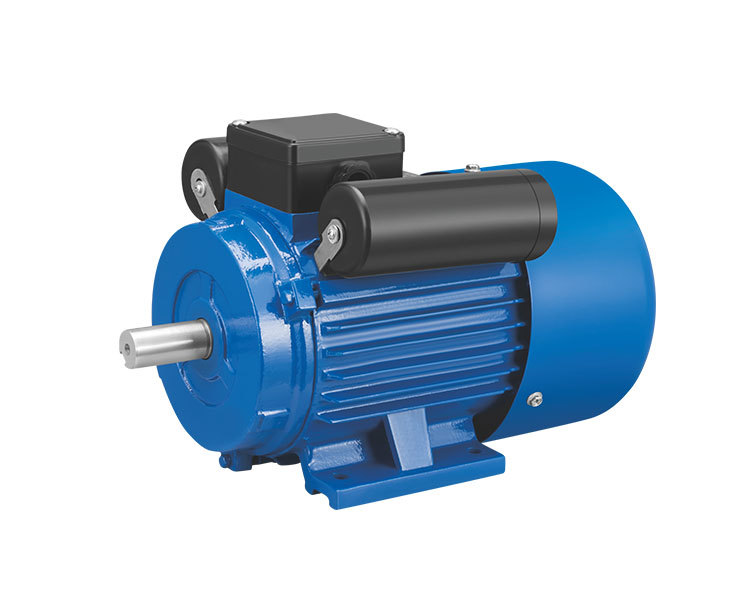
Single-phase asynchronous motors are widely utilized in various applications, primarily due to their simplicity and efficiency. These motors operate on a single-phase supply and are characterized by their ability to start under low load conditions. Understanding their functionality is crucial for effective maintenance and longevity. They rely on electromagnetic induction, which makes them an economical choice for everyday applications such as fans, pumps, and small machinery.
2. Importance of Regular Maintenance
Regular maintenance is essential to ensure that your single-phase asynchronous motor operates efficiently and remains in good condition. Neglecting maintenance can lead to premature wear, decreased performance, and even failure. By investing time in upkeep, you can significantly extend the motor's lifespan, reduce downtime, and avoid costly repairs.
Benefits of Routine Maintenance
- Increased Efficiency: Regular checks help maintain the motor’s efficiency, reducing energy consumption.
- Prolonged Lifespan: Timely maintenance prevents issues that can lead to motor failure.
- Reduced Operational Costs: Early detection of problems can save money on repairs and replacements.
- Enhanced Safety: Proper maintenance minimizes the risk of malfunctions that could pose safety hazards.
3. Daily Maintenance Tasks for Your Motor
Daily maintenance tasks are simple yet vital for keeping your single-phase asynchronous motor in optimal condition. Here are essential daily checks:
3.1 Visual Inspection
Conduct a thorough visual inspection of the motor before starting it each day. Look for any signs of damage, wear, or leaks. Ensure that the motor is clean and free from any debris that can obstruct ventilation or cooling.
3.2 Listen for Unusual Noises
When operating your motor, pay close attention to any unusual sounds. Grinding, humming, or rattling noises can indicate underlying issues that may require immediate attention.
3.3 Check Connections and Wiring
Inspect electrical connections and wiring for signs of wear or loose connections. Ensure that all terminals are secure and free from corrosion.
4. Monthly and Quarterly Maintenance Checks
In addition to daily tasks, monthly and quarterly maintenance checks are necessary for a comprehensive maintenance routine.
4.1 Lubrication
Monthly lubrication of bearings and moving parts is crucial. Use the correct type of lubricant as specified by the manufacturer to ensure smooth operation.
4.2 Cleaning the Motor
Dust and debris can accumulate in the motor over time, impacting performance. Perform a thorough cleaning of the exterior and interior components, ensuring that ventilation pathways are unobstructed.
4.3 Electrical Inspections
Conduct electrical inspections every quarter to assess insulation resistance and overall electrical integrity. Use a megohmmeter to check for insulation breakdown.
5. Troubleshooting Common Issues with Single-Phase Asynchronous Motors
Understanding common issues can help you quickly troubleshoot problems before they escalate.
5.1 Overheating
Overheating is a common issue that can damage the motor. This can be caused by insufficient ventilation, overloading, or bearing failure. Regularly check cooling fans and ensure that the motor is not overloaded beyond its rated capacity.
5.2 Starting Issues
If the motor struggles or fails to start, check for power supply issues, tripped circuit breakers, or faulty capacitors. Ensure that the starting circuitry is functioning correctly.
5.3 Vibration Problems
Excessive vibrations can indicate misalignment or imbalance. Regularly inspect the mounting and alignment of the motor to ensure it is securely fastened and properly aligned with the connected equipment.
6. Best Practices for Motor Storage and Operation
Proper storage and operation practices are critical for maintaining your single-phase asynchronous motor.
6.1 Storage Conditions
When not in use, store the motor in a clean, dry environment to prevent corrosion and moisture damage. Cover the motor to protect it from dust and debris.
6.2 Operating Environment
Ensure that the motor operates in an environment within the recommended temperature and humidity ranges. Avoid exposure to harsh chemicals or extreme conditions that could compromise the motor's integrity.
7. Signs Your Motor Needs Professional Attention
Being aware of signs that indicate a need for professional maintenance can save you time and expenses in the long run.
7.1 Persistent Overheating
If your motor continues to overheat despite routine maintenance, it may indicate a serious underlying issue that requires professional evaluation.
7.2 Frequent Breakdowns
Regular and unexpected breakdowns may signal deeper electrical or mechanical problems. Consult a technician for a comprehensive inspection.
7.3 Decreased Performance
A noticeable drop in performance, such as reduced speed or torque, can indicate wear that necessitates professional intervention.
8. Frequently Asked Questions (FAQs)
8.1 What is the average lifespan of a single-phase asynchronous motor?
The average lifespan can vary greatly depending on usage and maintenance, but typically ranges from 10 to 20 years with proper care.
8.2 How often should I lubricate my motor?
Lubrication should occur monthly, or as recommended by the manufacturer, to ensure optimal performance.
8.3 Can I repair my motor myself?
Simple tasks like inspection and lubrication can be done yourself, but complex repairs should be left to professionals to avoid further damage.
8.4 What causes motor overheating?
Common causes include insufficient ventilation, overload conditions, or mechanical failure. Regular checks can help identify potential issues before they escalate.
8.5 How do I know if my motor needs replacing?
If your motor consistently shows performance issues despite maintenance or incurs significant mechanical damage, it may be more cost-effective to replace it rather than repair it.
9. Conclusion
Maintaining your single-phase asynchronous motor is crucial for its longevity and efficiency. By implementing regular inspections, performing necessary maintenance, troubleshooting problems promptly, and adhering to best practices, you can significantly enhance the performance and lifespan of your motor. Remember that proactive maintenance not only saves money but also contributes to a safer and more efficient operational environment. Stay diligent, and your motor will serve you well for years to come.

Contact
E-mail :
Tel/ WhatsApp:
Address:
Daxi Industrial District, Daxi Town, Wenling City, Zhejiang, China
Daxi Industrial District, Daxi Town, Wenling City, Zhejiang, China
