WELCOME TO FANGDA ELECTRIC MACHINE CO..LTD



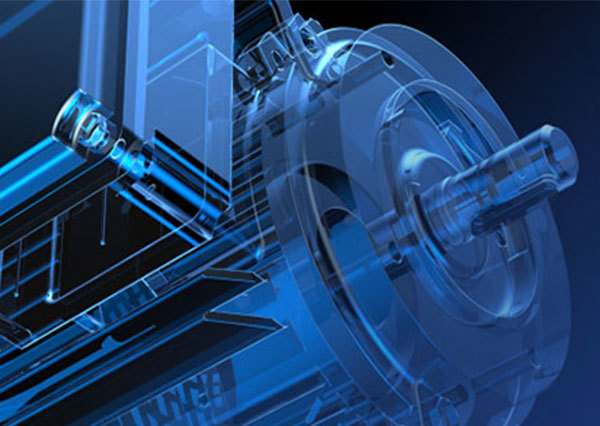
Understanding the Mechanics Behind Special-Purpose Motors: A Comprehensive Guide
Aug 08,2026
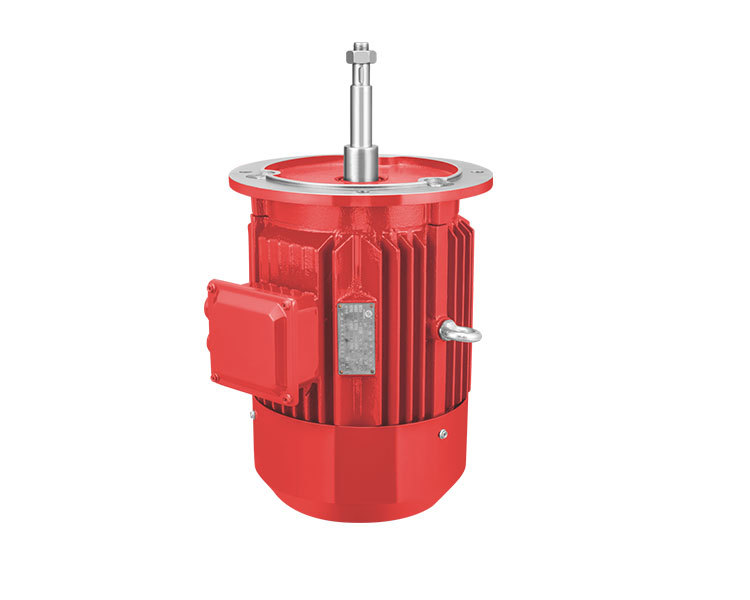
Understanding the Mechanics Behind Special-Purpose Motors
In today’s technologically advanced world, special-purpose motors play a pivotal role in various sectors, from manufacturing to renewable energy. These motors are designed for specific applications, offering tailored performance that generic motors cannot match. This article provides a deep dive into the mechanics behind special-purpose motors, helping you understand their design, functionality, and applications. By the end, you will have a comprehensive understanding of how these motors operate and their significance in today's electrical and mechanical systems.
Table of Contents
- What Are Special-Purpose Motors?
- Types of Special-Purpose Motors
- Mechanical Design and Construction
- Operational Principles of Special-Purpose Motors
- Applications of Special-Purpose Motors
- Advantages and Disadvantages
- Maintenance and Care for Special-Purpose Motors
- Future Trends in Special-Purpose Motors
- Conclusion
- Frequently Asked Questions
What Are Special-Purpose Motors?
Special-purpose motors are tailored electrical machines built to perform specific tasks that general-purpose motors cannot efficiently handle. While standard motors are designed for a broad range of applications, special-purpose motors are optimized for particular operational requirements, resulting in enhanced performance, efficiency, and reliability. These motors are essential in industries that demand precise control, high torque at low speeds, or specific motion profiles.
Types of Special-Purpose Motors
Understanding the different types of special-purpose motors can help engineers and technicians select the right motor for their applications. Below are some of the most commonly used special-purpose motors:
Stepper Motors
Stepper motors are a type of DC motor that divides a full rotation into a large number of steps. This precise control makes them ideal for applications requiring accurate positioning, such as 3D printers and CNC machines. They operate by energizing coils in a sequence, allowing the rotor to move in discrete steps, resulting in high precision.
Servo Motors
Servo motors are highly specialized motors used for precise control of angular or linear position, velocity, and acceleration. They typically incorporate feedback systems to ensure that the motor reaches its desired position accurately and quickly. Applications for servo motors include robotics, conveyor systems, and automated manufacturing processes.
Synchronous Motors
Synchronous motors are designed to operate at a constant speed, synchronized with the supply frequency. These motors are widely used in applications where precise speed control is essential, such as in power generation and large industrial processes. They require an external power source for excitation, which distinguishes them from induction motors.
Induction Motors
Induction motors are commonly used for industrial and commercial applications due to their simplicity and reliability. They operate by inducing current in the rotor through the stator's magnetic field. This type of motor is particularly effective for applications that require high starting torque and robust performance, such as pumps and compressors.
Mechanical Design and Construction
The mechanical design of special-purpose motors varies significantly based on their intended application and performance requirements. Key components include the rotor, stator, windings, and housing. The rotor’s design can be particularly complex, especially in stepper and servo motors, where it must facilitate precise movement.
Moreover, the materials used in constructing these motors play a crucial role in determining their efficiency and durability. High-quality alloys and composites are often selected for their magnetic properties and resistance to wear. The overall construction also considers factors such as heat dissipation, electromagnetic interference, and environmental protection.
Operational Principles of Special-Purpose Motors
Understanding operational principles is essential for anyone working with special-purpose motors. The principles guiding these motors vary based on their types. For instance, stepper motors operate on the principle of electromagnetic induction, moving in defined steps based on the sequence of electrical impulses. Conversely, servo motors utilize feedback mechanisms to adjust their position in response to external commands.
Induction motors rely on the principle of electromagnetic induction as well; the rotor is induced to rotate by the stator’s rotating magnetic field. Synchronous motors, on the other hand, maintain speed synchronization with the power supply frequency, making them a preferred choice for applications requiring constant speed.
Applications of Special-Purpose Motors
Special-purpose motors find applications across various industries, each leveraging their unique capabilities. Some notable applications include:
- Robotics: Servo motors are crucial in robotic arms where precision and control are paramount.
- Manufacturing: Stepper motors are widely used in CNC machines for precise cutting and shaping processes.
- Automated Control Systems: Synchronous motors are often employed in conveyor systems that require synchronized operations.
- Consumer Electronics: Induction motors power household appliances like washing machines and refrigerators due to their robustness.
Advantages and Disadvantages
Each type of special-purpose motor comes with its own set of advantages and disadvantages that should be considered when selecting the right motor for an application.
Advantages
- Precision: Motors like stepper and servo motors offer high levels of accuracy, essential for many applications.
- Efficiency: Many special-purpose motors operate more efficiently than standard motors, resulting in energy savings.
- Customization: These motors can be tailored to meet specific operational requirements, enhancing performance.
Disadvantages
- Cost: Special-purpose motors can be more expensive than general-purpose motors due to their complex designs and materials.
- Complexity: The advanced technology and control systems may require specialized knowledge for operation and maintenance.
- Limited Applications: Some motors are designed for very specific applications, which may limit their versatility.
Maintenance and Care for Special-Purpose Motors
Proper maintenance is critical for ensuring the longevity and performance of special-purpose motors. Regular inspection, cleaning, and lubrication are essential practices that should be followed. Additionally, monitoring electrical connections and ensuring that the motor operates within its specified parameters can prevent premature failures.
For stepper and servo motors, it’s important to calibrate the systems periodically to maintain precision. Keeping the motors free from dust and contaminants will also contribute to optimal performance and reliability.
Future Trends in Special-Purpose Motors
The future of special-purpose motors is promising, with advancements in materials, technology, and design reshaping their capabilities. Innovations such as smart motors equipped with IoT technology are emerging, allowing for real-time monitoring and control. This trend enhances operational efficiency and opens new avenues for automation and predictive maintenance.
Furthermore, the push for sustainable and energy-efficient technologies is driving the development of motors that minimize energy consumption while maximizing output. These trends are likely to revolutionize industries, making special-purpose motors even more integral to modern engineering solutions.
Conclusion
Understanding the mechanics behind special-purpose motors is essential for professionals in various industries. These motors, with their tailored designs and operational principles, offer unique advantages that can significantly enhance performance in specialized applications. As technology continues to evolve, staying abreast of advancements in motor design and functionality will be vital for leveraging their full potential. Investing in knowledge about special-purpose motors not only enhances operational efficiency but also positions industries to embrace future innovations.
Frequently Asked Questions
1. What is the main difference between a general-purpose motor and a special-purpose motor?
General-purpose motors are designed for a wide range of applications, while special-purpose motors are optimized for specific tasks, offering enhanced performance and efficiency in those areas.
2. Can special-purpose motors be used in residential applications?
Yes, special-purpose motors, such as induction motors, are commonly used in household appliances and can enhance efficiency in residential applications.
3. How can I determine which special-purpose motor is right for my application?
Assess the specific requirements of your application, such as torque, speed, precision, and environmental conditions, to select the appropriate motor type.
4. Are special-purpose motors more expensive than standard motors?
Generally, yes. Special-purpose motors often come with higher costs due to their advanced designs and specialized features.
5. What maintenance practices are recommended for special-purpose motors?
Regular inspection, cleaning, lubrication, and calibration are essential for maintaining the performance and longevity of special-purpose motors.


Contact
E-mail :
Tel/ WhatsApp:
Address:
Daxi Industrial District, Daxi Town, Wenling City, Zhejiang, China
Daxi Industrial District, Daxi Town, Wenling City, Zhejiang, China
