WELCOME TO FANGDA ELECTRIC MACHINE CO..LTD



Aluminum Housing Motors vs. Traditional Motors: Which is Best for Generators?
Aug 18,2026
Aluminum Housing Motors vs. Traditional Motors: Which is Best for Generators?
Table of Contents
1. Introduction
2. Understanding Different Motor Types
2.1 Traditional Motors
2.2 Aluminum Housing Motors
3. Advantages of Aluminum Housing Motors
4. Disadvantages of Aluminum Housing Motors
5. Advantages of Traditional Motors
6. Disadva
Aluminum Housing Motors vs. Traditional Motors: Which is Best for Generators?
Table of Contents
- 1. Introduction
- 2. Understanding Different Motor Types
- 3. Advantages of Aluminum Housing Motors
- 4. Disadvantages of Aluminum Housing Motors
- 5. Advantages of Traditional Motors
- 6. Disadvantages of Traditional Motors
- 7. Performance Comparison: Aluminum vs. Traditional Motors
- 8. Best Applications for Each Motor Type
- 9. Conclusion
- 10. Frequently Asked Questions
1. Introduction
In the world of generators, the choice of motor can significantly impact performance, efficiency, and durability. As we delve into the comparison between **aluminum housing motors** and **traditional motors**, it becomes evident that understanding the nuances of each is crucial for making an educated decision. This article aims to provide a comprehensive analysis that highlights the features, benefits, and limitations of both motor types, ensuring you can select the best option for your power generation needs.
2. Understanding Different Motor Types
When selecting a motor for generators, it’s essential to recognize the distinctions between aluminum housing motors and traditional motors. Each type possesses unique characteristics that influence their applicability in various scenarios.
2.1 Traditional Motors
**Traditional motors**, typically composed of cast iron or steel, have long been the backbone of generator technology. Known for their robustness, they excel in providing consistent power output. However, they may suffer from certain drawbacks, including weight and susceptibility to rust.
2.2 Aluminum Housing Motors
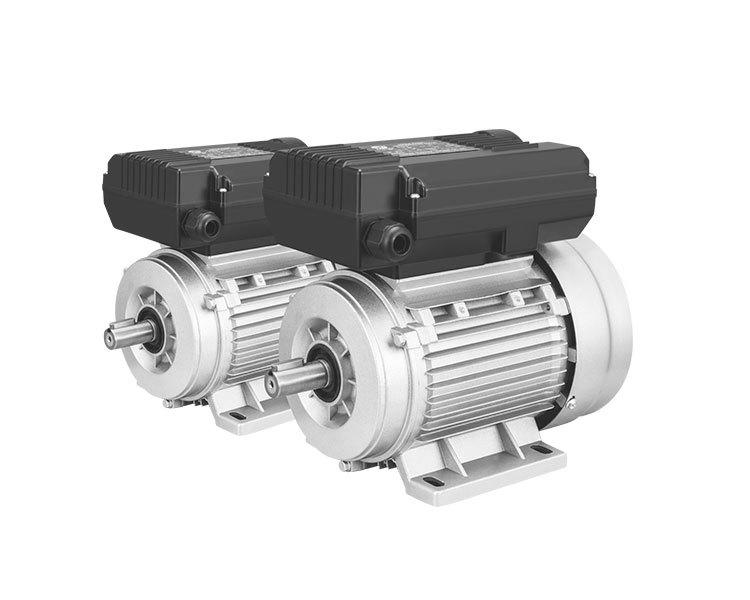
In contrast, **aluminum housing motors** have emerged as a modern alternative, featuring lightweight construction and enhanced resistance to corrosion. This innovation has brought forth a new era in generator technology, appealing to industries that prioritize efficiency and mobility.
3. Advantages of Aluminum Housing Motors
Aluminum housing motors offer several compelling advantages, making them a preferred choice in specific applications.
3.1 Weight and Portability
One of the primary benefits of aluminum housing motors is their lightweight design. This feature significantly enhances **portability**, allowing for easier installation and transport of generators, especially in remote locations.
3.2 Corrosion Resistance
Aluminum naturally resists corrosion, making aluminum housing motors ideal for environments that expose machinery to moisture and harsh conditions. This durability prolongs the motor's lifespan and reduces maintenance costs.
3.3 Thermal Conductivity
Aluminum has superior thermal conductivity compared to traditional materials. This property aids in effective heat dissipation, ensuring that the motor operates at optimal temperatures, thereby enhancing overall efficiency.
3.4 Cost-Effectiveness
While the initial investment might be comparable, the long-term savings associated with maintenance and durability can make aluminum housing motors a cost-effective choice for many users.
4. Disadvantages of Aluminum Housing Motors
Despite their benefits, aluminum housing motors come with certain limitations:
4.1 Mechanical Strength
While aluminum is robust, it may not match the mechanical strength of iron or steel in high-stress environments. This can be a concern in applications requiring high torque or power.
4.2 Higher Thermal Expansion
Aluminum's thermal expansion can lead to dimensional changes under varying temperatures. This characteristic may affect the motor's operational integrity over time.
5. Advantages of Traditional Motors
Traditional motors have stood the test of time and continue to offer several advantages:
5.1 Superior Mechanical Strength
Constructed from cast iron or steel, traditional motors boast superior mechanical strength. This makes them ideal for heavy-duty applications where durability is crucial.
5.2 Performance in Extreme Conditions
Traditional motors tend to perform better in extreme environmental conditions. Their robust construction allows them to withstand harsh weather and demanding operational circumstances.
5.3 Well-Established Technology
With decades of use and development, traditional motors have a well-established performance record. Their reliability is a critical factor for industries that prioritize continuity of operations.
6. Disadvantages of Traditional Motors
However, traditional motors are not without their drawbacks:
6.1 Weight and Bulkiness
Traditional motors are typically heavier and bulkier than their aluminum counterparts. This can pose challenges during transportation and installation, particularly in remote areas.
6.2 Susceptibility to Corrosion
The materials used in traditional motors are more prone to rust and corrosion, especially in damp environments, leading to increased maintenance needs.
7. Performance Comparison: Aluminum vs. Traditional Motors
When evaluating the performance of aluminum housing motors versus traditional motors, several key factors come into play:
7.1 Efficiency
Aluminum housing motors often demonstrate higher energy efficiency due to their lightweight construction and effective thermal management. This translates into reduced operating costs over time.
7.2 Power Output
Traditional motors may outperform aluminum housing motors in terms of sheer power output, particularly in heavy-duty applications where torque is paramount.
7.3 Maintenance Requirements
Due to their corrosion resistance, aluminum housing motors generally require less frequent maintenance, while traditional motors may incur higher long-term upkeep costs.
8. Best Applications for Each Motor Type
Understanding the best application for each motor type can further inform your decision-making process:
8.1 Best Applications for Aluminum Housing Motors
- **Portable Generators**: Ideal for construction sites or outdoor events where mobility is crucial.
- **Marine Applications**: Their corrosion resistance makes them suitable for use in boats and other marine vessels.
- **Renewable Energy Systems**: Often used in solar or wind energy applications due to their efficiency.
8.2 Best Applications for Traditional Motors
- **Industrial Machinery**: Perfect for heavy-duty machinery that requires substantial torque and power output.
- **Fixed Installations**: Well-suited for applications in stable environments where weight is not a concern.
- **Power Generation in Harsh Conditions**: Reliable for operations in extreme weather or demanding environments.
9. Conclusion
Choosing between aluminum housing motors and traditional motors for generators ultimately depends on the specific requirements of your application. While aluminum housing motors offer advantages such as portability, corrosion resistance, and cost-effectiveness, traditional motors provide unparalleled mechanical strength and reliability in demanding environments. Understanding these distinctions allows you to make an informed decision that aligns with your power generation needs, ensuring optimal performance and efficiency for your operations.
10. Frequently Asked Questions
FAQ 1: What is the primary advantage of aluminum housing motors?
The primary advantage of aluminum housing motors is their lightweight design, which enhances portability and ease of installation, especially in remote locations.
FAQ 2: Are traditional motors more durable than aluminum housing motors?
Yes, traditional motors, typically made of cast iron or steel, exhibit superior mechanical strength and durability, making them ideal for heavy-duty applications.
FAQ 3: How do aluminum housing motors perform in extreme temperatures?
Aluminum housing motors may experience dimensional changes due to thermal expansion in extreme temperatures. However, they excel in heat dissipation, which can enhance overall efficiency.
FAQ 4: Can aluminum housing motors be used in marine applications?
Yes, aluminum housing motors are well-suited for marine applications due to their excellent corrosion resistance.
FAQ 5: Which motor type is more cost-effective in the long run?
Aluminum housing motors often prove more cost-effective in the long run due to lower maintenance and operational costs, despite comparable initial investments.


Contact
E-mail :
Tel/ WhatsApp:
Address:
Daxi Industrial District, Daxi Town, Wenling City, Zhejiang, China
Daxi Industrial District, Daxi Town, Wenling City, Zhejiang, China
