WELCOME TO FANGDA ELECTRIC MACHINE CO..LTD



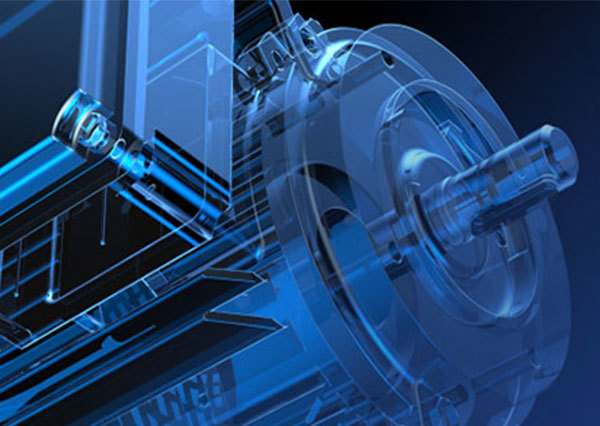
Understanding the Performance Metrics of Single-Phase Asynchronous Motors: A Comprehensive Guide
Aug 22,2026
Understanding the Performance Metrics of Single-Phase Asynchronous Motors
Single-phase asynchronous motors are a vital component in various industrial and residential applications. Characterized by their simplicity and efficiency, they remain a preferred choice for many electrical applications. This article aims to provide a comprehensive understanding of the performance metrics associated with si
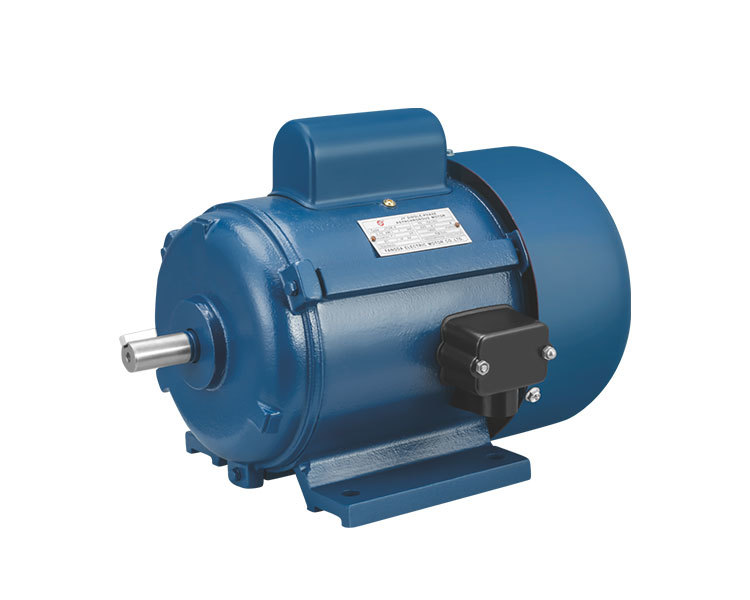
Understanding the Performance Metrics of Single-Phase Asynchronous Motors
Single-phase asynchronous motors are a vital component in various industrial and residential applications. Characterized by their simplicity and efficiency, they remain a preferred choice for many electrical applications. This article aims to provide a comprehensive understanding of the performance metrics associated with single-phase asynchronous motors, allowing you to enhance your operational efficiency and technical knowledge.
Table of Contents
- Introduction to Single-Phase Asynchronous Motors
- Operational Principles of Single-Phase Asynchronous Motors
- Key Performance Metrics of Single-Phase Asynchronous Motors
- Applications of Single-Phase Asynchronous Motors
- Advantages and Disadvantages
- Maintenance Practices for Longevity
- Future Trends in Single-Phase Asynchronous Motors
- Conclusion
- FAQs
Introduction to Single-Phase Asynchronous Motors
Single-phase asynchronous motors are widely used in various applications, from household appliances to industrial machinery. Their design is relatively straightforward, consisting of a stator and a rotor, where the stator generates a rotating magnetic field. These motors can operate on a single-phase power supply, making them versatile and efficient for many uses. Understanding their performance metrics is crucial for optimizing their efficiency and selecting the right motor for specific applications.
Operational Principles of Single-Phase Asynchronous Motors
The fundamental operation of single-phase asynchronous motors revolves around electromagnetic induction. The stator winding is energized with alternating current, creating a magnetic field that interacts with the rotor. Unlike three-phase motors, single-phase motors rely on a starting mechanism to create a rotating magnetic field, which is critical for initiating rotor movement. The most common starting methods include capacitor start and shaded pole motors, each offering different advantages based on application requirements.
Key Performance Metrics of Single-Phase Asynchronous Motors
To effectively evaluate the performance of single-phase asynchronous motors, it is essential to analyze several key performance metrics. These metrics not only define the motor's efficiency but also its applicability in various settings.
Efficiency
**Efficiency** is a critical performance metric for any motor. It is defined as the ratio of mechanical power output to the electrical power input. In single-phase asynchronous motors, efficiency can vary significantly based on load conditions, design, and operational parameters. Typically, efficient motors can achieve efficiency ratings exceeding 85%, but this can drop under varying load conditions. Understanding the efficiency curves helps in selecting the right motor for a specific application and can lead to significant energy savings.
Torque-Speed Characteristics
The **torque-speed characteristics** of a motor describe how the torque produced varies with the speed of the motor. In single-phase asynchronous motors, the relationship is typically nonlinear. At low speeds, torque can increase rapidly, but as the speed approaches the synchronous speed, the torque diminishes. Understanding these characteristics is vital when selecting a motor for applications requiring specific torque profiles, such as fans, pumps, and conveyor systems.
Starting Current
**Starting current** is another critical performance metric, referring to the initial surge of current required when the motor starts. Single-phase motors generally exhibit a high starting current, which can be several times the rated current. This characteristic can lead to voltage drops in the electrical supply and may require consideration of the motor's impact on the overall electrical system. Proper sizing and circuit design can mitigate these effects.
Power Factor
**Power factor** is a measure of how effectively the current is being converted into useful work. For single-phase asynchronous motors, the power factor is typically less than one, indicating that not all the electrical power contributes to useful work. A low power factor can lead to increased energy costs and may require corrective measures, such as power factor correction capacitors, to improve overall system efficiency.
Thermal Performance
**Thermal performance** refers to the motor's ability to dissipate heat generated during operation. Excessive heat can lead to insulation failure and premature motor burnout. It is crucial to evaluate the thermal performance of single-phase asynchronous motors, especially in applications with continuous operation. Ensuring adequate ventilation and using motors rated for higher ambient temperatures can help extend the lifespan of the motor.
Applications of Single-Phase Asynchronous Motors
Single-phase asynchronous motors are utilized in a wide range of applications, including:
- **Household Appliances**: Such as washing machines, refrigerators, and air conditioners, where single-phase power is readily available.
- **HVAC Systems**: In fans and compressors where efficient operation is crucial.
- **Pumps**: For circulating fluids in residential and agricultural applications.
- **Industrial Equipment**: In conveyor systems and packaging machines that require reliable and consistent operation.
Understanding the specific application requirements helps in selecting the appropriate single-phase motor for optimized performance.
Advantages and Disadvantages
Each technology comes with its set of advantages and disadvantages.
**Advantages**:
- **Simplicity**: Single-phase asynchronous motors are simpler in design, making them easier to maintain and repair.
- **Cost-Effective**: Generally, they are less expensive than three-phase motors, especially for low-power applications.
- **Widely Available**: They are readily available and commonly used across various sectors.
**Disadvantages**:
- **Lower Efficiency**: Compared to their three-phase counterparts, single-phase motors may have lower efficiency ratings.
- **Starting Torque**: They often have lower starting torque, making them less suitable for high-load applications without additional starting mechanisms.
- **Higher Starting Current**: The initial surge current can be a concern regarding electrical load and infrastructure.
Maintenance Practices for Longevity
Proper maintenance is essential to ensure the longevity and efficiency of single-phase asynchronous motors. Here are some critical maintenance practices:
1. **Regular Inspections**: Periodic checks for signs of wear, overheating, or unusual noises can help catch problems early.
2. **Cleaning**: Keeping the motor clean from dust and debris can prevent overheating and ensure efficient operation.
3. **Lubrication**: Regular lubrication of bearings and other moving parts helps reduce friction and wear.
4. **Electrical Checks**: Monitoring electrical connections and insulation integrity can prevent failures and ensure safe operation.
Future Trends in Single-Phase Asynchronous Motors
As technology evolves, so does the design and application of single-phase asynchronous motors. Emerging trends include:
- **Smart Motors**: Integration of IoT capabilities to monitor performance and efficiency in real time.
- **Energy-Efficient Designs**: Innovations aimed at improving efficiency and reducing energy consumption in line with global sustainability goals.
- **Advanced Materials**: The use of new materials that enhance performance and durability, particularly in high-temperature applications.
These trends indicate a promising future for single-phase asynchronous motors, with continued improvements in performance and efficiency.
Conclusion
Understanding the performance metrics of single-phase asynchronous motors is crucial for selecting and optimizing these essential components in various applications. By focusing on metrics such as efficiency, torque-speed characteristics, starting current, power factor, and thermal performance, users can make informed decisions that improve operational efficiency and reduce costs. With proper maintenance and attention to emerging trends, the longevity and performance of single-phase asynchronous motors can be significantly enhanced.
FAQs
**1. What is a single-phase asynchronous motor?**
A single-phase asynchronous motor is an electric motor that operates on a single-phase power supply, commonly used in household and light industrial applications.
**2. How does a single-phase asynchronous motor start?**
These motors typically use a starting mechanism, such as a capacitor or shaded pole, to create a rotating magnetic field needed for initial movement.
**3. What are the common applications for single-phase asynchronous motors?**
They are used in various applications, including household appliances, HVAC systems, pumps, and light industrial machinery.
**4. Why is efficiency important in single-phase asynchronous motors?**
Efficiency is crucial as it affects energy consumption, operational costs, and overall performance in applications.
**5. How can I maintain my single-phase asynchronous motor?**
Regular inspections, cleaning, lubrication, and electrical checks are vital maintenance practices to ensure longevity and optimal performance.
PREVIOUS:


Contact
E-mail :
Tel/ WhatsApp:
Address:
Daxi Industrial District, Daxi Town, Wenling City, Zhejiang, China
Daxi Industrial District, Daxi Town, Wenling City, Zhejiang, China
