WELCOME TO FANGDA ELECTRIC MACHINE CO..LTD



Understanding Three-Phase Asynchronous Motors: A Guide for Automotive Professionals
Aug 27,2026
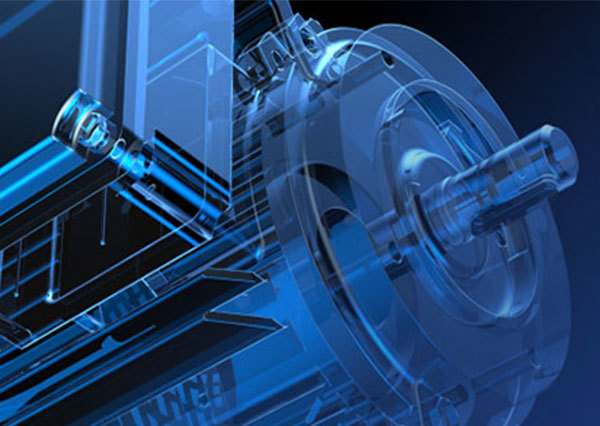
In the realm of automotive electronics and electrical components, three-phase asynchronous motors hold a significant position due to their efficiency and reliability. These motors operate on the principle of electromagnetic induction, converting electrical energy into mechanical energy. Their design features three separate windings that are powered by alternating current, creating a rotating magne
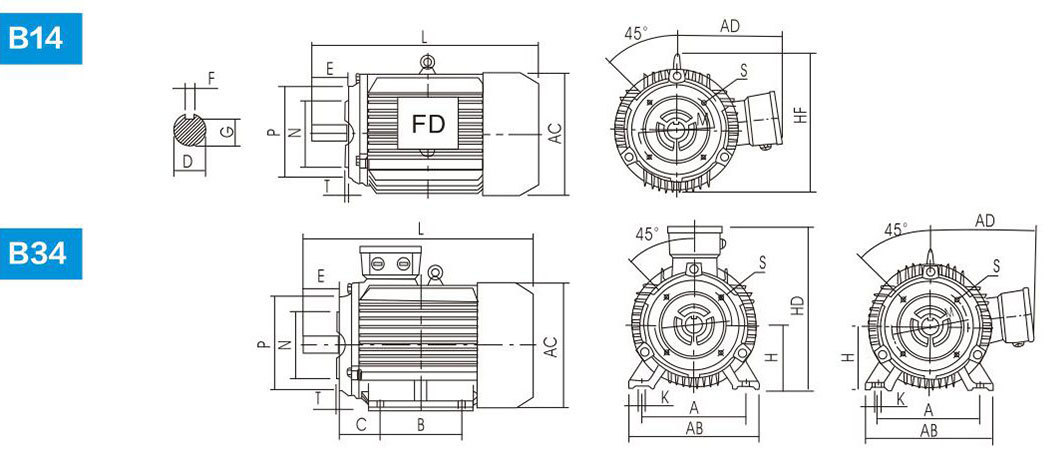
In the realm of automotive electronics and electrical components, three-phase asynchronous motors hold a significant position due to their efficiency and reliability. These motors operate on the principle of electromagnetic induction, converting electrical energy into mechanical energy. Their design features three separate windings that are powered by alternating current, creating a rotating magnetic field. This mechanism allows the rotor to turn, providing the necessary torque for various applications.
One of the primary advantages of three-phase asynchronous motors is their robustness. They are designed to withstand harsh conditions, making them ideal for automotive environments where durability is crucial. Additionally, these motors typically require less maintenance compared to their counterparts, resulting in lower operational costs over time. The absence of brushes in their design means that there is minimal friction, leading to reduced wear and tear.
Moreover, these motors are known for their high efficiency, which translates to better energy consumption. In automotive applications, where every watt counts, the ability of a three-phase asynchronous motor to deliver consistent performance while minimizing energy use is invaluable. This efficiency is also complemented by their ability to provide higher torque at lower speeds, making them suitable for applications that require substantial starting power.
In terms of applications, three-phase asynchronous motors are widely used in various automotive setups. They are commonly found in systems such as electric power steering, HVAC systems, and even in starting mechanisms for engines. As automotive technology shifts towards electrification, the demand for efficient and reliable motors like these is expected to rise, positioning them as a critical component in modern vehicles.
When considering the integration of three-phase asynchronous motors into automotive designs, it is essential to account for factors such as size, weight, and thermal management. Ensuring that these motors are appropriately matched to the specific requirements of the vehicle can lead to optimal performance and longevity. Additionally, advancements in motor control systems can further enhance the performance of these motors, allowing for precise speed regulation and improved overall efficiency.
In conclusion, three-phase asynchronous motors are an integral part of the automotive industry's evolution, driving advancements in efficiency and performance. Understanding their operation and advantages can empower automotive professionals to make informed decisions about component selection and application design, ultimately contributing to more reliable and efficient vehicles. The shift towards electrification in the automotive sector underscores the importance of such motors, making them a key area of focus for those involved in automotive electronics and electrical components.
One of the primary advantages of three-phase asynchronous motors is their robustness. They are designed to withstand harsh conditions, making them ideal for automotive environments where durability is crucial. Additionally, these motors typically require less maintenance compared to their counterparts, resulting in lower operational costs over time. The absence of brushes in their design means that there is minimal friction, leading to reduced wear and tear.
Moreover, these motors are known for their high efficiency, which translates to better energy consumption. In automotive applications, where every watt counts, the ability of a three-phase asynchronous motor to deliver consistent performance while minimizing energy use is invaluable. This efficiency is also complemented by their ability to provide higher torque at lower speeds, making them suitable for applications that require substantial starting power.
In terms of applications, three-phase asynchronous motors are widely used in various automotive setups. They are commonly found in systems such as electric power steering, HVAC systems, and even in starting mechanisms for engines. As automotive technology shifts towards electrification, the demand for efficient and reliable motors like these is expected to rise, positioning them as a critical component in modern vehicles.
When considering the integration of three-phase asynchronous motors into automotive designs, it is essential to account for factors such as size, weight, and thermal management. Ensuring that these motors are appropriately matched to the specific requirements of the vehicle can lead to optimal performance and longevity. Additionally, advancements in motor control systems can further enhance the performance of these motors, allowing for precise speed regulation and improved overall efficiency.
In conclusion, three-phase asynchronous motors are an integral part of the automotive industry's evolution, driving advancements in efficiency and performance. Understanding their operation and advantages can empower automotive professionals to make informed decisions about component selection and application design, ultimately contributing to more reliable and efficient vehicles. The shift towards electrification in the automotive sector underscores the importance of such motors, making them a key area of focus for those involved in automotive electronics and electrical components.


Contact
E-mail :
Tel/ WhatsApp:
Address:
Daxi Industrial District, Daxi Town, Wenling City, Zhejiang, China
Daxi Industrial District, Daxi Town, Wenling City, Zhejiang, China
