WELCOME TO FANGDA ELECTRIC MACHINE CO..LTD



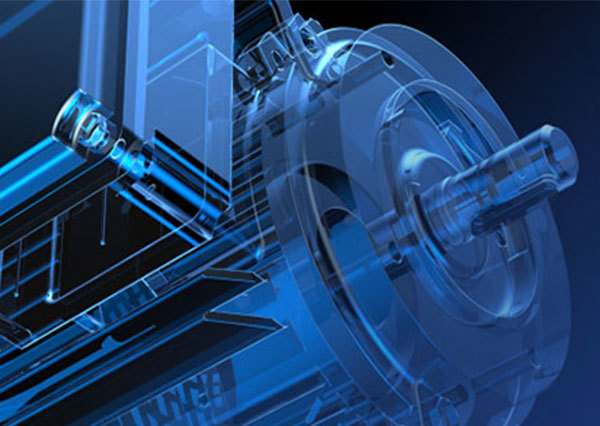
The Future of Power: Innovations in Special-Purpose Motors
Aug 30,2026
The Future of Power: Innovations in Special-Purpose Motors
In an age where technological advancements dictate the pace of industry evolution, **special-purpose motors** have emerged as pivotal components in the power generation sector. These motors are not just conventional devices; they are tailored solutions designed to meet specific operational requirements across diverse applications. As we de
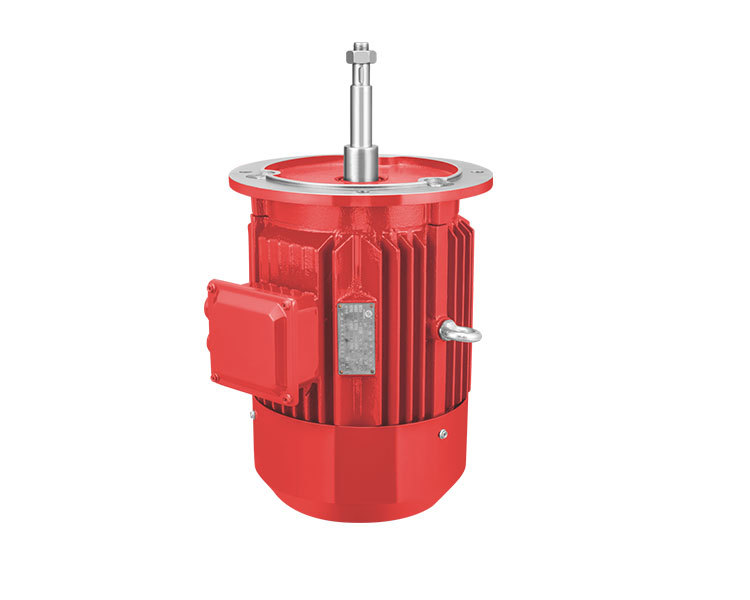
The Future of Power: Innovations in Special-Purpose Motors
In an age where technological advancements dictate the pace of industry evolution, **special-purpose motors** have emerged as pivotal components in the power generation sector. These motors are not just conventional devices; they are tailored solutions designed to meet specific operational requirements across diverse applications. As we delve into the innovations surrounding special-purpose motors, we will explore their functionalities, benefits, and future potential in transforming the landscape of power generation.
Table of Contents
1. Introduction to Special-Purpose Motors
2. Types of Special-Purpose Motors
- 2.1 Synchronous Motors
- 2.2 Asynchronous Motors
- 2.3 Stepper Motors
3. Applications of Special-Purpose Motors
- 3.1 Renewable Energy Systems
- 3.2 Industrial Automation
- 3.3 Electric Vehicles
4. Technological Innovations in Special-Purpose Motors
5. Advantages of Utilizing Special-Purpose Motors
6. Future Trends in Special-Purpose Motors
7. Challenges and Solutions in Special-Purpose Motor Development
8. Conclusion
9. Frequently Asked Questions (FAQs)
Introduction to Special-Purpose Motors
Special-purpose motors are engineered specifically for unique tasks and environments, providing optimized performance where traditional motors may fall short. As the demand for energy-efficient solutions escalates, industries are gravitating towards these specialized motors, which offer enhanced functionality and reliability. This article will analyze the evolution of special-purpose motors and their role in the future of power generation.
Types of Special-Purpose Motors
Understanding the various types of special-purpose motors is crucial to recognizing their applications and advantages. Each type serves a specific purpose and offers distinct advantages depending on the use case.
Synchronous Motors
**Synchronous motors** operate at a constant speed, synchronizing with the frequency of the current supply. This type of motor is particularly beneficial in applications demanding precision and efficiency. With advancements in technology, synchronous motors have become more prevalent in renewable energy systems, where their ability to maintain synchronous speed allows for improved stability and performance.
Asynchronous Motors
Unlike synchronous motors, **asynchronous motors** do not operate at synchronous speed, creating a slip between the magnetic field and rotor. These motors are widely used due to their robustness and simplicity. They are particularly effective in applications requiring high starting torque, making them ideal for heavy-duty industrial use.
Stepper Motors
**Stepper motors** are unique in that they move in discrete steps, allowing for precise control in applications such as robotics and CNC machinery. Their ability to offer accurate positioning makes them indispensable in sectors requiring high levels of accuracy.
Applications of Special-Purpose Motors
The versatility of special-purpose motors allows them to be utilized across a broad spectrum of industries. Below are some prominent applications that illustrate their importance.
Renewable Energy Systems
In the realm of **renewable energy**, special-purpose motors have revolutionized the way energy is harnessed and utilized. For instance, wind turbines incorporate synchronous motors to convert kinetic energy into electrical energy with minimal losses. Moreover, solar power systems often employ stepper motors for accurate tracking of sunlight, thereby optimizing energy capture.
Industrial Automation
The rise of **industrial automation** has seen an increasing reliance on special-purpose motors. These motors facilitate the seamless operation of machinery, enhancing efficiency and productivity. For example, conveyor systems utilize asynchronous motors to maintain precise speed and torque, ensuring smooth operation in manufacturing and logistics.
Electric Vehicles
The **electric vehicle (EV)** market has witnessed an exponential growth rate, with special-purpose motors playing a significant role in this transformation. High-efficiency synchronous motors are commonly used in EVs for their superior performance and lower environmental impact. As the demand for sustainable transportation continues to rise, the role of these motors in electric vehicles becomes increasingly critical.
Technological Innovations in Special-Purpose Motors
The landscape of special-purpose motors is continuously evolving, driven by technological advancements. Recent innovations include the development of **smart motors** equipped with sensors and IoT capabilities. These smart motors can communicate performance data, enabling predictive maintenance and enhancing operational efficiency.
Moreover, advances in material science have led to the creation of lighter, more efficient motor components, further boosting performance. The integration of **permanent magnets** in synchronous motors has also contributed to substantial efficiency gains, making them increasingly favorable for various applications.
Advantages of Utilizing Special-Purpose Motors
The benefits of special-purpose motors extend beyond mere operational efficiency. Below are some key advantages that make them an attractive choice for various applications.
1. **Enhanced Efficiency**: Special-purpose motors are engineered for specific tasks, resulting in improved efficiency and reduced energy consumption.
2. **Precision and Control**: With the ability to offer precise control over speed and torque, these motors excel in applications requiring high accuracy.
3. **Longevity**: Designed for specific environments, special-purpose motors often experience less wear and tear, contributing to longer operational lifespans.
4. **Sustainability**: Many special-purpose motors leverage renewable energy sources, contributing to a greener future.
5. **Flexibility**: Their adaptability allows for integration into various systems, making them versatile components in many industries.
Future Trends in Special-Purpose Motors
The future of special-purpose motors is bright, with several trends shaping their development. Key trends include:
- **Increased Adoption of Electric Motors**: As industries shift towards electrification, the demand for efficient electric motors is expected to surge.
- **Integration of AI and Machine Learning**: The incorporation of AI and machine learning algorithms will enable motors to optimize performance in real-time, enhancing efficiency and reducing downtime.
- **Focus on Sustainability**: With the global emphasis on sustainability, manufacturers will continue to innovate, creating motors that minimize environmental impact.
- **Advancements in Battery Technology**: The development of better battery technologies will complement special-purpose motors, particularly in the electric vehicle sector.
Challenges and Solutions in Special-Purpose Motor Development
While the future is promising, there are challenges that need to be addressed in the development of special-purpose motors:
1. **Cost of Development**: High initial costs for developing specialized motors can deter companies from investing. Implementing new manufacturing techniques can help reduce costs.
2. **Technological Integration**: Integrating advanced technologies can pose challenges. Continuous training and development for engineers can ensure smoother integration.
3. **Market Competition**: As the demand for motors increases, competition will likewise rise. Fostering innovation and maintaining quality will be key strategies for staying competitive.
Conclusion
Special-purpose motors are at the forefront of innovation within the power generation industry, offering tailored solutions that enhance performance and efficiency across various applications. With advancements in technology and an increasing focus on sustainability, these motors are set to revolutionize how we harness and utilize power. As we look towards the future, the continued evolution of special-purpose motors will play a critical role in shaping an efficient, reliable, and sustainable energy landscape.
Frequently Asked Questions (FAQs)
1. **What are special-purpose motors?**
Special-purpose motors are specifically designed to perform tasks that standard motors cannot efficiently accomplish, providing tailored solutions across various industries.
2. **What are the main types of special-purpose motors?**
The main types include synchronous motors, asynchronous motors, and stepper motors, each suited for different applications and operational requirements.
3. **How do special-purpose motors contribute to renewable energy?**
They enhance efficiency in converting renewable energy sources, such as wind and solar, into electrical power, improving overall energy capture.
4. **What industries utilize special-purpose motors?**
Industries such as manufacturing, renewable energy, automotive (electric vehicles), and industrial automation extensively use special-purpose motors.
5. **What are the future trends for special-purpose motors?**
Future trends include increased electrification, advancements in AI and machine learning, a focus on sustainability, and improvements in battery technology.
This comprehensive exploration underscores the significance of special-purpose motors in today's energy landscape and lays the groundwork for understanding their future innovations and applications.


Contact
E-mail :
Tel/ WhatsApp:
Address:
Daxi Industrial District, Daxi Town, Wenling City, Zhejiang, China
Daxi Industrial District, Daxi Town, Wenling City, Zhejiang, China
