WELCOME TO FANGDA ELECTRIC MACHINE CO..LTD



Understanding Induction Motors: The Backbone of Modern Power Generation
Sep 06,2026
Induction motors, often referred to as asynchronous motors, are widely utilized in various applications due to their robust design and efficiency. The fundamental principle behind an induction motor involves electromagnetic induction, where electrical energy is converted into mechanical energy. This process occurs in two main components: the stator and the rotor. The stator, which is the stationar

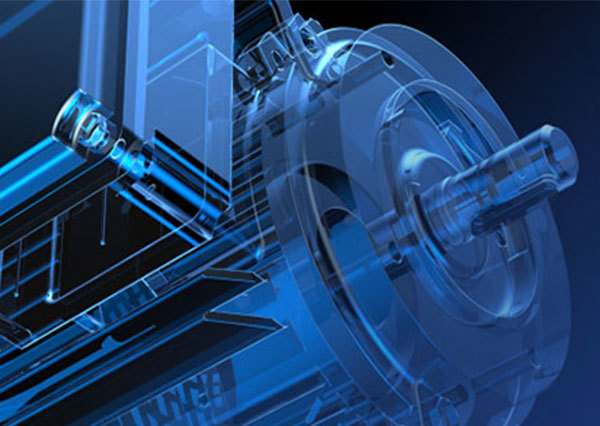
Induction motors, often referred to as asynchronous motors, are widely utilized in various applications due to their robust design and efficiency. The fundamental principle behind an induction motor involves electromagnetic induction, where electrical energy is converted into mechanical energy. This process occurs in two main components: the stator and the rotor. The stator, which is the stationary part, generates a rotating magnetic field when an alternating current (AC) is supplied. The rotor, positioned within the stator, reacts to this magnetic field, inducing a current that produces torque and causes the rotor to turn.
One of the primary advantages of induction motors is their simplicity and reliability. They require minimal maintenance due to the absence of brushes or commutators, which are present in other types of motors. Additionally, induction motors can operate efficiently across a wide range of speeds and loads, making them suitable for various applications in power generation equipment.
In the context of power generation, induction motors are often employed in generators and turbine applications. They can be used to convert mechanical energy from turbine systems into electrical energy, which is essential for providing power to homes and industries. Their ability to handle variable loads makes them ideal for wind and hydroelectric power applications, where energy generation can fluctuate based on environmental conditions.
Moreover, induction motors are known for their high starting torque, which enables them to start under load conditions. This feature is particularly beneficial in applications where heavy machinery needs to be powered up efficiently. Additionally, the design of induction motors allows them to operate at various power factors, which can be optimized to enhance overall system performance.
However, it is essential to consider that induction motors can experience challenges, such as overheating and efficiency losses at lower loads. To mitigate these issues, proper sizing and selection of the motor for specific applications are crucial. Furthermore, advancements in technology, such as variable frequency drives (VFDs), have enabled better control of motor speed and torque, enhancing the overall efficiency of induction motors in power generation systems.
In conclusion, induction motors play a vital role in the electrical engineering field, especially in power generation. Their efficiency, reliability, and versatility make them the preferred choice for various applications. Understanding the operational principles and potential challenges of induction motors can empower professionals to make informed decisions when integrating these machines into their power generation setups. Whether for industrial applications or renewable energy systems, mastering the intricacies of induction motors is essential for optimizing performance and ensuring sustainable energy solutions.
One of the primary advantages of induction motors is their simplicity and reliability. They require minimal maintenance due to the absence of brushes or commutators, which are present in other types of motors. Additionally, induction motors can operate efficiently across a wide range of speeds and loads, making them suitable for various applications in power generation equipment.
In the context of power generation, induction motors are often employed in generators and turbine applications. They can be used to convert mechanical energy from turbine systems into electrical energy, which is essential for providing power to homes and industries. Their ability to handle variable loads makes them ideal for wind and hydroelectric power applications, where energy generation can fluctuate based on environmental conditions.
Moreover, induction motors are known for their high starting torque, which enables them to start under load conditions. This feature is particularly beneficial in applications where heavy machinery needs to be powered up efficiently. Additionally, the design of induction motors allows them to operate at various power factors, which can be optimized to enhance overall system performance.
However, it is essential to consider that induction motors can experience challenges, such as overheating and efficiency losses at lower loads. To mitigate these issues, proper sizing and selection of the motor for specific applications are crucial. Furthermore, advancements in technology, such as variable frequency drives (VFDs), have enabled better control of motor speed and torque, enhancing the overall efficiency of induction motors in power generation systems.
In conclusion, induction motors play a vital role in the electrical engineering field, especially in power generation. Their efficiency, reliability, and versatility make them the preferred choice for various applications. Understanding the operational principles and potential challenges of induction motors can empower professionals to make informed decisions when integrating these machines into their power generation setups. Whether for industrial applications or renewable energy systems, mastering the intricacies of induction motors is essential for optimizing performance and ensuring sustainable energy solutions.


Contact
E-mail :
Tel/ WhatsApp:
Address:
Daxi Industrial District, Daxi Town, Wenling City, Zhejiang, China
Daxi Industrial District, Daxi Town, Wenling City, Zhejiang, China
