WELCOME TO FANGDA ELECTRIC MACHINE CO..LTD



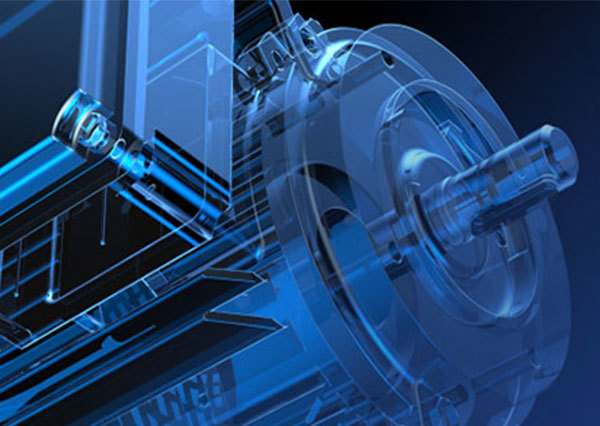
Single-Phase Asynchronous Motors: How They Work and When to Use Them
Sep 13,2026
Single-Phase Asynchronous Motors: How They Work and When to Use Them
Table of Contents
1. Understanding Single-Phase Asynchronous Motors
2. Key Components of Single-Phase Asynchronous Motors
3. How Single-Phase Asynchronous Motors Operate
4. Advantages of Using Single-Phase Asynchronous Motors
5. Limitations and Disadvantages
6. Applications of Single-Phase Asynchronous Motors
7. Selecting the Rig
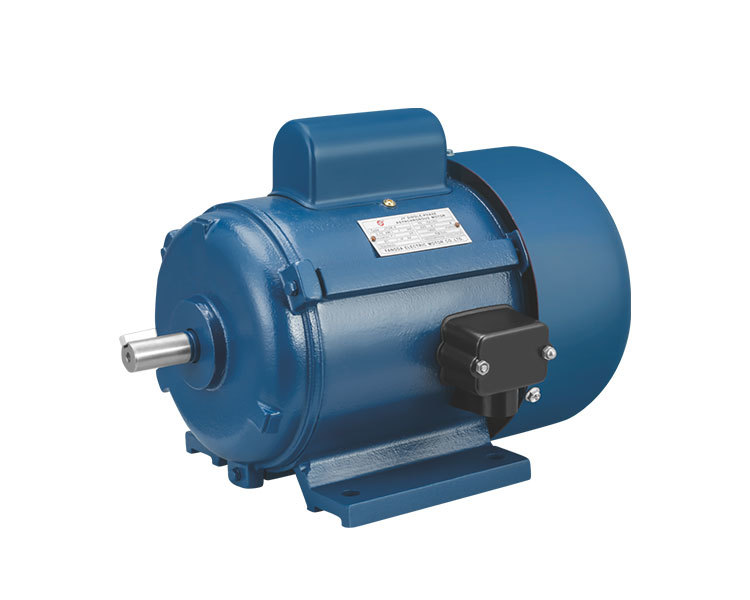
Single-Phase Asynchronous Motors: How They Work and When to Use Them
Table of Contents
1. Understanding Single-Phase Asynchronous Motors
2. Key Components of Single-Phase Asynchronous Motors
3. How Single-Phase Asynchronous Motors Operate
4. Advantages of Using Single-Phase Asynchronous Motors
5. Limitations and Disadvantages
6. Applications of Single-Phase Asynchronous Motors
7. Selecting the Right Motor for Your Needs
8. Frequently Asked Questions (FAQs)
9. Conclusion
1. Understanding Single-Phase Asynchronous Motors
Single-phase asynchronous motors are a type of electric motor that operates on a single-phase supply. Unlike their three-phase counterparts, which provide a constant torque and smoother operation, single-phase motors have unique characteristics that make them suitable for specific applications.
These motors are commonly found in household appliances, HVAC systems, and various industrial machinery. By understanding their operational principles, we can better appreciate when and how to utilize them effectively.
2. Key Components of Single-Phase Asynchronous Motors
To grasp how single-phase asynchronous motors function, it is essential to familiarize ourselves with their core components:
Stator
The stator is the stationary part of the motor, which houses the windings that generate the magnetic field. This is typically made of laminated silicon steel to reduce energy losses.
Rotor
The rotor is the rotating part of the motor, which may be of different types, such as squirrel cage or wound rotor designs. Its role is to convert electrical energy into mechanical energy.
Starting Mechanism
Single-phase motors often require an auxiliary starting mechanism, such as a capacitor or a starting winding, to generate the initial torque required for the rotor to start moving.
3. How Single-Phase Asynchronous Motors Operate
Single-phase asynchronous motors operate based on the interaction between the magnetic fields generated by the stator windings and the rotor. When electrical current flows through the stator windings, it creates a rotating magnetic field.
The rotor, initially at rest, experiences this magnetic field's influence, which induces an electromotive force within it. Because the rotor tries to catch up with the rotating magnetic field but cannot, it ultimately runs at a speed slightly less than the synchronous speed, leading to the term "asynchronous."
4. Advantages of Using Single-Phase Asynchronous Motors
Single-phase asynchronous motors come with several advantages that make them appealing for various applications:
Cost-Effectiveness
The simplicity of design and manufacturing makes these motors relatively inexpensive compared to three-phase motors. They are an economical choice for small-scale applications.
Ease of Use
They can be directly connected to single-phase power supplies, which are widely available in residential and commercial settings. This makes them easy to integrate into existing systems.
Low Maintenance
These motors typically require minimal maintenance due to their robust design and lack of brushes. This characteristic enhances their longevity and reliability.
Versatile Applications
Single-phase asynchronous motors can be found in various appliances, from fans and pumps to washing machines, making them versatile for diverse operational needs.
5. Limitations and Disadvantages
Despite their advantages, single-phase asynchronous motors also come with limitations:
Lower Starting Torque
Single-phase motors generally have a lower starting torque than three-phase motors, which can be a drawback in applications requiring high initial torque.
Less Efficient at High Loads
These motors tend to operate less efficiently than three-phase motors, especially under heavy load conditions.
Limited Speed Control
Single-phase asynchronous motors usually have fixed speeds, making them less flexible for applications requiring variable speed controls.
6. Applications of Single-Phase Asynchronous Motors
Single-phase asynchronous motors are utilized in a multitude of applications across various sectors:
Household Appliances
Commonly used in washing machines, refrigerators, and air conditioners, these motors power essential household functions.
HVAC Systems
In heating, ventilation, and air conditioning systems, they help circulate air and maintain comfortable indoor climates.
Commercial Uses
Single-phase motors are found in fans, pumps, and compressors used in small-scale commercial applications, ensuring efficient operation without the complexity of three-phase systems.
7. Selecting the Right Motor for Your Needs
Choosing the correct single-phase asynchronous motor involves considering several factors:
Power Requirements
Assess the power needs of your application to ensure the motor can handle the load effectively.
Speed and Torque
Determine the required speed and torque specifications, as these will influence your choice of motor type and size.
Operating Environment
Consider the environment in which the motor will operate. Factors like temperature, humidity, and exposure to dust or moisture can affect motor performance and lifespan.
Energy Efficiency
Look for energy-efficient models to reduce operating costs and environmental impact over time.
8. Frequently Asked Questions (FAQs)
What is the difference between single-phase and three-phase asynchronous motors?
Single-phase motors operate on a single-phase supply and are typically used for smaller applications, while three-phase motors are more efficient and suitable for larger industrial applications.
Can single-phase asynchronous motors be used for variable speed applications?
While some methods exist for speed control, such as using variable frequency drives, single-phase motors are generally not designed for variable speed applications.
What is the typical lifespan of a single-phase asynchronous motor?
With proper maintenance, these motors can last between 10 to 15 years, depending on their usage and operating conditions.
How do I know if my single-phase motor is faulty?
Signs of a faulty motor include unusual noises, overheating, reduced performance, and failure to start.
What are the common starting methods for single-phase asynchronous motors?
Common starting methods include capacitor start, split-phase start, and shaded pole start, each suited for different applications and requirements.
9. Conclusion
Single-phase asynchronous motors play a vital role in many applications, providing a cost-effective and reliable solution for moving mechanical loads. Understanding their operation, advantages, and limitations is crucial for selecting the right motor for your needs. By considering the factors discussed, such as power requirements, operating environment, and efficiency, we can make informed decisions to harness the capabilities of these motors effectively. Through their versatility and ease of use, single-phase asynchronous motors continue to be a preferred choice in various sectors, delivering functionality and performance where it matters most.
PREVIOUS:
Contact
E-mail :
Tel/ WhatsApp:
Address:
Daxi Industrial District, Daxi Town, Wenling City, Zhejiang, China
Daxi Industrial District, Daxi Town, Wenling City, Zhejiang, China
