WELCOME TO FANGDA ELECTRIC MACHINE CO..LTD



Understanding Induction Motors: The Backbone of Modern Electrical Power Generation
Sep 28,2026
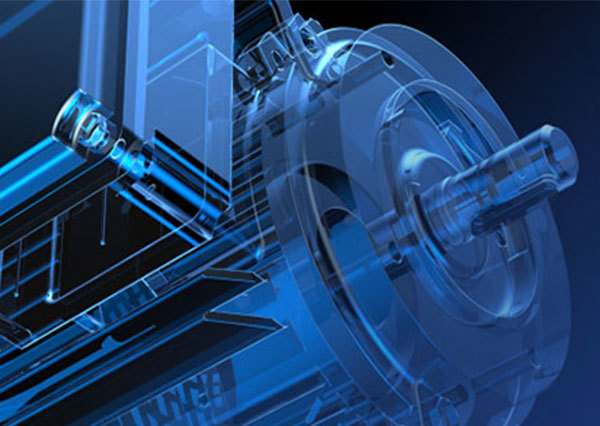
Induction motors are a cornerstone of modern electrical systems, particularly in the power generation industry. These machines operate on the principle of electromagnetic induction, where an alternating current (AC) flowing through the stator windings generates a rotating magnetic field. This field induces current in the rotor, causing it to turn and perform mechanical work. The simplicity of thei
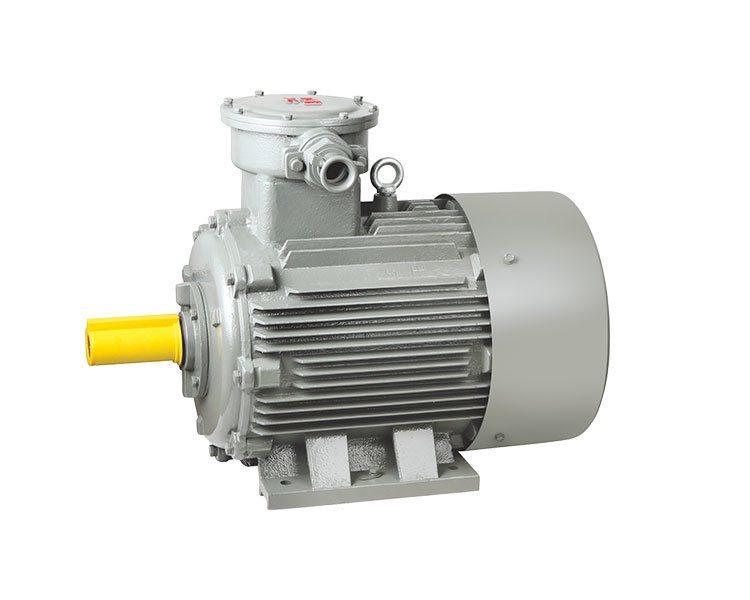
Induction motors are a cornerstone of modern electrical systems, particularly in the power generation industry. These machines operate on the principle of electromagnetic induction, where an alternating current (AC) flowing through the stator windings generates a rotating magnetic field. This field induces current in the rotor, causing it to turn and perform mechanical work. The simplicity of their design and their robust nature make induction motors highly popular for various applications.
One of the key advantages of induction motors is their reliability. With fewer moving parts compared to other types of motors, such as synchronous motors, induction motors typically require less maintenance and are less prone to mechanical failure. This reliability is paramount in power generation facilities, where downtime can lead to significant losses.
In addition to their durability, induction motors are also known for their efficiency. They can operate across a wide range of load conditions without significant energy losses, making them ideal for applications that require consistent performance. This efficiency is particularly important in the context of power generation, where maximizing output while minimizing input costs is a primary objective.
Another significant feature of induction motors is their ability to work in various environments. Whether in industrial settings or remote power generation sites, induction motors can withstand harsh conditions, such as high temperatures and variable humidity levels. This adaptability allows them to be utilized in a diverse array of applications, including pumps, fans, and compressors, all of which are integral to the power generation process.
Furthermore, induction motors can be easily controlled using variable frequency drives (VFDs). These devices adjust the frequency and voltage supplied to the motor, allowing for precise speed control. This capability enhances operational flexibility and energy efficiency, as operators can adapt motor performance to meet varying load demands without compromising on efficiency.
In conclusion, induction motors are essential components of the electrical and power generation industry. Their reliability, efficiency, and adaptability make them suitable for a wide range of applications, ensuring optimal performance in diverse environments. For professionals involved in the design, operation, or maintenance of power generation systems, understanding the nuances of induction motors is crucial to achieving effective energy management and operational excellence. As technology continues to evolve, the role of induction motors in the landscape of power generation will undoubtedly remain significant, driving advancements that enhance both performance and sustainability.
One of the key advantages of induction motors is their reliability. With fewer moving parts compared to other types of motors, such as synchronous motors, induction motors typically require less maintenance and are less prone to mechanical failure. This reliability is paramount in power generation facilities, where downtime can lead to significant losses.
In addition to their durability, induction motors are also known for their efficiency. They can operate across a wide range of load conditions without significant energy losses, making them ideal for applications that require consistent performance. This efficiency is particularly important in the context of power generation, where maximizing output while minimizing input costs is a primary objective.
Another significant feature of induction motors is their ability to work in various environments. Whether in industrial settings or remote power generation sites, induction motors can withstand harsh conditions, such as high temperatures and variable humidity levels. This adaptability allows them to be utilized in a diverse array of applications, including pumps, fans, and compressors, all of which are integral to the power generation process.
Furthermore, induction motors can be easily controlled using variable frequency drives (VFDs). These devices adjust the frequency and voltage supplied to the motor, allowing for precise speed control. This capability enhances operational flexibility and energy efficiency, as operators can adapt motor performance to meet varying load demands without compromising on efficiency.
In conclusion, induction motors are essential components of the electrical and power generation industry. Their reliability, efficiency, and adaptability make them suitable for a wide range of applications, ensuring optimal performance in diverse environments. For professionals involved in the design, operation, or maintenance of power generation systems, understanding the nuances of induction motors is crucial to achieving effective energy management and operational excellence. As technology continues to evolve, the role of induction motors in the landscape of power generation will undoubtedly remain significant, driving advancements that enhance both performance and sustainability.
PREVIOUS:

Contact
E-mail :
Tel/ WhatsApp:
Address:
Daxi Industrial District, Daxi Town, Wenling City, Zhejiang, China
Daxi Industrial District, Daxi Town, Wenling City, Zhejiang, China
