WELCOME TO FANGDA ELECTRIC MACHINE CO..LTD



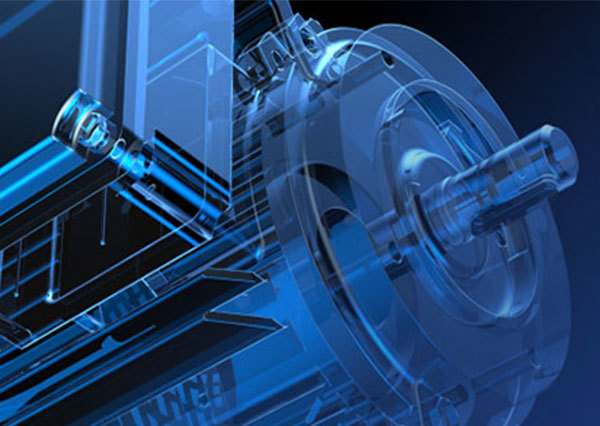
Cost-Effective Solutions: The Role of Single-Phase Asynchronous Motors in Modern Equipment
Oct 05,2026
Cost-Effective Solutions: The Role of Single-Phase Asynchronous Motors in Modern Equipment
Table of Contents
Introduction to Single-Phase Asynchronous Motors
What Are Single-Phase Asynchronous Motors?
Advantages of Single-Phase Asynchronous Motors
Applications in Modern Equipment
Comparison with Three-Phase Motors
Energy Efficiency and Cost Savings
The Future of Single
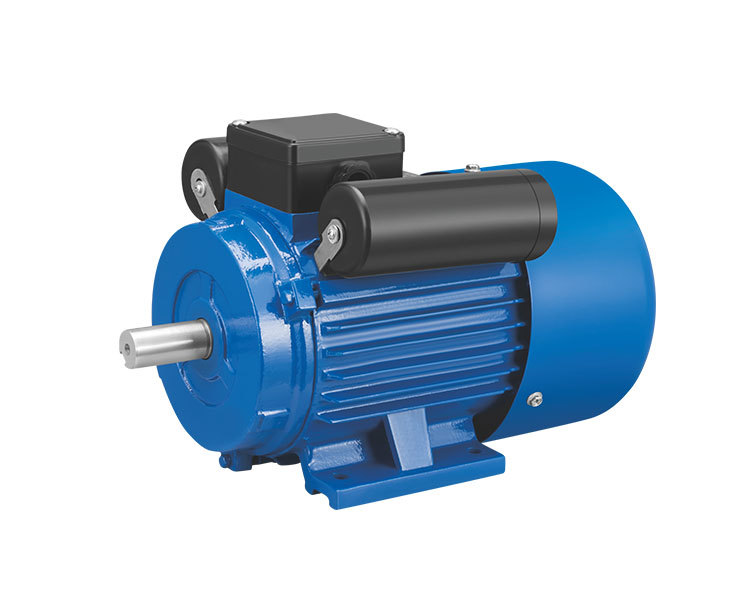
Cost-Effective Solutions: The Role of Single-Phase Asynchronous Motors in Modern Equipment
Table of Contents
- Introduction to Single-Phase Asynchronous Motors
- What Are Single-Phase Asynchronous Motors?
- Advantages of Single-Phase Asynchronous Motors
- Applications in Modern Equipment
- Comparison with Three-Phase Motors
- Energy Efficiency and Cost Savings
- The Future of Single-Phase Asynchronous Motors
- Frequently Asked Questions
- Conclusion
Introduction to Single-Phase Asynchronous Motors
Single-phase asynchronous motors have emerged as a crucial component in various industrial applications, offering a blend of efficiency, reliability, and cost-effectiveness. As industries strive for sustainable practices and reduced operational costs, these motors have gained significant attention. This article delves into the vital role of single-phase asynchronous motors in modern equipment, highlighting their benefits and applications.
What Are Single-Phase Asynchronous Motors?
Single-phase asynchronous motors are designed to operate on single-phase electrical supply, making them suitable for residential and light commercial applications. Unlike their three-phase counterparts, these motors utilize a simpler construction and are often more compact, which makes them ideal for smaller machines and tools.
Working Principle
The operational principle of a single-phase asynchronous motor relies on electromagnetic induction. When alternating current passes through the stator winding, it creates a rotating magnetic field. This field induces an electromotive force in the rotor, causing it to rotate. The rotor speed is slightly less than the speed of the magnetic field, which is why these motors are termed "asynchronous."
Types of Single-Phase Asynchronous Motors
There are primarily two types of single-phase asynchronous motors:
1. **Split-Phase Motors**: These motors use a secondary winding, which assists in starting but is not necessary for continuous operation.
2. **Capacitor-Start Motors**: Equipped with a capacitor, these motors provide better starting torque and efficiency, making them suitable for various applications.
Advantages of Single-Phase Asynchronous Motors
Single-phase asynchronous motors offer numerous advantages that contribute to their popularity in various sectors.
Cost-Effectiveness
One of the most significant benefits is their cost-effectiveness. The initial investment is typically lower than that of three-phase motors, making them accessible for small businesses and startups.
Energy Efficiency
These motors are designed to operate efficiently, consuming less energy while providing adequate power for many applications. This efficiency not only reduces operating costs but also lowers the carbon footprint of the equipment.
Easy Maintenance
Maintenance of single-phase asynchronous motors is straightforward, which reduces downtime and maintenance costs. Their robust design allows for less frequent repairs compared to other motor types.
Versatile Applications
With a wide range of applications, these motors can be found in fans, pumps, compressors, and other equipment. Their adaptability makes them suitable for various industries, from manufacturing to agriculture.
Applications in Modern Equipment
The versatility of single-phase asynchronous motors finds them employed in numerous applications across different sectors.
Home Appliances
In residential settings, single-phase asynchronous motors are found in appliances like washing machines, refrigerators, and air conditioners, providing reliable and efficient operation.
Industrial Applications
In industrial environments, these motors drive equipment such as conveyors, mixers, and small lathes. Their capacity to operate effectively in less demanding conditions makes them ideal for various manufacturing processes.
HVAC Systems
Single-phase motors are commonly used in heating, ventilation, and air conditioning (HVAC) systems. They power blowers and fans, contributing to the overall energy efficiency of these systems.
Agricultural Equipment
In agriculture, single-phase asynchronous motors power irrigation pumps, ensuring efficient water distribution for crop cultivation.
Comparison with Three-Phase Motors
While three-phase motors are known for their high efficiency and performance, single-phase motors excel in specific applications where cost and simplicity are prioritized.
Performance and Efficiency
Three-phase motors generally offer better performance, especially in high-torque applications. However, single-phase motors sufficiently meet the requirements for lower torque situations, providing an economical solution.
Installation and Complexity
Single-phase motors are easier and less expensive to install, making them an appealing choice for residential and small commercial applications.
Initial and Operational Costs
The initial cost of single-phase motors is significantly lower, and their operational costs can also be reduced through effective energy consumption. In contrast, three-phase motors may require additional investments in infrastructure.
Energy Efficiency and Cost Savings
The operational efficiency of single-phase asynchronous motors translates into substantial cost savings over time.
Reduced Energy Consumption
These motors consume less energy during operation, particularly when utilized in applications that do not require continuous high power. This reduction leads to lower electricity bills and a decreased environmental impact.
Long-Term Savings
Investing in single-phase asynchronous motors can yield long-term savings through reduced maintenance costs and improved energy efficiency. Businesses can allocate these savings toward other operational needs, enhancing overall productivity.
The Future of Single-Phase Asynchronous Motors
As technology evolves, the future of single-phase asynchronous motors appears promising. Innovations in materials and design are likely to enhance their efficiency and performance further.
Integration with Smart Technology
The integration of smart technology and IoT (Internet of Things) in motor systems can optimize their performance. Enhanced monitoring and control can lead to improved efficiency and predictive maintenance, reducing downtime and costs.
Sustainability Initiatives
With an increasing focus on sustainability, manufacturers are likely to invest in eco-friendly materials and designs for single-phase motors. This shift aligns with global efforts to reduce carbon footprints and promote energy-efficient technologies.
Frequently Asked Questions
1. What is the primary application of single-phase asynchronous motors?
Single-phase asynchronous motors are primarily used in residential and light commercial applications, such as home appliances, fans, and small machinery.
2. How do single-phase motors differ from three-phase motors?
Single-phase motors operate on a single-phase electrical supply, while three-phase motors require three-phase power. This difference affects their performance, efficiency, and applications.
3. Are single-phase asynchronous motors energy efficient?
Yes, single-phase asynchronous motors are designed to operate efficiently, consuming less energy and subsequently lowering operating costs.
4. What maintenance is required for single-phase asynchronous motors?
Routine maintenance for single-phase asynchronous motors typically includes regular inspections, lubrication of bearings, and checking electrical connections, making them easy to maintain.
5. Can single-phase motors be used in industrial applications?
Yes, single-phase motors are suitable for many industrial applications, particularly those that do not require high torque or continuous power.
Conclusion
Single-phase asynchronous motors play a vital role in modern equipment, offering **cost-effective solutions** for various applications. Their energy efficiency, ease of maintenance, and versatile usage make them an attractive choice for industries ranging from residential to commercial. As technology advances, these motors are likely to become even more efficient, ensuring they remain a key player in the quest for sustainable and cost-effective energy solutions. Embracing single-phase asynchronous motors could lead to significant operational savings, making them an essential consideration for equipment manufacturers and businesses alike.
PREVIOUS:
Contact
E-mail :
Tel/ WhatsApp:
Address:
Daxi Industrial District, Daxi Town, Wenling City, Zhejiang, China
Daxi Industrial District, Daxi Town, Wenling City, Zhejiang, China
