WELCOME TO FANGDA ELECTRIC MACHINE CO..LTD



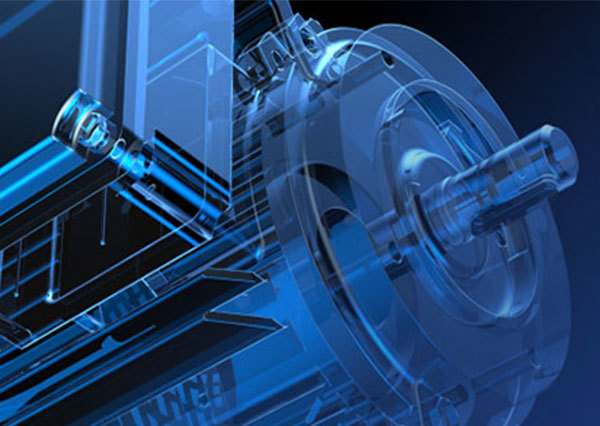
Electric Motor: Driving Innovation and Efficiency in Modern Industry
Apr 02,2026

Electric motors are fundamental components in today’s industrial and technological landscape, powering a vast range of applications from household appliances to large-scale manufacturing systems. As the global demand for energy efficiency, automation, and sustainability continues to grow, electric motors have become increasingly important in supporting modern infrastructure and industrial development. Their ability to convert electrical energy into mechanical motion with high efficiency makes them indispensable across numerous sectors.
At the core of an electric motor is the principle of electromagnetism. When an electric current passes through a conductor within a magnetic field, it generates a force that produces motion. This basic principle has been refined over decades of engineering advancements, resulting in a wide variety of motor types designed to meet specific performance requirements. Common categories include AC motors, DC motors, synchronous motors, and induction motors, each offering unique characteristics and applications.
Electric motors are widely used in industrial equipment such as pumps, compressors, conveyors, and machine tools. In the manufacturing sector, they enable automation and precision control, contributing to increased productivity and reduced operational costs. In commercial and residential environments, electric motors are found in air conditioners, refrigerators, washing machines, and ventilation systems. Their versatility and reliability make them a key driver of modern convenience and industrial capability.
One of the major advantages of electric motors is their high efficiency compared to traditional mechanical or combustion-based systems. By minimizing energy loss during operation, electric motors help reduce power consumption and lower environmental impact. This is particularly important in the context of global efforts to reduce carbon emissions and promote sustainable energy use. Advanced motor designs now incorporate energy-efficient technologies such as improved winding materials, optimized magnetic circuits, and enhanced cooling systems.
Another important feature of electric motors is their adaptability. They can be designed in various sizes, power ratings, and configurations to suit different applications. For example, small motors are used in portable devices and household appliances, while large motors are employed in industrial machinery and power generation systems. Variable speed control systems, such as frequency inverters, further enhance motor performance by allowing precise adjustment of speed and torque.
Reliability and durability are also key factors contributing to the widespread use of electric motors. Modern motors are built using high-quality materials and advanced manufacturing processes, ensuring long service life and stable performance even under demanding conditions. Proper maintenance, including lubrication, cooling, and periodic inspection, helps maintain optimal performance and prevent unexpected failures.
Technological advancements have led to the development of smart electric motors equipped with sensors and monitoring systems. These motors can provide real-time data on temperature, vibration, and operating conditions, enabling predictive maintenance and improved system management. Integration with industrial automation systems and the Internet of Things (IoT) allows for enhanced control and efficiency in modern production environments.
Electric motors also play a crucial role in the transition to renewable energy and electrification. They are essential components in electric vehicles, wind turbines, and solar tracking systems. As the world shifts toward cleaner energy sources, the demand for high-performance electric motors continues to increase. Innovations in motor design are helping to improve efficiency, reduce weight, and enhance overall system performance in these emerging applications.
Safety and standards compliance are critical considerations in electric motor design and operation. Manufacturers must adhere to international standards to ensure that motors operate safely and efficiently. Features such as thermal protection, insulation systems, and overload protection mechanisms are incorporated to prevent damage and ensure reliable operation.
In addition to performance and efficiency, cost-effectiveness remains an important factor in electric motor selection. Advances in manufacturing technology have made high-quality motors more accessible, allowing businesses to achieve better performance without significantly increasing costs. Customization options also enable users to select motors tailored to their specific operational requirements.
In conclusion, electric motors are a cornerstone of modern industry and daily life, providing efficient and reliable power for a wide range of applications. Their continued development and integration with advanced technologies will play a key role in shaping the future of automation, energy efficiency, and sustainable development. As industries evolve and new challenges emerge, electric motors will remain at the forefront of innovation, driving progress across multiple sectors.


Contact
E-mail :
Tel/ WhatsApp:
Address:
Daxi Industrial District, Daxi Town, Wenling City, Zhejiang, China
Daxi Industrial District, Daxi Town, Wenling City, Zhejiang, China
