WELCOME TO FANGDA ELECTRIC MACHINE CO..LTD



Understanding Three-Phase Asynchronous Motors: Key Insights for Automotive Applications
Nov 07,2025
Three-phase asynchronous motors are integral to various applications within the automotive industry, particularly in the realm of electronic and electrical components such as starters and automotive motors. Understanding the operational principles, advantages, and applications of these motors can significantly enhance your knowledge and decision-making when dealing with automotive electrical parts
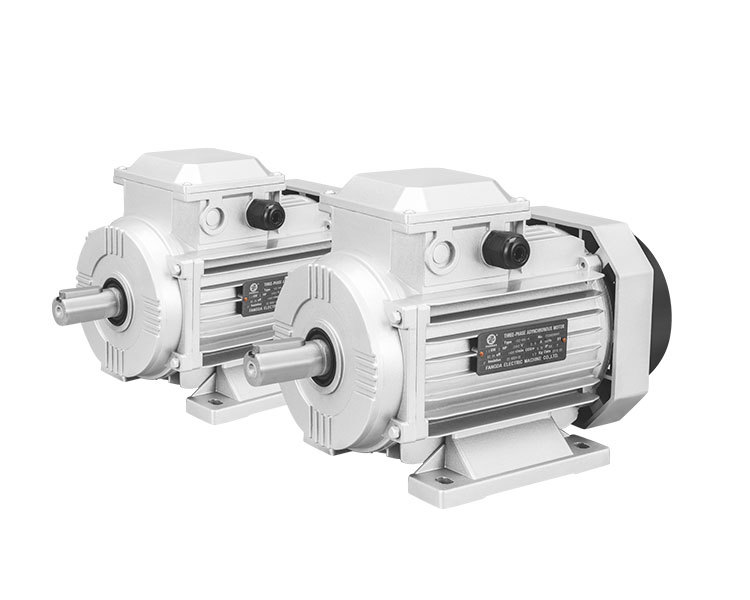
Three-phase asynchronous motors are integral to various applications within the automotive industry, particularly in the realm of electronic and electrical components such as starters and automotive motors. Understanding the operational principles, advantages, and applications of these motors can significantly enhance your knowledge and decision-making when dealing with automotive electrical parts.
Three-phase asynchronous motors, also known as induction motors, operate based on electromagnetic induction. These motors consist of a stator and rotor, where the stator receives three-phase alternating current (AC), leading to the creation of a rotating magnetic field. This magnetic field induces current in the rotor, producing motion. The term "asynchronous" refers to the fact that the rotor does not necessarily rotate at the same speed as the magnetic field; instead, it lags behind, which is essential for generating torque.
One of the primary benefits of three-phase asynchronous motors is their efficiency. They typically have a higher power-to-weight ratio compared to their single-phase counterparts, making them more suitable for automotive applications where space and weight are critical factors. Moreover, these motors are known for their robust construction, durability, and lower maintenance requirements, which translates to longer service life and cost-effectiveness in automotive use.
In the automotive sector, three-phase asynchronous motors are commonly employed in electric power steering systems, air conditioning compressors, and other auxiliary systems that require reliable and efficient power. Their ability to handle variable loads and maintain efficiency across different operating conditions makes them particularly valuable for modern vehicles that demand high performance and energy efficiency.
Another advantage is the smooth operation and reduced noise levels associated with three-phase asynchronous motors. The balanced nature of three-phase systems minimizes vibrations, resulting in quieter and more stable performance, which is increasingly important in the design of contemporary vehicles aimed at enhancing passenger comfort.
When considering the implementation of three-phase asynchronous motors in automotive applications, it's essential to evaluate factors such as the motor's size, torque characteristics, and operational speed. Understanding these parameters can help in selecting the right motor for specific applications, ensuring optimal performance and reliability.
In conclusion, three-phase asynchronous motors are vital components in the automotive industry, particularly in the field of electronic and electrical parts. Their efficiency, durability, and adaptability make them a preferred choice for various automotive applications, ensuring that vehicles meet the growing demands for performance and reliability. As technology continues to evolve, the role of these motors in automotive innovation will likely expand, further solidifying their importance in the industry.
Three-phase asynchronous motors, also known as induction motors, operate based on electromagnetic induction. These motors consist of a stator and rotor, where the stator receives three-phase alternating current (AC), leading to the creation of a rotating magnetic field. This magnetic field induces current in the rotor, producing motion. The term "asynchronous" refers to the fact that the rotor does not necessarily rotate at the same speed as the magnetic field; instead, it lags behind, which is essential for generating torque.
One of the primary benefits of three-phase asynchronous motors is their efficiency. They typically have a higher power-to-weight ratio compared to their single-phase counterparts, making them more suitable for automotive applications where space and weight are critical factors. Moreover, these motors are known for their robust construction, durability, and lower maintenance requirements, which translates to longer service life and cost-effectiveness in automotive use.
In the automotive sector, three-phase asynchronous motors are commonly employed in electric power steering systems, air conditioning compressors, and other auxiliary systems that require reliable and efficient power. Their ability to handle variable loads and maintain efficiency across different operating conditions makes them particularly valuable for modern vehicles that demand high performance and energy efficiency.
Another advantage is the smooth operation and reduced noise levels associated with three-phase asynchronous motors. The balanced nature of three-phase systems minimizes vibrations, resulting in quieter and more stable performance, which is increasingly important in the design of contemporary vehicles aimed at enhancing passenger comfort.
When considering the implementation of three-phase asynchronous motors in automotive applications, it's essential to evaluate factors such as the motor's size, torque characteristics, and operational speed. Understanding these parameters can help in selecting the right motor for specific applications, ensuring optimal performance and reliability.
In conclusion, three-phase asynchronous motors are vital components in the automotive industry, particularly in the field of electronic and electrical parts. Their efficiency, durability, and adaptability make them a preferred choice for various automotive applications, ensuring that vehicles meet the growing demands for performance and reliability. As technology continues to evolve, the role of these motors in automotive innovation will likely expand, further solidifying their importance in the industry.


Contact
E-mail :
Tel/ WhatsApp:
Address:
Daxi Industrial District, Daxi Town, Wenling City, Zhejiang, China
Daxi Industrial District, Daxi Town, Wenling City, Zhejiang, China
