WELCOME TO FANGDA ELECTRIC MACHINE CO..LTD



Unlocking Efficiency: The Advantages of Single-Phase Asynchronous Motors
Dec 22,2025
Unlocking Efficiency: The Advantages of Single-Phase Asynchronous Motors
In the realm of electric machinery, single-phase asynchronous motors have carved a niche for themselves due to their efficiency and versatility. These motors are widely utilized in various applications, ranging from small-scale domestic appliances to larger industrial machinery. This article delves into the myriad advantages of single-phase asynchronous motors, their applications, and their role in enhancing operational efficiency across different sectors.
Table of Contents
- What Are Single-Phase Asynchronous Motors?
- Understanding the Working Principle
- Advantages of Single-Phase Asynchronous Motors
- Applications of Single-Phase Asynchronous Motors
- Choosing the Right Single-Phase Asynchronous Motor
- Maintenance Tips for Longevity
- Troubleshooting Common Issues with Single-Phase Motors
- Future Trends in Motor Technology
- Conclusion
- FAQs
What Are Single-Phase Asynchronous Motors?
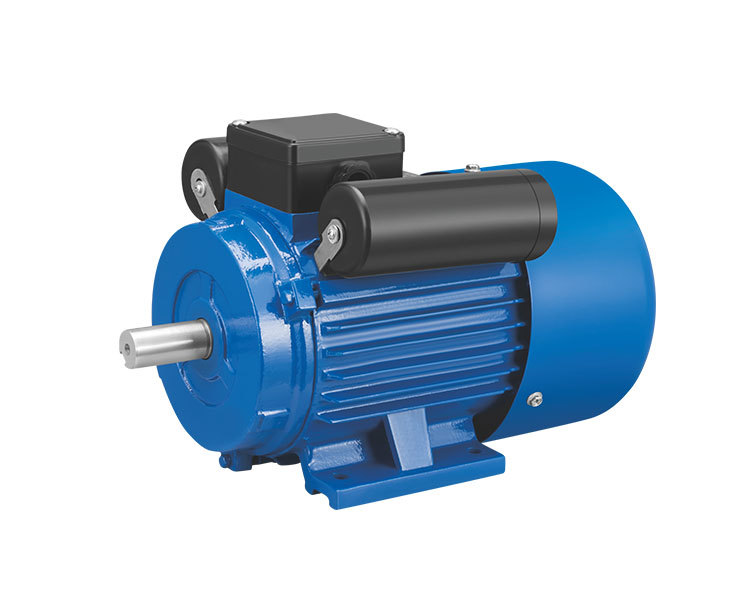
Single-phase asynchronous motors are electric motors that operate on a single-phase alternating current (AC). They are commonly referred to as induction motors because they rely on electromagnetic induction to generate torque. These motors have a stator and a rotor, where the stator produces a rotating magnetic field that induces current in the rotor, causing it to spin. Ideal for low-power applications, single-phase asynchronous motors are known for their simplicity and reliability.
Understanding the Working Principle
The operation of single-phase asynchronous motors is based on the interaction between the magnetic field produced by the stator and the rotor. The stator windings are energized by an AC supply, creating a magnetic field that rotates in space. The rotor, placed within this field, experiences induced currents that generate torque. As the rotor accelerates, it approaches the speed of the rotating magnetic field but never quite reaches it, hence the term "asynchronous." This principle enables the motor to provide consistent performance across various operating conditions.
The Role of Slip in Motor Operation
In the context of single-phase asynchronous motors, slip refers to the difference between the synchronous speed of the magnetic field and the actual speed of the rotor. Slip is crucial for torque production; without it, the rotor would not rotate. The typical slip for these motors ranges from 2% to 5% under normal operating conditions, allowing for effective torque generation and smooth operation.
Advantages of Single-Phase Asynchronous Motors
Single-phase asynchronous motors offer several advantages, making them a popular choice in various applications. Here are some key benefits:
1. High Efficiency and Reliability
These motors are designed for optimal efficiency, ensuring minimal energy wastage. Their robust construction and simple design contribute to high reliability, reducing the frequency of repairs and maintenance.
2. Cost-Effective Solution
Single-phase asynchronous motors are generally more affordable than their three-phase counterparts. Their lower initial investment and reduced operational costs make them an attractive option for many businesses and homeowners.
3. Easy Installation and Maintenance
The straightforward design of single-phase motors facilitates easy installation. Moreover, their maintenance requirements are minimal, which can lead to significant savings over time.
4. Versatility in Applications
These motors are suitable for a wide array of applications, including fans, pumps, compressors, and small machine tools. Their adaptability makes them invaluable in both residential and industrial settings.
5. Low Noise Levels
Single-phase asynchronous motors operate quietly, making them ideal for use in environments where noise levels need to be minimized, such as residential areas or laboratories.
Applications of Single-Phase Asynchronous Motors
Single-phase asynchronous motors find extensive application across various sectors. Some common applications include:
1. Household Appliances
From washing machines to refrigerators, single-phase motors are integral in many household appliances, ensuring efficient operation and energy savings.
2. HVAC Systems
Heating, ventilation, and air conditioning systems frequently utilize single-phase asynchronous motors to power fans and pumps, optimizing climate control in residential and commercial buildings.
3. Agricultural Equipment
In agriculture, these motors power various equipment, such as irrigation pumps and grain augers, facilitating efficient farming processes.
4. Industrial Machinery
Many industrial machines, including conveyor belts and small tools, rely on single-phase asynchronous motors for reliable operation and productivity enhancement.
Choosing the Right Single-Phase Asynchronous Motor
Selecting the appropriate single-phase asynchronous motor for a specific application is crucial to achieving optimal performance. Here are some factors to consider:
1. Power Rating
Evaluate the power requirements of your application to choose a motor with the appropriate power rating. Understanding the load and operational demands will help in making the right choice.
2. Speed Rating
Consider whether your application requires a specific speed rating. Single-phase motors come in various speed options, so choose one that aligns with your operational needs.
3. Torque Characteristics
Different applications may require varying torque characteristics. Ensure that the selected motor can deliver the necessary starting and running torque for your specific application.
4. Environmental Conditions
Assess the environmental conditions where the motor will operate. Factors such as temperature, humidity, and potential exposure to dust or moisture can influence motor selection.
Maintenance Tips for Longevity
To ensure the longevity and optimal performance of single-phase asynchronous motors, regular maintenance is essential. Here are some effective maintenance tips:
1. Regular Inspections
Conduct periodic inspections to identify any signs of wear, overheating, or unusual noises. Early detection of issues can prevent costly repairs.
2. Lubrication
Ensure that the motor’s bearings are adequately lubricated to minimize friction and wear. Follow the manufacturer’s guidelines on lubrication intervals and types.
3. Cleaning
Keep the motor clean from dust and debris, as these can affect its cooling efficiency and lead to overheating. Use compressed air or a soft brush to remove any accumulated dirt.
4. Electrical Connections
Regularly check electrical connections for signs of corrosion or loosening. Secure connections help maintain efficient operation and reduce the risk of electrical faults.
Troubleshooting Common Issues with Single-Phase Motors
Even with proper maintenance, issues may arise. Here are common problems and their potential solutions:
1. Motor Won’t Start
If the motor fails to start, check the power supply and circuit breaker. Ensure that the motor’s start capacitor is functioning properly, as a faulty capacitor can prevent startup.
2. Overheating
Overheating can result from inadequate ventilation or excessive load. Ensure that the motor has sufficient airflow and is not overloaded beyond its rated capacity.
3. Unusual Noises
Strange noises may indicate mechanical issues, such as worn bearings. Investigate the source of the noise and address any mechanical problems promptly.
Future Trends in Motor Technology
The advancements in motor technology, particularly in the field of single-phase asynchronous motors, are promising. Future trends may include:
1. Enhanced Energy Efficiency
As energy regulations become more stringent, manufacturers are focusing on improving the energy efficiency of motors. Expect to see motors that consume less energy while delivering optimal performance.
2. Smart Motor Technology
The integration of smart technology into motors will enable real-time monitoring and diagnostics, leading to improved performance and reduced downtime.
3. Eco-Friendly Materials
The shift towards sustainability will encourage the use of environmentally friendly materials in motor construction, reducing the overall environmental impact.
Conclusion
Single-phase asynchronous motors are vital components in various industries, offering numerous advantages, including efficiency, cost-effectiveness, and versatility. Understanding their working principles, advantages, and applications can help businesses make informed decisions regarding their use. By selecting the right motor, ensuring regular maintenance, and staying abreast of future trends, users can unlock the full potential of single-phase asynchronous motors and enhance operational efficiency.
FAQs
1. What is the difference between single-phase and three-phase motors?
Single-phase motors operate on single-phase AC, while three-phase motors utilize three-phase power, providing higher efficiency and torque for larger applications.
2. Can single-phase asynchronous motors be used for high-power applications?
While single-phase motors are suitable for low to moderate power applications, three-phase motors are recommended for high-power needs due to their greater efficiency and torque capabilities.
3. How do I know if my motor needs maintenance?
Signs such as unusual noises, overheating, or reduced performance indicate that your motor may require maintenance. Regular inspections can help in early detection.
4. What is the expected lifespan of a single-phase asynchronous motor?
With proper maintenance, single-phase asynchronous motors can last anywhere from 10 to 20 years, depending on the operating conditions and usage.
5. Are there any specific safety precautions for operating single-phase motors?
Always follow the manufacturer’s guidelines for installation and operation. Ensure proper electrical connections, use overload protection, and avoid operating the motor in extreme conditions.


Contact
E-mail :
Tel/ WhatsApp:
Address:
Daxi Industrial District, Daxi Town, Wenling City, Zhejiang, China
Daxi Industrial District, Daxi Town, Wenling City, Zhejiang, China
