WELCOME TO FANGDA ELECTRIC MACHINE CO..LTD



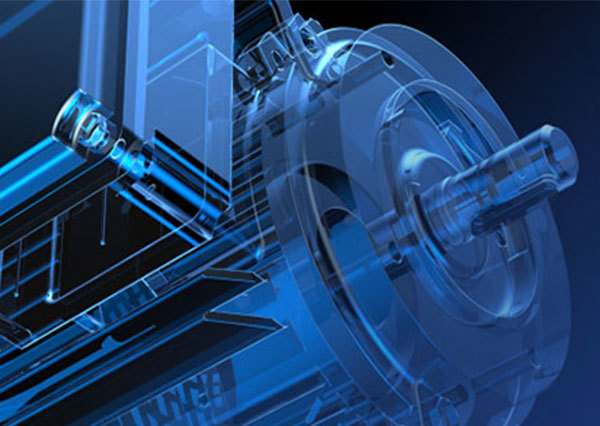
Understanding Three-Phase Asynchronous Motors: A Key Component in Automotive Electric Systems
Nov 17,2025
Three-phase asynchronous motors, also known as induction motors, are a pivotal element in the field of automotive electronics and electric components, particularly in starter motors and various automotive drives. Their design and operation principles make them exceptionally efficient for many applications, making them a popular choice in the automotive industry.
At the core of a three-phase asynch
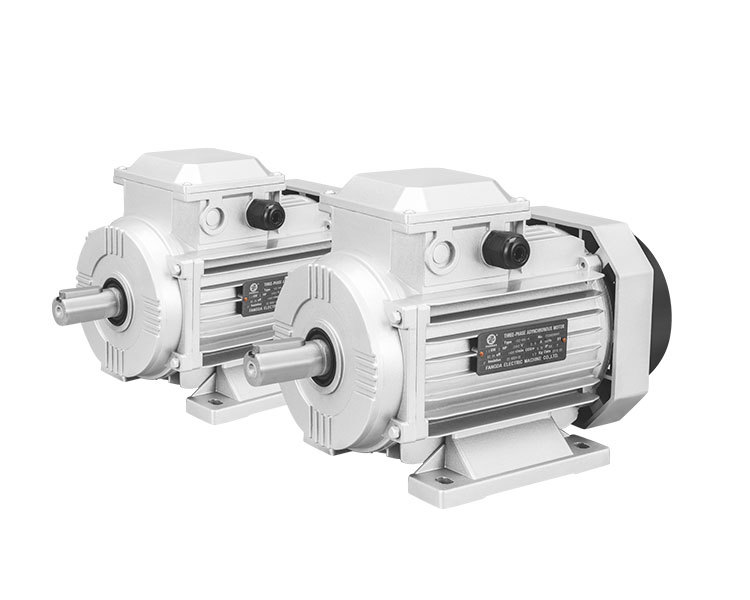
Three-phase asynchronous motors, also known as induction motors, are a pivotal element in the field of automotive electronics and electric components, particularly in starter motors and various automotive drives. Their design and operation principles make them exceptionally efficient for many applications, making them a popular choice in the automotive industry.
At the core of a three-phase asynchronous motor is the rotating magnetic field generated by three-phase alternating current. This magnetic field induces current in the rotor, leading to the motor's rotation. The absence of electrical connections to the rotor allows for robust performance and reduced maintenance needs, making these motors highly reliable in automotive environments where durability is essential.
One of the primary advantages of three-phase asynchronous motors is their operational efficiency. They can handle varying loads and maintain consistent performance levels, which is crucial for automotive applications that require reliable starting and running conditions. Their ability to start under load is particularly beneficial in starter motor applications, where high torque is necessary to initiate the engine.
Another significant benefit of three-phase asynchronous motors lies in their simple design and construction. They consist of fewer parts compared to other motor types, which results in lower manufacturing costs and easier maintenance. This simplicity translates to fewer failure points, enhancing reliability—a critical aspect for automotive components that must perform in challenging conditions.
In the context of automotive applications, three-phase asynchronous motors are employed in several systems, including power steering, electric windows, and various traction systems. Their adaptability to different operational environments makes them an ideal choice for modern vehicles, which increasingly rely on electric systems for enhanced performance and efficiency.
Furthermore, these motors can be effectively controlled using variable frequency drives (VFDs), allowing for precise control over speed and torque. This capability is particularly useful in applications where performance requirements can vary, enabling manufacturers to optimize vehicle efficiency and response.
In summary, the three-phase asynchronous motor plays a crucial role in the automotive industry's electric and electronic systems. Its efficiency, reliability, and adaptability make it a preferred choice for various applications, including starter motors and electric drives. As vehicles continue to evolve toward greater electrification, understanding the significance of these motors is essential for industry professionals aiming to leverage the latest technologies in automotive design and functionality. By recognizing the benefits of three-phase asynchronous motors, stakeholders in the automotive sector can make informed decisions that enhance product performance and consumer satisfaction.
At the core of a three-phase asynchronous motor is the rotating magnetic field generated by three-phase alternating current. This magnetic field induces current in the rotor, leading to the motor's rotation. The absence of electrical connections to the rotor allows for robust performance and reduced maintenance needs, making these motors highly reliable in automotive environments where durability is essential.
One of the primary advantages of three-phase asynchronous motors is their operational efficiency. They can handle varying loads and maintain consistent performance levels, which is crucial for automotive applications that require reliable starting and running conditions. Their ability to start under load is particularly beneficial in starter motor applications, where high torque is necessary to initiate the engine.
Another significant benefit of three-phase asynchronous motors lies in their simple design and construction. They consist of fewer parts compared to other motor types, which results in lower manufacturing costs and easier maintenance. This simplicity translates to fewer failure points, enhancing reliability—a critical aspect for automotive components that must perform in challenging conditions.
In the context of automotive applications, three-phase asynchronous motors are employed in several systems, including power steering, electric windows, and various traction systems. Their adaptability to different operational environments makes them an ideal choice for modern vehicles, which increasingly rely on electric systems for enhanced performance and efficiency.
Furthermore, these motors can be effectively controlled using variable frequency drives (VFDs), allowing for precise control over speed and torque. This capability is particularly useful in applications where performance requirements can vary, enabling manufacturers to optimize vehicle efficiency and response.
In summary, the three-phase asynchronous motor plays a crucial role in the automotive industry's electric and electronic systems. Its efficiency, reliability, and adaptability make it a preferred choice for various applications, including starter motors and electric drives. As vehicles continue to evolve toward greater electrification, understanding the significance of these motors is essential for industry professionals aiming to leverage the latest technologies in automotive design and functionality. By recognizing the benefits of three-phase asynchronous motors, stakeholders in the automotive sector can make informed decisions that enhance product performance and consumer satisfaction.


Contact
E-mail :
Tel/ WhatsApp:
Address:
Daxi Industrial District, Daxi Town, Wenling City, Zhejiang, China
Daxi Industrial District, Daxi Town, Wenling City, Zhejiang, China
