WELCOME TO FANGDA ELECTRIC MACHINE CO..LTD



Future Trends in Three-Phase Asynchronous Motors for Power Generation
Dec 31,2025
Future Trends in Three-Phase Asynchronous Motors for Power Generation
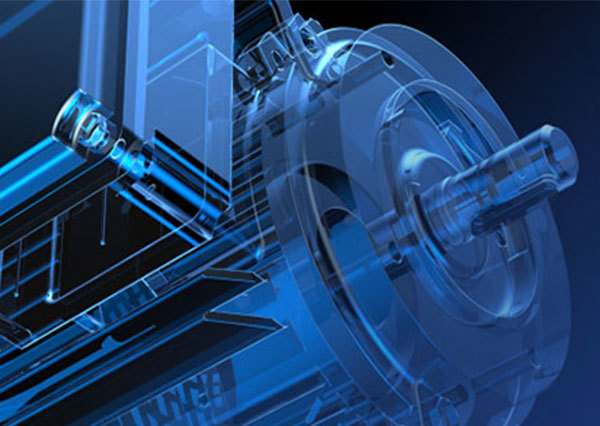
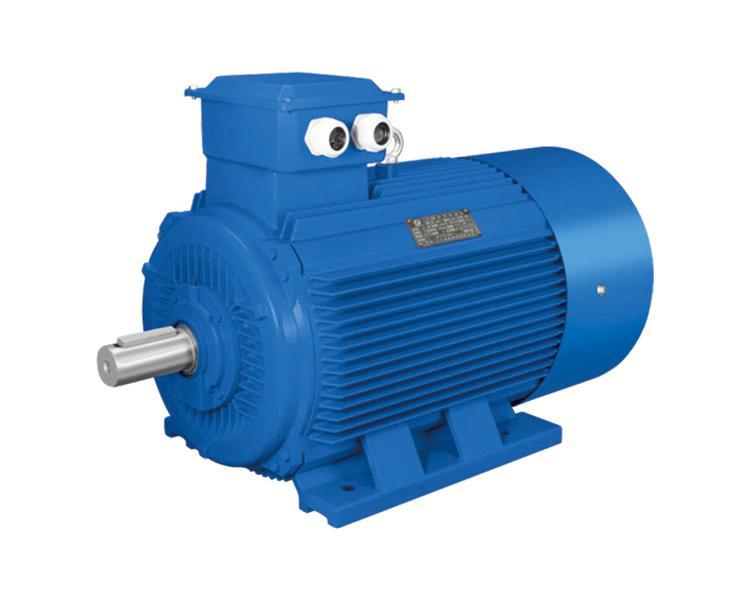
Three-phase asynchronous motors are at the forefront of power generation technology, playing an indispensable role in various electrical applications. As the demand for efficient and sustainable energy sources continues to rise, the evolution of these motors is crucial. This article examines the latest trends, innovations, and future prospects of three-phase asynchronous motors, focusing on their applications, efficiency enhancements, and the influence of emerging technologies.
Table of Contents
- 1. Introduction to Three-Phase Asynchronous Motors
- 2. Importance of Three-Phase Asynchronous Motors in Power Generation
- 3. Recent Advancements in Motor Technology
- 4. Enhancing Energy Efficiency in Power Generation
- 5. Sustainability and Environmental Impact
- 6. Emerging Technologies Shaping the Future
- 7. Market Trends and Forecasts for Three-Phase Asynchronous Motors
- 8. Conclusion
- 9. Frequently Asked Questions (FAQs)
1. Introduction to Three-Phase Asynchronous Motors
Three-phase asynchronous motors, commonly referred to as induction motors, operate based on electromagnetic induction. Unlike synchronous motors, which require an external power source for their magnetic field, asynchronous motors generate their own magnetic field, allowing for a simpler design and robust performance. These motors are characterized by their versatility, reliability, and efficiency, making them the preferred choice for many industrial applications and power generation systems.
2. Importance of Three-Phase Asynchronous Motors in Power Generation
In the realm of power generation, three-phase asynchronous motors are indispensable. They are widely used in wind turbines, hydroelectric plants, and various other renewable energy sources. Their significance arises from key factors:
- High Efficiency: These motors are known for their high efficiency, especially in large-scale applications.
- Cost-Effectiveness: With lower initial costs and reduced maintenance expenses, they offer an attractive return on investment.
- Robustness: Their durability and reliability under various environmental conditions make them ideal for power generation.
3. Recent Advancements in Motor Technology
The evolution of three-phase asynchronous motors has been driven by innovations aimed at enhancing performance and efficiency. Some of the most notable advancements include:
3.1 Smart Motor Control Systems
Integrating smart control systems enhances the functionality of three-phase asynchronous motors. These systems allow for real-time monitoring and diagnostics, enabling predictive maintenance and improved operational efficiency.
3.2 Improved Materials and Design
The use of advanced materials, such as high-performance alloys and composites, has led to motors that can operate at higher temperatures and efficiencies. Innovative design practices, including optimized rotor and stator configurations, contribute to reduced energy losses.
3.3 Variable Frequency Drives (VFDs)
VFDs enable precise control over motor speed and torque, facilitating better integration with renewable energy sources. This adaptability enhances the overall efficiency of power generation systems.
4. Enhancing Energy Efficiency in Power Generation
As global energy demands escalate, enhancing the energy efficiency of power generation systems becomes imperative. Three-phase asynchronous motors are pivotal in this endeavor through:
4.1 High-Efficiency Designs
Many manufacturers are focusing on producing high-efficiency motors that meet or exceed international efficiency standards (IE2, IE3, IE4). These motors minimize energy wastage during operation, significantly lowering operational costs.
4.2 Optimized Operating Conditions
Implementing advanced control strategies allows for the optimization of motor operation under varying load conditions. This adaptability ensures that motors run at peak efficiency, contributing to overall energy savings.
4.3 Waste Heat Recovery Systems
Integrating waste heat recovery systems with three-phase asynchronous motors can harness excess heat generated during operation, converting it into usable energy. This approach not only boosts efficiency but also mitigates environmental impact.
5. Sustainability and Environmental Impact
With the growing emphasis on sustainability in the energy sector, three-phase asynchronous motors are uniquely positioned to contribute to environmental conservation:
5.1 Renewable Energy Integration
Three-phase asynchronous motors are essential in wind and solar power generation, converting mechanical energy into electrical energy efficiently. Their adaptability to renewable sources supports the global transition towards sustainable energy.
5.2 Reduced Carbon Footprint
By improving energy efficiency and integrating with renewable systems, these motors help reduce greenhouse gas emissions, supporting global efforts to combat climate change.
5.3 Recycling and End-of-Life Considerations
Advancements in recycling technologies allow for the reclamation of materials from outdated motors, reducing waste and promoting a circular economy in the manufacturing sector.
6. Emerging Technologies Shaping the Future
The future of three-phase asynchronous motors is being shaped by several emerging technologies:
6.1 Internet of Things (IoT)
The IoT facilitates enhanced monitoring and control of motor systems. IoT-enabled motors can provide data on performance metrics, enabling more informed decision-making and predictive maintenance strategies.
6.2 Artificial Intelligence (AI)
AI algorithms can analyze operational data from motors to optimize performance, predict failures, and enhance efficiency, providing a paradigm shift in how motors are managed in power generation.
6.3 Advanced Simulation and Modeling
Using sophisticated simulation tools, engineers can model motor performance under various conditions, identifying potential improvements and innovations before implementation.
7. Market Trends and Forecasts for Three-Phase Asynchronous Motors
The global market for three-phase asynchronous motors is expected to grow significantly in the coming years, driven by several factors:
7.1 Increasing Demand for Energy Efficiency
Industries are increasingly focusing on energy-efficient solutions due to rising energy costs and regulatory pressures, propelling the demand for high-performance motors.
7.2 Growth of Renewable Energy Sectors
As countries invest heavily in renewable energy infrastructure, the need for reliable power generation systems, including three-phase asynchronous motors, will likely surge.
7.3 Technological Advancements
Continuous improvements in motor technology and control systems will further enhance the attractiveness of three-phase asynchronous motors, ensuring their relevance in future power generation scenarios.
8. Conclusion
Three-phase asynchronous motors are integral to the future of power generation. As industries worldwide seek greater efficiency and sustainability, the advancements in these motors will play a pivotal role in meeting energy demands while minimizing environmental impact. Innovations such as smart control systems, AI integration, and enhanced materials are just a few trends shaping this technology's future. By staying abreast of these developments, stakeholders in the energy sector can harness the full potential of three-phase asynchronous motors, ensuring a reliable and sustainable energy future.
9. Frequently Asked Questions (FAQs)
What are three-phase asynchronous motors?
Three-phase asynchronous motors are electric motors that operate on the principle of electromagnetic induction, generating their own magnetic field without the need for an external power source.
How do three-phase asynchronous motors differ from synchronous motors?
Unlike synchronous motors that require an external power source to maintain their magnetic field, asynchronous motors generate their magnetic field through the interaction of the stator and rotor fields.
What are the efficiency ratings for three-phase asynchronous motors?
Efficiency ratings for these motors are categorized under international standards such as IE2, IE3, and IE4, with higher ratings indicating greater energy efficiency.
What role do three-phase asynchronous motors play in renewable energy?
These motors are widely used in renewable energy applications, such as wind turbines and hydroelectric plants, converting mechanical energy into electrical energy efficiently.
What are the future trends in motor technology?
Emerging trends include the integration of IoT for enhanced monitoring, AI for optimizing performance, and advancements in materials and designs to improve efficiency and sustainability.


Contact
E-mail :
Tel/ WhatsApp:
Address:
Daxi Industrial District, Daxi Town, Wenling City, Zhejiang, China
Daxi Industrial District, Daxi Town, Wenling City, Zhejiang, China
