WELCOME TO FANGDA ELECTRIC MACHINE CO..LTD



Why Choose Single-Phase Asynchronous Motors for Your Power Needs?
Jan 12,2026
Why Choose Single-Phase Asynchronous Motors for Your Power Needs?
Table of Contents
Introduction to Single-Phase Asynchronous Motors
What Are Single-Phase Asynchronous Motors?
Benefits of Single-Phase Asynchronous Motors
Applications of Single-Phase Asynchronous Motors
How Single-Phase Asynchronous Motors Work
Comparison with Three-Phase Motors
Maintenance Tips for Sin
Why Choose Single-Phase Asynchronous Motors for Your Power Needs?
Table of Contents
- Introduction to Single-Phase Asynchronous Motors
- What Are Single-Phase Asynchronous Motors?
- Benefits of Single-Phase Asynchronous Motors
- Applications of Single-Phase Asynchronous Motors
- How Single-Phase Asynchronous Motors Work
- Comparison with Three-Phase Motors
- Maintenance Tips for Single-Phase Asynchronous Motors
- Conclusion
- Frequently Asked Questions
Introduction to Single-Phase Asynchronous Motors
Single-phase asynchronous motors have become a staple in various industrial and domestic applications due to their efficiency and reliability. These motors are particularly favored in scenarios where three-phase power is either unavailable or impractical. This article delves into the many reasons why single-phase asynchronous motors can be the ideal choice for your power needs, highlighting their benefits, applications, and operational principles.
What Are Single-Phase Asynchronous Motors?
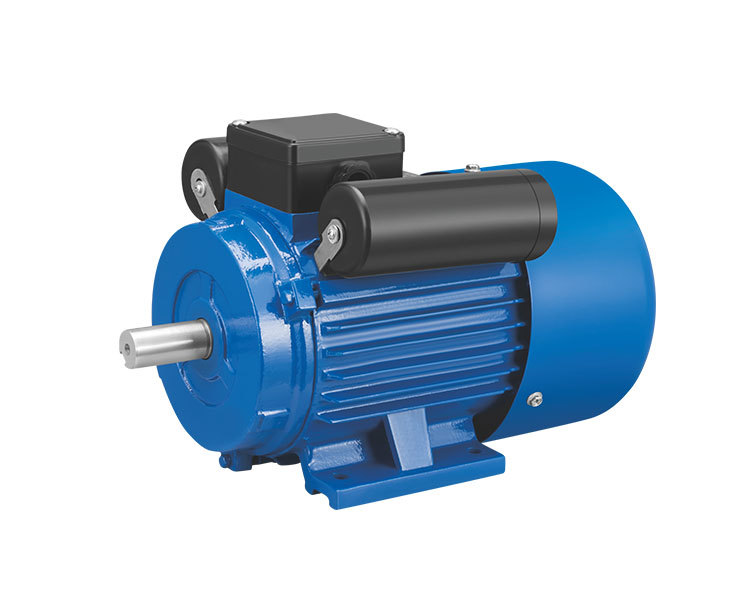
Single-phase asynchronous motors are a type of electric motor that operates on a single-phase electrical supply. Unlike their three-phase counterparts, these motors utilize a single alternating current (AC) phase to generate rotational motion. The asynchronous nature indicates that the rotor does not necessarily rotate at the same speed as the magnetic field produced by the stator, allowing for various applications in both industrial and residential settings.
Benefits of Single-Phase Asynchronous Motors
When considering your power requirements, the benefits of single-phase asynchronous motors are noteworthy:
1. Cost-Effectiveness
Single-phase asynchronous motors are generally more affordable than three-phase motors. Their simpler design leads to lower manufacturing costs, which can be a decisive factor for small businesses and DIY projects.
2. Easy Installation
These motors are easy to install and do not require complex wiring systems. This simplicity makes them ideal for small-scale applications where setup time and expense are critical considerations.
3. Low Maintenance Needs
With fewer moving parts than three-phase motors, single-phase asynchronous motors have lower maintenance requirements. Their robust construction allows them to function effectively with minimal wear and tear.
4. Versatility
Single-phase asynchronous motors are suitable for a wide range of applications, from household appliances to various industrial machines. Their adaptability makes them a go-to choice for many power needs.
5. Reliability
These motors are known for their durability and reliability, providing consistent performance over time. Their ability to operate in various conditions further solidifies their reputation.
Applications of Single-Phase Asynchronous Motors
The versatility of single-phase asynchronous motors lends them to a variety of applications:
1. Household Appliances
Common household appliances, such as fans, washing machines, and refrigerators, frequently utilize single-phase asynchronous motors for their reliable and efficient operation.
2. Small Industrial Equipment
In small-scale manufacturing settings, these motors are often used in conveyors, pumps, and compressors, showcasing their adaptability to light industrial tasks.
3. HVAC Systems
Heating, ventilation, and air conditioning (HVAC) systems often rely on single-phase motors to operate fans and compressors, ensuring efficient climate control in residential and commercial buildings.
4. Power Tools
Many electric power tools, including drills, saws, and grinders, utilize single-phase asynchronous motors for their simplicity and effective performance.
5. Agricultural Equipment
In agriculture, these motors power equipment such as irrigation pumps and other machinery, proving their effectiveness in outdoor settings.
How Single-Phase Asynchronous Motors Work
Understanding the operational principles of single-phase asynchronous motors is crucial for leveraging their capabilities:
1. Basic Operation
The motor's operation begins when alternating current flows through the stator windings, creating a rotating magnetic field. As the rotor receives this magnetic field, it starts to rotate at a speed slightly less than the synchronous speed, characteristic of asynchronous motors.
2. Starting Mechanisms
Single-phase asynchronous motors typically require a starting mechanism, such as a capacitor or a shaded pole, to initiate motion. These mechanisms help create the phase difference necessary for starting the motor effectively.
3. Speed Control
Although single-phase asynchronous motors are primarily fixed-speed devices, speed can be modified through various methods, including changing the supply frequency or using variable frequency drives (VFDs).
Comparison with Three-Phase Motors
Understanding the differences between single-phase and three-phase motors can help you make informed decisions:
1. Power Supply
Three-phase motors require a three-phase power supply, which is often more reliable for industrial applications. In contrast, single-phase motors operate effectively on standard residential power supplies.
2. Efficiency
Three-phase motors generally offer higher efficiency and better torque characteristics, making them ideal for heavy industrial applications. However, single-phase motors suffice for lighter tasks with lower power requirements.
3. Starting Torque
Three-phase motors provide higher starting torque, making them suitable for applications requiring immediate high power. Single-phase motors, while adequate for many uses, may struggle with high initial load conditions.
4. Motor Complexity
Single-phase motors are simpler in design and thus easier to maintain. Three-phase motors, while offering superior performance, can be more complex and require specialized knowledge for maintenance.
Maintenance Tips for Single-Phase Asynchronous Motors
To ensure optimal performance and longevity of single-phase asynchronous motors, follow these maintenance tips:
1. Regular Inspections
Conduct regular visual inspections to check for signs of wear, loose connections, or overheating. Early detection of issues can prevent more significant problems.
2. Cleanliness
Keep the motor and its surroundings clean to prevent dust and debris buildup, which can impact performance and cause overheating.
3. Lubrication
Regularly lubricate bearings and other moving parts as per the manufacturer’s recommendations to reduce friction and wear.
4. Check Electrical Connections
Inspect electrical connections for signs of corrosion or wear. Ensuring tight and clean connections helps maintain efficient operation.
5. Monitor Performance
Keep an eye on motor performance, including any unusual noises or vibrations, as these can indicate underlying issues that require attention.
Conclusion
Single-phase asynchronous motors present a multitude of advantages for various applications, particularly when three-phase power is impractical. Their cost-effectiveness, ease of installation, low maintenance needs, and reliability make them an excellent choice for both residential and industrial power solutions. Whether you're powering household appliances, small machinery, or HVAC systems, understanding the benefits and operational mechanics of single-phase asynchronous motors can lead you to make an informed decision tailored to your specific power needs.
Frequently Asked Questions
1. What is a single-phase asynchronous motor?
A single-phase asynchronous motor is an electric motor that operates on a single-phase power supply, generating rotational motion driven by an alternating current.
2. How do single-phase asynchronous motors differ from three-phase motors?
Single-phase motors utilize a single phase of power and are simpler in design, while three-phase motors use three phases, providing higher efficiency and torque.
3. What are the common applications for single-phase asynchronous motors?
These motors are commonly found in household appliances, small industrial equipment, HVAC systems, power tools, and agricultural machinery.
4. How can I maintain a single-phase asynchronous motor?
Regular inspections, cleanliness, lubrication, checking electrical connections, and monitoring performance are essential for maintaining single-phase asynchronous motors.
5. Can I use a single-phase motor in industrial applications?
Yes, single-phase asynchronous motors can be used in light industrial applications, especially in scenarios where three-phase power is unavailable.
This extensive exploration of single-phase asynchronous motors provides a comprehensive understanding of why they are a solid choice for your power needs. Emphasizing their benefits and various applications, this guide equips you with the knowledge needed to make informed decisions regarding your electrical systems.


Contact
E-mail :
Tel/ WhatsApp:
Address:
Daxi Industrial District, Daxi Town, Wenling City, Zhejiang, China
Daxi Industrial District, Daxi Town, Wenling City, Zhejiang, China
