WELCOME TO FANGDA ELECTRIC MACHINE CO..LTD



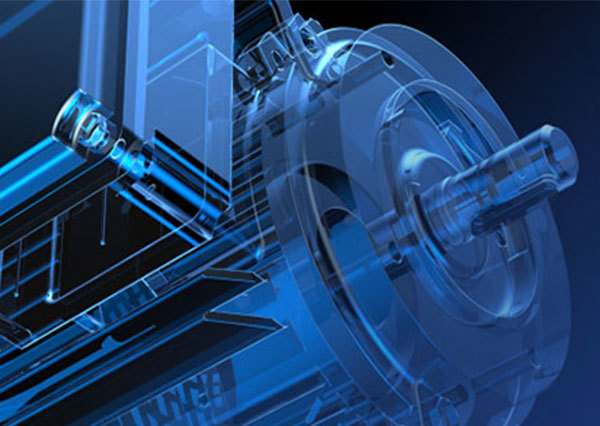
Three-Phase Asynchronous Motors: Comprehensive FAQs Answered for Electric Power Generation
Jan 20,2026
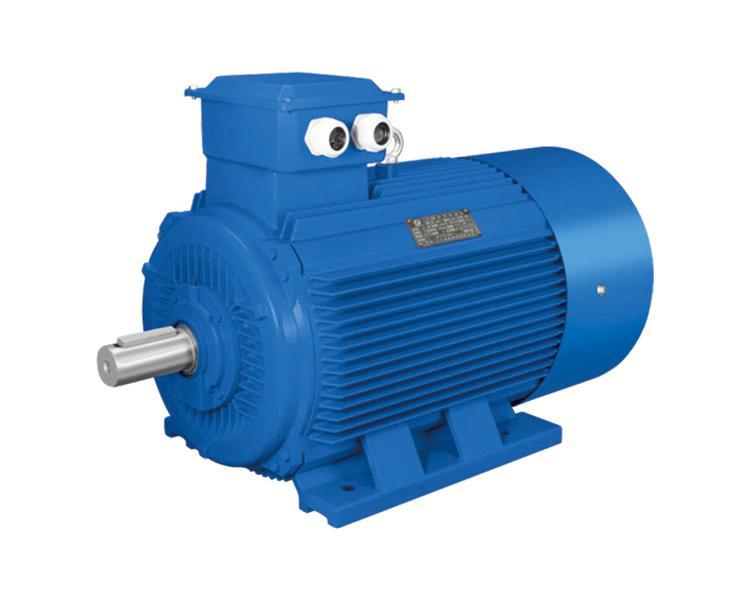
Three-Phase Asynchronous Motors: FAQs Answered for Electric Power Generation
In the world of electric power generation, three-phase asynchronous motors play a pivotal role. Their efficiency, reliability, and versatility make them a preferred choice in many industrial applications. This article aims to address common questions surrounding three-phase asynchronous motors, providing readers with a comprehensive understanding of their operation, benefits, and maintenance. Let's delve into the details.
Table of Contents
- Introduction to Three-Phase Asynchronous Motors
- How Do Three-Phase Asynchronous Motors Work?
- Advantages of Three-Phase Asynchronous Motors
- Applications of Three-Phase Asynchronous Motors
- Maintenance Tips for Three-Phase Asynchronous Motors
- Troubleshooting Common Issues
- Environmental Considerations and Sustainability
- The Future of Three-Phase Asynchronous Motors
- Frequently Asked Questions
- Conclusion
Introduction to Three-Phase Asynchronous Motors
Three-phase asynchronous motors, also known as induction motors, are widely used in various sectors including manufacturing, power generation, and HVAC systems. These motors operate on the principle of electromagnetic induction, developed by Nikola Tesla over a century ago. Understanding their structure and functioning is crucial for anyone involved in engineering, maintenance, or application of electrical systems.
The Basic Structure of Three-Phase Asynchronous Motors
At their core, three-phase asynchronous motors consist of two main components: the stator and the rotor. The stator is the stationary part that generates a rotating magnetic field when powered by a three-phase supply. The rotor, which is placed inside the stator, is induced to rotate by this magnetic field. This interaction between the stator's magnetic field and the rotor creates torque, making the motor run.
Key Concepts: Synchronous vs Asynchronous
In synchronous motors, the rotor rotates at the same speed as the stator's magnetic field. In contrast, asynchronous motors have a slip; meaning the rotor lags behind the magnetic field. This slip is essential for the operation of the motor, contributing to its efficiency in various applications, particularly in situations requiring variable loads.
How Do Three-Phase Asynchronous Motors Work?
The operation of three-phase asynchronous motors can be explained through several key processes:
1. Creating a Rotating Magnetic Field
When a three-phase current flows through the stator winding, it creates a rotating magnetic field. The direction of the field depends on the sequence of the phases. This field rotates at a synchronous speed, determined by the number of poles in the motor and the frequency of the supply current.
2. Induction in the Rotor
The rotating magnetic field induces an electromotive force in the rotor’s conductors through electromagnetic induction. This induced current creates another magnetic field in the rotor, which interacts with the stator's magnetic field, resulting in torque that causes the rotor to turn.
3. Slip and Rotor Speed
The difference between the synchronous speed of the stator's magnetic field and the actual speed of the rotor is referred to as slip. Slip is essential for inducing current in the rotor and is usually expressed as a percentage of the synchronous speed. The motor's torque increases with slip up to a certain limit, beyond which the motor may stall.
Advantages of Three-Phase Asynchronous Motors
Three-phase asynchronous motors offer numerous benefits that make them ideal for various applications:
1. Simplicity and Durability
With fewer moving parts compared to other motor types, three-phase asynchronous motors are inherently more robust. Their simple design leads to reduced maintenance needs and an increased lifespan.
2. High Efficiency
These motors are highly efficient, especially at full load. They tend to have lower energy consumption, making them an environmentally friendly option for electric power generation.
3. Cost-Effectiveness
Three-phase asynchronous motors are generally less expensive to manufacture and maintain than synchronous motors. Their widespread availability makes them a cost-effective choice for businesses.
4. Smooth Operation
The smooth operation of three-phase asynchronous motors minimizes vibrations and noise, making them suitable for applications where quiet performance is essential.
Applications of Three-Phase Asynchronous Motors
Three-phase asynchronous motors find utility across various industries:
1. Manufacturing Industries
These motors are used to drive machinery such as conveyor belts, fans, pumps, and compressors. Their reliability ensures consistent performance in manufacturing processes.
2. HVAC Systems
In heating, ventilation, and air conditioning systems, three-phase asynchronous motors are employed to drive blowers and pumps, providing efficient temperature and air quality control.
3. Electric Power Generation
In power generation, asynchronous motors are utilized for driving generators and turbines. Their ability to handle variable loads makes them ideal for dynamic environments.
Maintenance Tips for Three-Phase Asynchronous Motors
To ensure the long-term efficiency and reliability of three-phase asynchronous motors, proper maintenance is essential:
1. Regular Inspections
Conduct periodic inspections to check for signs of wear and tear, loose connections, or overheating. Early detection of issues can prevent costly repairs.
2. Lubrication of Bearings
Maintaining proper lubrication of motor bearings is crucial to reduce friction and heat. Use the manufacturer's recommended lubricants and follow a regular schedule for reapplication.
3. Cleaning
Dust and debris can impede motor performance. Keep the motor and its surroundings clean, ensuring that air intakes remain unobstructed.
Troubleshooting Common Issues
Even with proper maintenance, issues can arise. Here are some common problems and solutions:
1. Overheating
If the motor overheats, check for adequate ventilation, overload conditions, or electrical issues. Addressing these factors can restore normal operation.
2. Vibration Problems
Excessive vibration may indicate misalignment or imbalance. Ensure that the motor is correctly aligned with the load and that all components are securely fastened.
3. Starting Problems
Starting issues can stem from inadequate power supply or defective components. Inspect power connections and test motor windings for continuity.
Environmental Considerations and Sustainability
As industries push for sustainability, three-phase asynchronous motors contribute to reduced energy consumption and lower emissions. Their efficiency translates to less power required for operation, aligning with global efforts toward cleaner energy solutions.
The Future of Three-Phase Asynchronous Motors
The future of three-phase asynchronous motors looks promising. Advances in technology, such as enhanced materials and smart monitoring systems, are set to improve efficiency and operational capabilities further. Integration with renewable energy sources, like solar and wind, will also expand their application scope and contribute to sustainable development goals.
Frequently Asked Questions
1. What is the primary difference between three-phase and single-phase motors?
Three-phase motors offer a more constant torque and higher efficiency compared to single-phase motors, making them better suited for industrial applications.
2. Can three-phase asynchronous motors be used with variable frequency drives (VFDs)?
Yes, three-phase asynchronous motors can be effectively controlled using VFDs, allowing for speed regulation and energy savings.
3. What are the typical maintenance intervals for three-phase asynchronous motors?
Maintenance intervals depend on usage. Generally, quarterly inspections and annual comprehensive checks are advisable.
4. How do I determine the appropriate size of a three-phase asynchronous motor for my application?
Consider factors such as load requirements, application type, and environmental conditions when sizing a motor. Consulting with an expert can provide tailored recommendations.
5. Are three-phase asynchronous motors suitable for outdoor applications?
Yes, but proper enclosures must be used for protection against environmental elements. Look for motors with suitable IP ratings for outdoor use.
Conclusion
Three-phase asynchronous motors are integral to modern electric power generation and industrial applications. Their efficiency, durability, and versatility make them an optimal choice for various settings. By understanding their operation, benefits, and maintenance needs, professionals can harness their capabilities effectively. As technology advances, the future of three-phase asynchronous motors is bright, promising even greater efficiency and sustainability in the ever-evolving landscape of electric power systems.


Contact
E-mail :
Tel/ WhatsApp:
Address:
Daxi Industrial District, Daxi Town, Wenling City, Zhejiang, China
Daxi Industrial District, Daxi Town, Wenling City, Zhejiang, China
