WELCOME TO FANGDA ELECTRIC MACHINE CO..LTD



Understanding Single-Phase Asynchronous Motors: Principles, Applications, and Benefits
Jan 22,2026
Single-phase asynchronous motors, commonly referred to as induction motors, are widely used in various applications due to their simplicity and reliability. Unlike their three-phase counterparts, single-phase motors are powered by a single alternating current (AC) phase, making them suitable for small-scale applications. Their working principle is based on the interaction between a rotating magnet
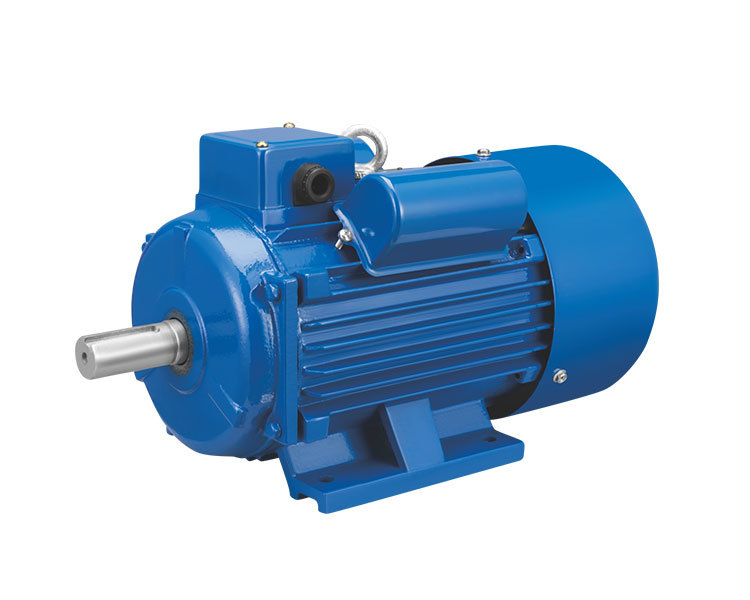
Single-phase asynchronous motors, commonly referred to as induction motors, are widely used in various applications due to their simplicity and reliability. Unlike their three-phase counterparts, single-phase motors are powered by a single alternating current (AC) phase, making them suitable for small-scale applications. Their working principle is based on the interaction between a rotating magnetic field produced by the stator and the rotor, which induces motion.
One of the key features of single-phase asynchronous motors is their design. Typically, they consist of a stator with coils that generate a magnetic field when energized and a rotor that rotates within this field. When the AC current flows through the motor, it creates a magnetic field that rotates at synchronous speed, while the rotor, which is not directly connected to the power supply, lags behind, creating a slip. This slip is crucial for the operation of the motor since it induces the current necessary for the rotor to turn.
These motors are particularly favored in residential and light industrial applications, such as fans, pumps, and small machinery, where high starting torque is not essential. They can be divided into two main types: split-phase and capacitor-start motors. Split-phase motors use two windings—one main and one auxiliary—to create the necessary phase difference for starting. In contrast, capacitor-start motors use a capacitor in the auxiliary winding to enhance starting torque, making them more efficient in starting larger loads.
In terms of benefits, single-phase asynchronous motors are generally more compact and less expensive than three-phase motors, making them an ideal choice for smaller applications. Their robust design means they require minimal maintenance, and they operate well in various environmental conditions. Furthermore, their simplicity in construction allows for easier installation and troubleshooting, which can significantly reduce downtime in a work setting.
However, it is essential to recognize the limitations of single-phase asynchronous motors. They may not perform as efficiently as three-phase motors under heavier loads, and their starting torque is typically lower, which can be a disadvantage in some applications. Nevertheless, their versatility and reliability make them a mainstay in the electrical and power generation industries.
In conclusion, single-phase asynchronous motors play a vital role in the electrical engineering sector. Understanding their operational principles, applications, and benefits can help professionals make informed decisions when selecting the appropriate motor for their projects. Whether used in everyday appliances or specialized equipment, these motors continue to be an essential component in modern electrical systems.
One of the key features of single-phase asynchronous motors is their design. Typically, they consist of a stator with coils that generate a magnetic field when energized and a rotor that rotates within this field. When the AC current flows through the motor, it creates a magnetic field that rotates at synchronous speed, while the rotor, which is not directly connected to the power supply, lags behind, creating a slip. This slip is crucial for the operation of the motor since it induces the current necessary for the rotor to turn.
These motors are particularly favored in residential and light industrial applications, such as fans, pumps, and small machinery, where high starting torque is not essential. They can be divided into two main types: split-phase and capacitor-start motors. Split-phase motors use two windings—one main and one auxiliary—to create the necessary phase difference for starting. In contrast, capacitor-start motors use a capacitor in the auxiliary winding to enhance starting torque, making them more efficient in starting larger loads.
In terms of benefits, single-phase asynchronous motors are generally more compact and less expensive than three-phase motors, making them an ideal choice for smaller applications. Their robust design means they require minimal maintenance, and they operate well in various environmental conditions. Furthermore, their simplicity in construction allows for easier installation and troubleshooting, which can significantly reduce downtime in a work setting.
However, it is essential to recognize the limitations of single-phase asynchronous motors. They may not perform as efficiently as three-phase motors under heavier loads, and their starting torque is typically lower, which can be a disadvantage in some applications. Nevertheless, their versatility and reliability make them a mainstay in the electrical and power generation industries.
In conclusion, single-phase asynchronous motors play a vital role in the electrical engineering sector. Understanding their operational principles, applications, and benefits can help professionals make informed decisions when selecting the appropriate motor for their projects. Whether used in everyday appliances or specialized equipment, these motors continue to be an essential component in modern electrical systems.


Contact
E-mail :
Tel/ WhatsApp:
Address:
Daxi Industrial District, Daxi Town, Wenling City, Zhejiang, China
Daxi Industrial District, Daxi Town, Wenling City, Zhejiang, China
