WELCOME TO FANGDA ELECTRIC MACHINE CO..LTD



Understanding Three-Phase Asynchronous Motors: A Key Component in Automotive Electrical Systems
Feb 19,2026
Three-phase asynchronous motors, also known as induction motors, play a pivotal role in the automotive electrical landscape. These motors are designed to operate on three-phase alternating current (AC) power, making them a popular choice in various industrial and automotive applications due to their reliability and efficiency.
One of the defining features of three-phase asynchronous motors is thei
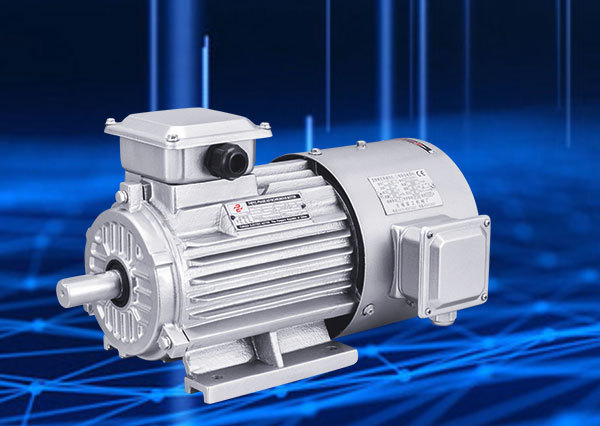
Three-phase asynchronous motors, also known as induction motors, play a pivotal role in the automotive electrical landscape. These motors are designed to operate on three-phase alternating current (AC) power, making them a popular choice in various industrial and automotive applications due to their reliability and efficiency.
One of the defining features of three-phase asynchronous motors is their design, which includes a stator and a rotor. The stator generates a rotating magnetic field when electricity flows through its windings. This rotating field induces a current in the rotor, causing it to turn. Unlike synchronous motors, which require external means to maintain synchronization with the magnetic field, asynchronous motors operate at a speed that is lower than the synchronous speed, hence the name "asynchronous."
In automotive applications, three-phase asynchronous motors are often employed in electric power steering, air conditioning systems, and traction systems for electric vehicles. Their robust design and ability to handle variable loads make them ideal for these demanding environments. Engineers and automotive manufacturers favor these motors because they provide high torque at low speeds, which is essential for applications requiring immediate power and responsiveness.
The efficiency of three-phase asynchronous motors is another key advantage. They typically exhibit low energy losses, making them more sustainable choices for automotive electrical systems. This efficiency is particularly important in electric vehicles (EVs), where maximizing battery life and minimizing energy consumption directly impact performance and range.
Maintenance and reliability are further benefits of three-phase asynchronous motors. They generally require less upkeep compared to their brushed counterparts, as they have fewer moving parts that can wear down over time. This characteristic allows automotive engineers to design systems with greater longevity and lower total cost of ownership.
Moreover, the versatility of three-phase asynchronous motors makes them adaptable to various operating conditions. They can be configured in different ways to meet specific requirements, such as varying power outputs and speeds. This adaptability is essential in the automotive industry, where diverse applications necessitate varied motor specifications.
In conclusion, three-phase asynchronous motors are indispensable in the automotive sector, particularly in electronic and electrical components like starters and motors. Their operational efficiency, reliability, and adaptability make them a preferred choice for automotive applications, contributing to advancements in vehicle performance and energy sustainability. Understanding these motors is crucial for professionals in the automotive field, as they continue to evolve alongside technological innovations in electric mobility and automation.
One of the defining features of three-phase asynchronous motors is their design, which includes a stator and a rotor. The stator generates a rotating magnetic field when electricity flows through its windings. This rotating field induces a current in the rotor, causing it to turn. Unlike synchronous motors, which require external means to maintain synchronization with the magnetic field, asynchronous motors operate at a speed that is lower than the synchronous speed, hence the name "asynchronous."
In automotive applications, three-phase asynchronous motors are often employed in electric power steering, air conditioning systems, and traction systems for electric vehicles. Their robust design and ability to handle variable loads make them ideal for these demanding environments. Engineers and automotive manufacturers favor these motors because they provide high torque at low speeds, which is essential for applications requiring immediate power and responsiveness.
The efficiency of three-phase asynchronous motors is another key advantage. They typically exhibit low energy losses, making them more sustainable choices for automotive electrical systems. This efficiency is particularly important in electric vehicles (EVs), where maximizing battery life and minimizing energy consumption directly impact performance and range.
Maintenance and reliability are further benefits of three-phase asynchronous motors. They generally require less upkeep compared to their brushed counterparts, as they have fewer moving parts that can wear down over time. This characteristic allows automotive engineers to design systems with greater longevity and lower total cost of ownership.
Moreover, the versatility of three-phase asynchronous motors makes them adaptable to various operating conditions. They can be configured in different ways to meet specific requirements, such as varying power outputs and speeds. This adaptability is essential in the automotive industry, where diverse applications necessitate varied motor specifications.
In conclusion, three-phase asynchronous motors are indispensable in the automotive sector, particularly in electronic and electrical components like starters and motors. Their operational efficiency, reliability, and adaptability make them a preferred choice for automotive applications, contributing to advancements in vehicle performance and energy sustainability. Understanding these motors is crucial for professionals in the automotive field, as they continue to evolve alongside technological innovations in electric mobility and automation.


Contact
E-mail :
Tel/ WhatsApp:
Address:
Daxi Industrial District, Daxi Town, Wenling City, Zhejiang, China
Daxi Industrial District, Daxi Town, Wenling City, Zhejiang, China
