WELCOME TO FANGDA ELECTRIC MACHINE CO..LTD



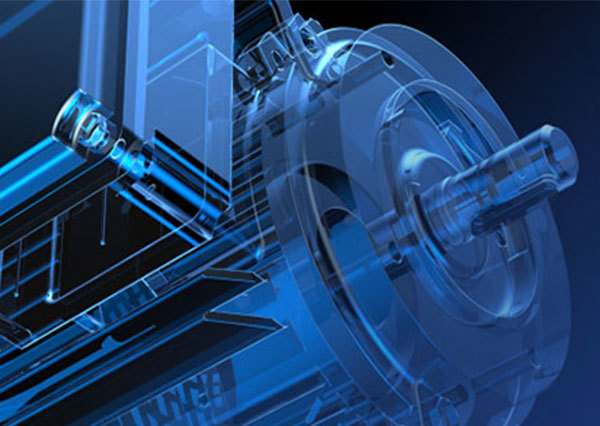
How to Diagnose Common Issues in Induction Motors Used in Generators
Feb 16,2026
How to Diagnose Common Issues in Induction Motors Used in Generators
Table of Contents
Understanding Induction Motors and Their Role in Generators
Common Issues with Induction Motors in Generators
Effective Diagnosis Methods for Induction Motors
Step-by-Step Troubleshooting Steps
Preventive Maintenance for Induction Motors
When to Call a Professional
Frequently Asked Questions
Con
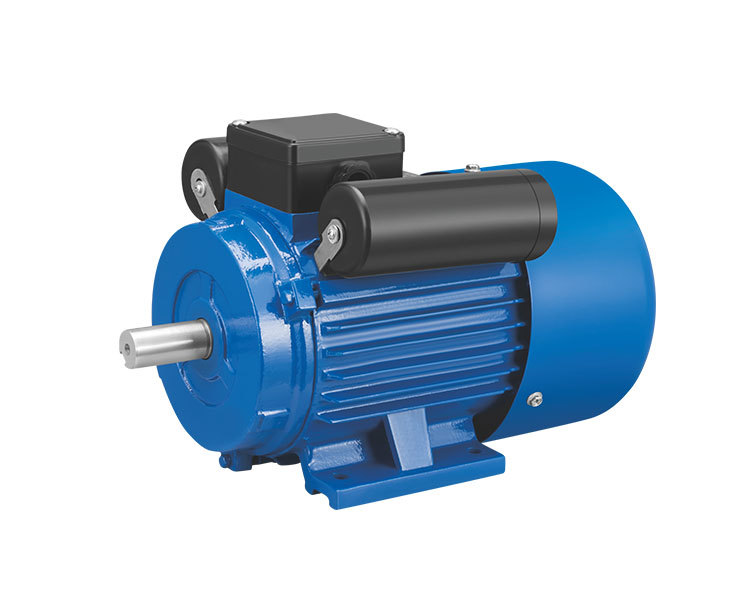
How to Diagnose Common Issues in Induction Motors Used in Generators
Table of Contents
- Understanding Induction Motors and Their Role in Generators
- Common Issues with Induction Motors in Generators
- Effective Diagnosis Methods for Induction Motors
- Step-by-Step Troubleshooting Steps
- Preventive Maintenance for Induction Motors
- When to Call a Professional
- Frequently Asked Questions
- Conclusion
Understanding Induction Motors and Their Role in Generators
Induction motors are pivotal components in the operation of generators, particularly in industrial and commercial applications. These motors convert electrical energy into mechanical energy through electromagnetic induction, allowing them to drive generators effectively. Their robust design, efficiency, and simplicity make them a preferred choice for various applications.
Induction motors operate on the principle of creating a rotating magnetic field, which induces electrical current in the rotor. This mechanism is essential for maintaining consistent and reliable power generation. Understanding how these motors function is crucial for diagnosing any issues that may arise during operation.
Common Issues with Induction Motors in Generators
Over time, induction motors can develop several issues that may affect their performance in generators. Recognizing these common problems is the first step toward effective diagnosis and resolution. Here are some prevalent issues:
1. Overheating
Overheating is one of the most common problems encountered in induction motors. This issue can stem from various sources, including excessive load, inadequate ventilation, and faulty bearings. Overheating can cause insulation breakdown and ultimately lead to motor failure.
2. Vibration Problems
Excessive vibration can occur due to misalignment, imbalance, or worn-out components. Vibration not only affects the motor's efficiency but can also lead to premature wear on the generator.
3. Electrical Issues
Electrical faults, such as short circuits or open circuits, can severely affect motor performance. These issues can result from poor connections, damaged wiring, or faulty components.
4. Mechanical Failures
Mechanical failures may include bearing wear, rotor damage, or shaft misalignment. Such problems can lead to operational inefficiencies and increased maintenance costs.
5. Insulation Failure
Insulation failure in the windings can lead to short circuits and overheating. Regular insulation testing is essential to detect potential issues before they escalate.
Effective Diagnosis Methods for Induction Motors
Diagnosing issues in induction motors requires a systematic approach. Here, we outline several effective diagnosis methods that can assist in identifying problems accurately.
1. Visual Inspection
Starting with a thorough visual inspection can reveal obvious signs of wear, damage, or overheating. Look for discoloration, burnt smells, or physical damage to components such as cables, terminals, and housing.
2. Vibration Analysis
Utilizing vibration analysis tools can help identify imbalances or misalignments within the motor. This method allows for early detection of issues that may not be visible during a standard inspection.
3. Electrical Testing
Conducting electrical tests, including measuring voltage, current, and resistance, can help pinpoint electrical issues. Use a multimeter to check for shorts or open circuits within the motor's wiring.
4. Thermal Imaging
Thermal imaging cameras can detect overheating components that may not be noticeable during regular inspections. This technology helps in identifying problem areas that require immediate attention.
5. Insulation Resistance Testing
Performing insulation resistance tests can reveal potential insulation failures. A megohmmeter is typically used for this testing, providing insight into the overall health of the motor's windings.
Step-by-Step Troubleshooting Steps
Once you have diagnosed the issues within the induction motor, it is important to follow a systematic troubleshooting process. Here are detailed steps to assist in resolving common problems:
Step 1: Identify the Symptoms
Begin by documenting the specific symptoms observed. Are there unusual noises, vibrations, or overheating? Note any patterns, such as when the issues occur (e.g., during startup, under load).
Step 2: Conduct a Visual Assessment
Perform a thorough visual check of the motor and associated components. Look for signs of wear, damage, or overheating. Address any visible issues immediately.
Step 3: Perform Electrical Tests
Using a multimeter, check the electrical connections, voltage, and current. Ensure that the motor is receiving the correct electrical supply and that there are no shorts or open circuits.
Step 4: Test for Insulation Integrity
Utilize a megohmmeter to test the insulation resistance of the windings. If the resistance is below the acceptable threshold, insulation failure may be present.
Step 5: Analyze Vibration Data
If vibration analysis indicates misalignment or imbalance, take corrective measures. This may involve realigning the motor or balancing the rotor.
Step 6: Address Mechanical Issues
If mechanical failures are identified, such as worn bearings or damaged components, replace or repair them as needed. Ensure that all moving parts are lubricated properly.
Step 7: Monitor Performance
After implementing repairs, closely monitor the motor's performance. Keep an eye on temperature levels, vibrations, and overall operation to ensure the issues have been resolved.
Preventive Maintenance for Induction Motors
Conducting regular preventive maintenance is essential to extend the lifespan of induction motors and minimize the likelihood of issues. Here are effective preventive measures:
1. Routine Inspections
Schedule routine visual inspections and performance checks to catch potential issues early. Regular monitoring helps maintain optimal performance.
2. Lubrication
Ensure that all moving parts are well-lubricated per manufacturer guidelines. Proper lubrication reduces friction and wear on components.
3. Electrical System Checks
Regularly test electrical connections and components to ensure they are intact and functioning correctly. Address any signs of wear or corrosion immediately.
4. Vibration Monitoring
Implement vibration monitoring as part of your maintenance program. This proactive approach helps prevent issues before they escalate into costly repairs.
5. Training and Education
Invest in training for personnel responsible for the maintenance of induction motors. Proper education ensures that team members can identify and address issues effectively.
When to Call a Professional
While many issues can be diagnosed and resolved in-house, certain situations warrant professional intervention. Here are scenarios where calling a specialist is advisable:
1. Extensive Mechanical Failures
If extensive mechanical repairs are needed, such as rotor replacements or major bearing work, it is best to consult a qualified technician.
2. Complicated Electrical Issues
For complex electrical problems or wiring issues, seeking professional assistance ensures that repairs are conducted safely and accurately.
3. Insufficient Resources
If your team lacks the necessary tools or expertise to diagnose or repair the motor, it is wise to enlist the help of a professional service.
4. Persistent Problems
If issues persist despite troubleshooting efforts, calling in a specialist can provide a fresh perspective and identify underlying problems that may have been overlooked.
Frequently Asked Questions
1. What are the signs of a failing induction motor?
Common signs include overheating, unusual noises, vibration, and intermittent power loss.
2. How often should I perform maintenance on my induction motor?
Regular inspections should be conducted at least quarterly, with comprehensive maintenance performed annually.
3. Can I repair an induction motor myself?
Minor issues can often be addressed in-house; however, complex repairs should be handled by a professional to ensure safety and reliability.
4. What tools do I need for diagnosing induction motor issues?
Essential tools include a multimeter, vibration analyzer, thermal imaging camera, and a megohmmeter for insulation testing.
5. How can I prevent issues in my induction motors?
Implement routine inspections, maintain proper lubrication, monitor vibrations, and provide adequate training for maintenance personnel.
Conclusion
Diagnosing common issues in induction motors used in generators is crucial for maintaining optimal performance and reliability. By understanding the common problems, employing effective diagnosis methods, and adhering to preventive maintenance practices, we can significantly extend the lifespan of these vital components. Implementing these strategies not only enhances efficiency but also minimizes downtime and repair costs. Regular vigilance and proactive measures will ensure that your induction motors operate smoothly, contributing to the overall success of your power generation systems.
PREVIOUS:


Contact
E-mail :
Tel/ WhatsApp:
Address:
Daxi Industrial District, Daxi Town, Wenling City, Zhejiang, China
Daxi Industrial District, Daxi Town, Wenling City, Zhejiang, China
