WELCOME TO FANGDA ELECTRIC MACHINE CO..LTD



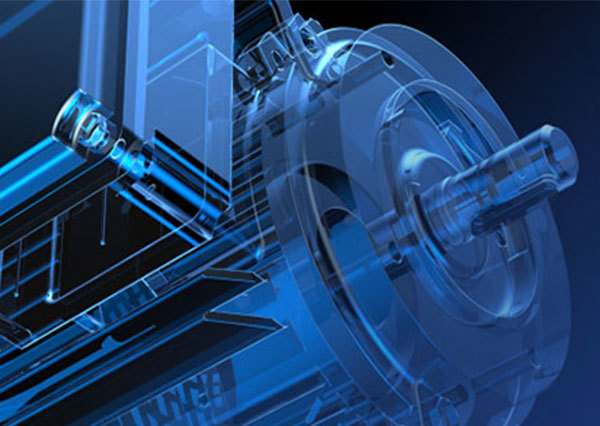
Understanding Induction Motors: A Key Component in Electrical Engineering
Mar 21,2026
Induction motors are widely recognized as one of the most common types of electric motors used in various industrial and commercial applications. They operate on the principle of electromagnetic induction, where electrical energy is converted into mechanical energy to drive various machines and equipment. This makes induction motors a critical component in the realm of electrical engineering, part
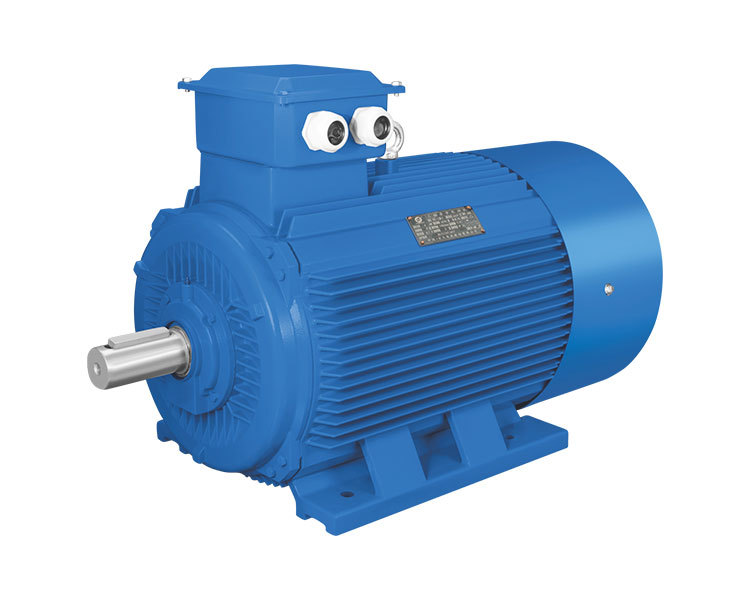
Induction motors are widely recognized as one of the most common types of electric motors used in various industrial and commercial applications. They operate on the principle of electromagnetic induction, where electrical energy is converted into mechanical energy to drive various machines and equipment. This makes induction motors a critical component in the realm of electrical engineering, particularly in the generation and distribution of power.
At the heart of an induction motor are two main parts: the stator and the rotor. The stator is the stationary part, which consists of windings connected to the power supply. When alternating current (AC) flows through these windings, it creates a rotating magnetic field. The rotor, located within the stator, is typically made of conductive material and is free to rotate. This rotating magnetic field induces a current in the rotor, which in turn generates a magnetic field that interacts with the stator's field, causing the rotor to rotate and produce mechanical output.
There are primarily two types of induction motors: squirrel cage and wound rotor. Squirrel cage motors are the most common due to their simple design, robustness, and low maintenance requirements. They are widely used in various applications, from small household appliances to large industrial machinery. Wound rotor motors, on the other hand, have windings on the rotor and allow for greater control over speed and torque, making them suitable for specific high-demand applications.
Induction motors have several advantages, including efficiency, reliability, and ease of control. They can operate under a wide range of conditions and are capable of starting under load, making them ideal for heavy-duty applications. Moreover, their simple construction leads to reduced maintenance costs compared to other motor types.
In addition to their advantages, induction motors also have some limitations. For instance, they typically require a three-phase power supply for optimal performance, which may not always be available in every location. Additionally, their speed is not easily adjustable without the use of external devices, such as variable frequency drives (VFDs).
In conclusion, induction motors play a pivotal role in the electrical engineering industry, particularly in the generation and distribution of power. Their efficiency, robustness, and versatility make them an integral component in the operation of various machines and equipment across multiple sectors. Understanding the principles behind induction motors can help you appreciate their significance in modern technology and industrial processes. Whether you're involved in manufacturing, power generation, or any other field that utilizes electrical equipment, gaining knowledge about induction motors is invaluable for optimizing performance and efficiency.
At the heart of an induction motor are two main parts: the stator and the rotor. The stator is the stationary part, which consists of windings connected to the power supply. When alternating current (AC) flows through these windings, it creates a rotating magnetic field. The rotor, located within the stator, is typically made of conductive material and is free to rotate. This rotating magnetic field induces a current in the rotor, which in turn generates a magnetic field that interacts with the stator's field, causing the rotor to rotate and produce mechanical output.
There are primarily two types of induction motors: squirrel cage and wound rotor. Squirrel cage motors are the most common due to their simple design, robustness, and low maintenance requirements. They are widely used in various applications, from small household appliances to large industrial machinery. Wound rotor motors, on the other hand, have windings on the rotor and allow for greater control over speed and torque, making them suitable for specific high-demand applications.
Induction motors have several advantages, including efficiency, reliability, and ease of control. They can operate under a wide range of conditions and are capable of starting under load, making them ideal for heavy-duty applications. Moreover, their simple construction leads to reduced maintenance costs compared to other motor types.
In addition to their advantages, induction motors also have some limitations. For instance, they typically require a three-phase power supply for optimal performance, which may not always be available in every location. Additionally, their speed is not easily adjustable without the use of external devices, such as variable frequency drives (VFDs).
In conclusion, induction motors play a pivotal role in the electrical engineering industry, particularly in the generation and distribution of power. Their efficiency, robustness, and versatility make them an integral component in the operation of various machines and equipment across multiple sectors. Understanding the principles behind induction motors can help you appreciate their significance in modern technology and industrial processes. Whether you're involved in manufacturing, power generation, or any other field that utilizes electrical equipment, gaining knowledge about induction motors is invaluable for optimizing performance and efficiency.


Contact
E-mail :
Tel/ WhatsApp:
Address:
Daxi Industrial District, Daxi Town, Wenling City, Zhejiang, China
Daxi Industrial District, Daxi Town, Wenling City, Zhejiang, China
