WELCOME TO FANGDA ELECTRIC MACHINE CO..LTD



Understanding the Benefits of Three-Phase Asynchronous Motors in Automotive Applications
Mar 24,2026
Understanding the Benefits of Three-Phase Asynchronous Motors in Automotive Applications
Introduction to Three-Phase Asynchronous Motors
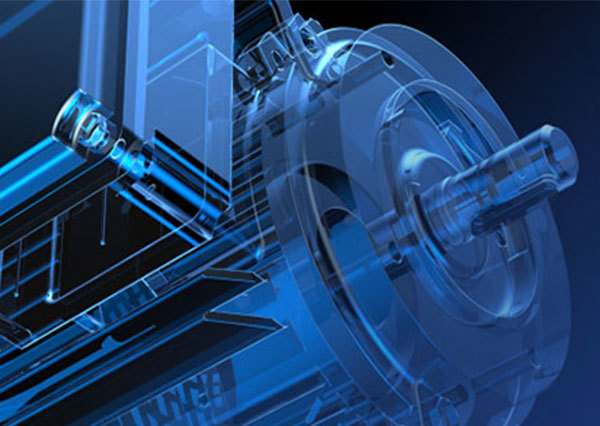
Three-phase asynchronous motors, also known as induction motors, have become a cornerstone of modern automotive applications. These motors operate on the principle of electromagnetic induction, where the rotor is induced by a rotating magnetic field produced by
Understanding the Benefits of Three-Phase Asynchronous Motors in Automotive Applications
Introduction to Three-Phase Asynchronous Motors
Three-phase asynchronous motors, also known as induction motors, have become a cornerstone of modern automotive applications. These motors operate on the principle of electromagnetic induction, where the rotor is induced by a rotating magnetic field produced by three-phase alternating current (AC). This technology is increasingly favored for its robustness, efficiency, and adaptability in various automotive settings.
How Three-Phase Asynchronous Motors Work
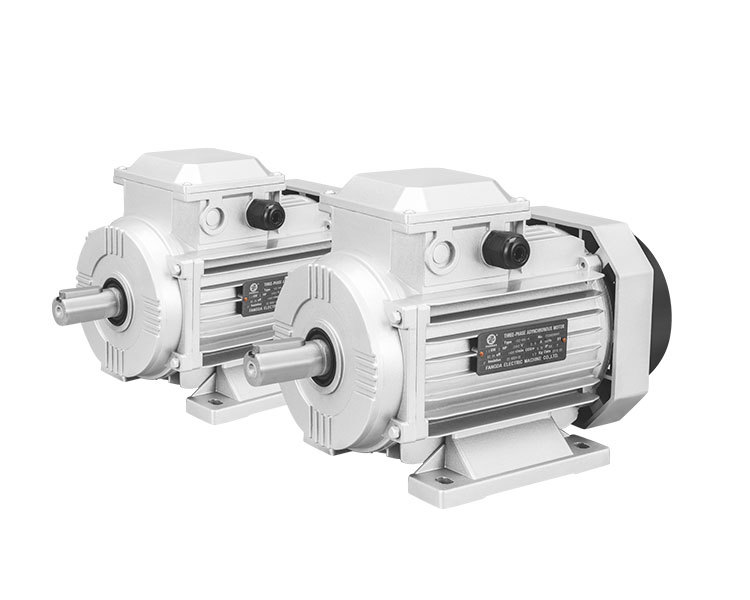
To truly appreciate the benefits of three-phase asynchronous motors, it's essential to understand their working mechanism. The stator, which is the stationary part of the motor, generates a rotating magnetic field when three-phase power is applied. The rotor, situated inside the stator, is subject to this magnetic field, inducing current in the rotor windings. This interaction generates torque, causing the rotor to turn and perform mechanical work.
Key Components of Three-Phase Asynchronous Motors
- **Stator:** The stationary component equipped with windings that generate the rotating magnetic field.
- **Rotor:** The rotating part that interacts with the magnetic field, causing movement.
- **End Shields:** These house the bearings and support the rotor.
- **Bearings:** Allow the rotor to spin freely within the stator.
Advantages of Three-Phase Asynchronous Motors in Automotive Applications
Three-phase asynchronous motors offer a multitude of advantages that make them ideal for various automotive applications. Below are some of the key benefits:
1. High Efficiency and Performance
Three-phase motors exhibit higher efficiency than single-phase counterparts. Their design minimizes losses, leading to improved performance, especially at higher speeds. This efficiency translates to better fuel economy and reduced operational costs for automotive manufacturers.
2. Robust and Reliable Operation
Constructed with fewer parts than other motor types, three-phase asynchronous motors are exceptionally robust. They can withstand harsh operating conditions commonly found in automotive environments, ensuring longevity and reliability.
3. Maintenance-Free Operation
These motors typically require minimal maintenance due to their simple construction and absence of brushes. This maintenance-free operation not only reduces downtime but also lowers the overall cost of ownership for vehicle manufacturers and consumers alike.
4. Versatile Applications
From electric vehicles (EVs) to traditional internal combustion engines, three-phase asynchronous motors can be employed in various applications, including electric power steering, traction drives, and auxiliary systems such as cooling fans and pumps. Their versatility makes them a go-to choice for automotive engineers.
5. Smooth Torque Delivery
The three-phase design allows for smooth torque delivery, which is crucial for applications requiring consistent power output. This feature enhances the driving experience, providing better acceleration and stability.
Energy Efficiency and Environmental Impact
With growing concerns about environmental sustainability, the energy efficiency of automotive components has come under scrutiny. Three-phase asynchronous motors stand out for their ability to operate efficiently, thereby reducing energy consumption and emissions.
Regenerative Braking Systems
One of the critical applications of three-phase motors in electric vehicles is the regenerative braking system. During braking, the motor can reverse its role and act as a generator, converting kinetic energy back into electrical energy. This process enhances energy recovery, extending vehicle range and reducing reliance on external charging.
Impact on Fuel Efficiency
In traditional vehicles, the use of three-phase asynchronous motors in auxiliary systems can lead to significant fuel savings. Efficient operation of components such as air conditioning and power steering contributes to overall vehicle efficiency.
Comparative Analysis: Three-Phase Asynchronous Motors vs. Other Motor Types
While three-phase asynchronous motors offer numerous advantages, it's essential to compare them with other motor technologies to understand their unique strengths.
Versus Single-Phase Motors
Single-phase motors are often less efficient and provide lower torque compared to their three-phase counterparts. They are suitable for smaller applications but struggle with larger loads and high-performance requirements typical in automotive settings.
Versus Brushless DC Motors
Brushless DC (BLDC) motors are known for their high efficiency and control. However, they are more complex and require sophisticated electronic control systems. In contrast, three-phase asynchronous motors provide a simpler solution with excellent reliability.
Future Trends: The Evolution of Three-Phase Asynchronous Motors in Automotives
As the automotive industry evolves, three-phase asynchronous motors are poised for further advancements. Here are a few future trends to watch:
Integration with Smart Technology
With the rise of electric and autonomous vehicles, integrating three-phase motors with smart technology will enhance control systems, allowing for better performance monitoring and predictive maintenance.
Improved Materials and Construction Techniques
The ongoing research into lightweight materials and advanced manufacturing techniques will lead to even more efficient and compact designs of three-phase asynchronous motors, making them more suitable for a broader range of applications.
Increased Adoption in Hybrid and Electric Vehicles
As the market for electric and hybrid vehicles expands, the demand for efficient motor solutions, such as three-phase asynchronous motors, will continue to grow, driving innovation and development in this field.
Frequently Asked Questions
1. What is a three-phase asynchronous motor?
A three-phase asynchronous motor is an electric motor that operates on three-phase alternating current and utilizes electromagnetic induction to generate torque. It is widely used in various applications, including the automotive sector.
2. What are the advantages of using three-phase motors in automobiles?
Three-phase motors offer high efficiency, reliability, low maintenance, smooth torque delivery, and versatility, making them ideal for automotive applications.
3. Can three-phase asynchronous motors be used in electric vehicles?
Yes, three-phase asynchronous motors are commonly used in electric vehicles, particularly in traction applications and regenerative braking systems.
4. How do three-phase motors compare to single-phase motors?
Three-phase motors are generally more efficient, provide higher torque, and are better suited for larger applications compared to single-phase motors.
5. What future developments can we expect for three-phase asynchronous motors in automotive applications?
Future developments may include smart technology integration, advancements in materials and manufacturing techniques, and increased adoption in hybrid and electric vehicles.
Conclusion
In conclusion, three-phase asynchronous motors represent a significant advancement in automotive technology. Their unparalleled efficiency, reliability, and adaptability make them a preferred choice across various automotive applications. As the industry continues to evolve toward electrification and sustainability, the benefits of these motors will play a pivotal role in shaping the future of transportation. Embracing this technology not only enhances vehicle performance but also contributes to a greener, more efficient automotive landscape.


Contact
E-mail :
Tel/ WhatsApp:
Address:
Daxi Industrial District, Daxi Town, Wenling City, Zhejiang, China
Daxi Industrial District, Daxi Town, Wenling City, Zhejiang, China
