WELCOME TO FANGDA ELECTRIC MACHINE CO..LTD



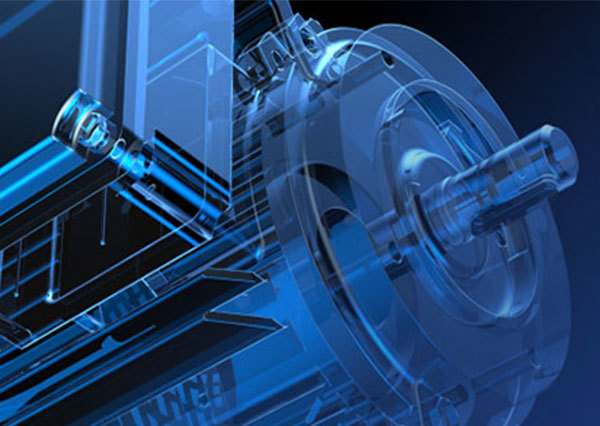
Induction Motors: A Key Component in Sustainable Energy Solutions
Jun 29,2026
Induction Motors: A Key Component in Sustainable Energy Solutions
Table of Contents
1. Introduction
2. What Are Induction Motors?
3. Working Principle of Induction Motors
4. Types of Induction Motors
4.1 Squirrel Cage Motors
4.2 Wound Rotor Motors
5. Applications of Induction Motors in Sustainable Energy
6. Advantages of Induc
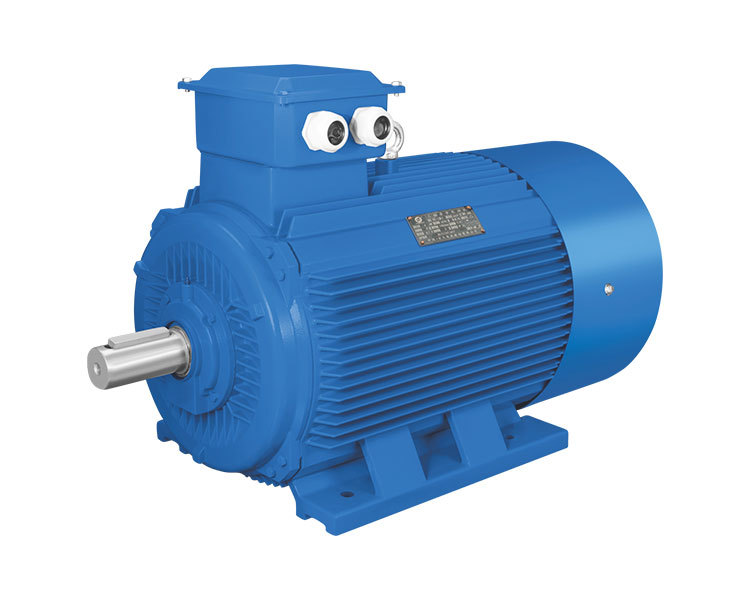
Induction Motors: A Key Component in Sustainable Energy Solutions
Table of Contents
- 1. Introduction
- 2. What Are Induction Motors?
- 3. Working Principle of Induction Motors
- 4. Types of Induction Motors
- 5. Applications of Induction Motors in Sustainable Energy
- 6. Advantages of Induction Motors
- 7. Challenges and Solutions in Induction Motor Technology
- 8. Future Trends in Induction Motors and Sustainable Energy
- 9. Conclusion
- 10. FAQs
1. Introduction
In the quest for sustainable energy solutions, **induction motors** have emerged as a cornerstone technology. As the world shifts towards renewable energy sources, the demand for efficient and reliable machinery has intensified. Induction motors, known for their robustness and efficiency, play a pivotal role in various applications ranging from manufacturing to renewable energy generation.
These motors are not merely mechanical devices; they are integral to the operation of equipment that harnesses renewable energy, such as wind turbines and solar panel tracking systems. This article aims to explore the functioning, advantages, and future potential of **induction motors** in supporting sustainable energy initiatives.
2. What Are Induction Motors?
Induction motors are **alternating current (AC)** motors that operate on the principle of electromagnetic induction. Unlike synchronous motors, which require a separate power source to generate the rotor's magnetic field, induction motors use the stator to create a magnetic field that induces current in the rotor. This induction process allows the rotor to turn and subsequently produce mechanical output.
3. Working Principle of Induction Motors
The working principle of induction motors can be understood through the interaction between the stator and rotor. When AC voltage is applied to the stator winding, it generates a rotating magnetic field. This field passes through the rotor, inducing a current due to the phenomenon of electromagnetic induction. The interaction between the magnetic field and the induced current in the rotor results in torque generation, causing the rotor to spin.
The speed of an induction motor is determined by the frequency of the AC supply and the number of poles in the motor. One of the distinctive features of induction motors is their slip, which is the difference between the synchronous speed of the magnetic field and the actual speed of the rotor. This slip is essential for torque production and is a critical factor in the motor's performance.
4. Types of Induction Motors
Induction motors come in various designs, primarily categorized into two main types: **squirrel cage motors** and **wound rotor motors**.
4.1 Squirrel Cage Motors
Squirrel cage motors are the most common type of induction motor. They feature a simple design with a rotor made of conductive bars short-circuited at both ends, resembling a squirrel cage. This design is known for its durability, low maintenance requirements, and high efficiency. Squirrel cage motors are widely used in industrial applications, including pumps, fans, and conveyor systems.
4.2 Wound Rotor Motors
Wound rotor motors, on the other hand, have a rotor winding connected to external resistors or rheostats. This design allows for greater control over the motor's speed and torque by adjusting the resistance in the rotor circuit. Wound rotor motors are often employed in applications requiring high starting torque, such as in crushers and mills.
5. Applications of Induction Motors in Sustainable Energy
Induction motors have a myriad of applications in sustainable energy solutions, making them a vital component in various sectors. Here are some notable uses:
Wind Energy Generation
In wind turbines, induction motors are utilized as generators. The mechanical energy captured from the wind is converted into electrical energy using induction principles. Their ability to handle varying speeds makes them ideal for wind energy generation, contributing significantly to the renewable energy grid.
Solar Energy Systems
Induction motors are also essential in solar energy systems, particularly in solar tracking applications. These motors adjust the position of solar panels to maximize sunlight exposure, optimizing energy collection and improving overall system efficiency.
Pumping Systems
In agricultural and industrial settings, induction motors drive pumps for water supply and irrigation systems. Their efficiency in converting electrical energy to mechanical energy allows for substantial energy savings, particularly when linked to renewable energy sources.
HVAC Systems
Heating, ventilation, and air conditioning (HVAC) systems often employ induction motors to drive fans and compressors. The efficiency of induction motors in these systems supports energy conservation, aligning with sustainable practices.
6. Advantages of Induction Motors
Induction motors boast several advantages, solidifying their role in sustainable energy solutions:
High Efficiency
Induction motors operate at high efficiency levels, often exceeding 90%. This efficiency translates to reduced energy consumption and lower operational costs, making them a favorable choice for businesses and energy-conscious consumers.
Robustness and Reliability
The simple construction of induction motors contributes to their robustness and reliability. They can withstand harsh environments and require minimal maintenance compared to other motor types, resulting in reduced downtime and repair costs.
Cost-Effectiveness
Induction motors are generally less expensive to manufacture and install compared to their synchronous counterparts. Their widespread availability and standardization further enhance their cost-effectiveness, making them accessible to various industries.
Versatility
Induction motors can be employed in numerous applications across different sectors, from manufacturing and agriculture to renewable energy. This versatility makes them a vital component in advancing sustainable energy solutions.
7. Challenges and Solutions in Induction Motor Technology
Despite their advantages, induction motors face several challenges in modern applications:
Energy Losses
Induction motors can experience energy losses due to heat generation and slip. To mitigate this issue, advanced materials and design techniques can be employed to enhance the motor's efficiency further.
Control and Automation
As industries increasingly adopt automation, the need for precise control over induction motors becomes essential. Implementing variable frequency drives (VFDs) can improve control and optimize energy consumption, allowing for finer adjustments in speed and torque.
Environmental Concerns
The production and disposal of induction motors can have environmental impacts. Emphasizing sustainable manufacturing practices and recycling programs can help reduce the ecological footprint of these motors throughout their lifecycle.
8. Future Trends in Induction Motors and Sustainable Energy
The future of induction motors in sustainable energy solutions looks promising, with numerous trends emerging:
Integration with Smart Grid Technologies
As smart grid technologies continue to develop, induction motors will play a critical role in energy management and distribution. Their ability to respond dynamically to grid demands will enhance overall efficiency and reliability.
Advancements in Materials and Design
Innovations in materials, such as improved magnetic materials and advanced cooling systems, will enhance the efficiency and performance of induction motors. These advancements will contribute to further reductions in energy consumption.
Increased Use in Electric Vehicles
With the rise of electric vehicles (EVs), induction motors are becoming a preferred choice for drive systems due to their reliability and efficiency. As the EV market expands, the demand for induction motors will likely grow substantially.
9. Conclusion
Induction motors represent a key component in the transition to sustainable energy solutions. Their efficiency, versatility, and robustness make them indispensable in various applications, from renewable energy generation to industrial processing. As we continue to explore and innovate in the field of electrical machinery, induction motors will remain at the forefront, contributing to a greener and more sustainable future.
10. FAQs
What is the main advantage of induction motors over other types?
The primary advantage of induction motors is their high efficiency and reliability, which results in lower energy consumption and maintenance costs compared to other motor types.
Can induction motors be used in renewable energy applications?
Yes, induction motors are widely used in renewable energy applications, such as wind turbines and solar tracking systems, due to their efficiency and ability to handle variable speeds.
How do variable frequency drives enhance induction motor performance?
Variable frequency drives (VFDs) allow for precise control over the motor’s speed and torque, optimizing energy consumption and improving overall efficiency in various applications.
What are the typical applications of induction motors?
Induction motors are used in a range of applications, including pumps, fans, HVAC systems, and renewable energy generation, among others.
What challenges do induction motors face in modern technology?
Induction motors face challenges such as energy losses, the need for advanced control systems, and environmental concerns related to manufacturing and disposal.
This comprehensive exploration of induction motors emphasizes their critical role in fostering sustainable energy solutions, positioning them as vital components in the ongoing transition towards a greener future.
PREVIOUS:


Contact
E-mail :
Tel/ WhatsApp:
Address:
Daxi Industrial District, Daxi Town, Wenling City, Zhejiang, China
Daxi Industrial District, Daxi Town, Wenling City, Zhejiang, China
