WELCOME TO FANGDA ELECTRIC MACHINE CO..LTD



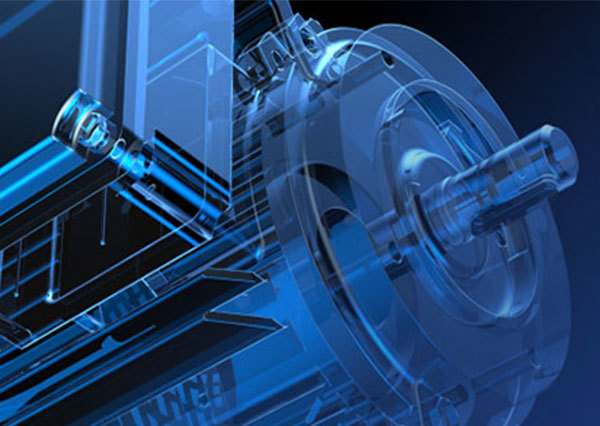
Understanding the Fundamentals of Three-Phase Asynchronous Motors in Automotive Applications
Jul 02,2026
Three-phase asynchronous motors, commonly utilized in various automotive electronic and electrical components, play a vital role in powering vehicles efficiently and reliably. These motors operate on the principle of electromagnetic induction, where a rotating magnetic field induces current in the rotor, resulting in motion. Unlike synchronous motors, asynchronous motors do not require a direct el
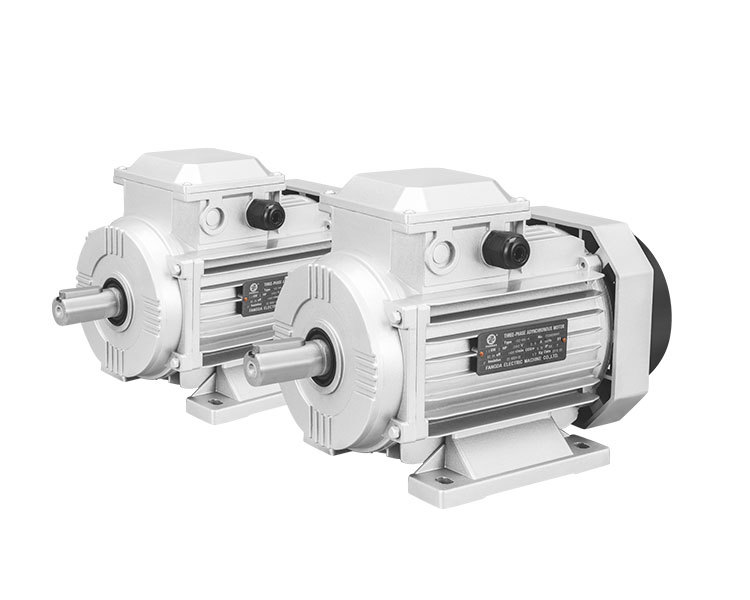
Three-phase asynchronous motors, commonly utilized in various automotive electronic and electrical components, play a vital role in powering vehicles efficiently and reliably. These motors operate on the principle of electromagnetic induction, where a rotating magnetic field induces current in the rotor, resulting in motion. Unlike synchronous motors, asynchronous motors do not require a direct electrical connection to the rotor, which allows for simpler designs and reduced maintenance needs.
One of the key features of three-phase asynchronous motors is their efficiency. They are designed to operate on three-phase electrical systems, which provide a continuous and balanced power supply. This not only enhances the performance of the motor but also reduces energy losses, making it an optimal choice for automotive applications. The ability to handle varying loads and maintain consistent performance under different operating conditions is another advantage that makes these motors ideal for use in starter motors and other automotive drives.
In addition to efficiency, three-phase asynchronous motors are known for their durability and reliability. The construction of these motors typically involves robust materials that can withstand the harsh environments often found in automotive settings. This resilience translates to longer service life and reduced downtime, which is critical for both manufacturers and end-users.
Furthermore, the design flexibility of three-phase asynchronous motors allows manufacturers to tailor them to specific applications. Whether it’s for electric vehicles, hybrid systems, or traditional combustion engines, these motors can be adapted to meet various performance requirements. Their scalability means they can be used in a range of automotive applications, from small auxiliary systems to larger drive motors.
Another significant aspect of three-phase asynchronous motors is their simple control mechanisms. They can be easily controlled through variable frequency drives (VFDs), which enhance their versatility in automotive applications. Advanced control systems enable precise speed regulation and energy management, contributing to overall vehicle efficiency.
In summary, three-phase asynchronous motors are indispensable in the automotive industry, particularly in the manufacturing of starters, motors, and other electrical components. Their efficiency, reliability, and adaptability make them a preferred choice for various automotive applications. As the automotive sector continues to evolve, the demand for advanced electric motor technology will undoubtedly increase, thereby highlighting the importance of understanding the principles and benefits of three-phase asynchronous motors.
One of the key features of three-phase asynchronous motors is their efficiency. They are designed to operate on three-phase electrical systems, which provide a continuous and balanced power supply. This not only enhances the performance of the motor but also reduces energy losses, making it an optimal choice for automotive applications. The ability to handle varying loads and maintain consistent performance under different operating conditions is another advantage that makes these motors ideal for use in starter motors and other automotive drives.
In addition to efficiency, three-phase asynchronous motors are known for their durability and reliability. The construction of these motors typically involves robust materials that can withstand the harsh environments often found in automotive settings. This resilience translates to longer service life and reduced downtime, which is critical for both manufacturers and end-users.
Furthermore, the design flexibility of three-phase asynchronous motors allows manufacturers to tailor them to specific applications. Whether it’s for electric vehicles, hybrid systems, or traditional combustion engines, these motors can be adapted to meet various performance requirements. Their scalability means they can be used in a range of automotive applications, from small auxiliary systems to larger drive motors.
Another significant aspect of three-phase asynchronous motors is their simple control mechanisms. They can be easily controlled through variable frequency drives (VFDs), which enhance their versatility in automotive applications. Advanced control systems enable precise speed regulation and energy management, contributing to overall vehicle efficiency.
In summary, three-phase asynchronous motors are indispensable in the automotive industry, particularly in the manufacturing of starters, motors, and other electrical components. Their efficiency, reliability, and adaptability make them a preferred choice for various automotive applications. As the automotive sector continues to evolve, the demand for advanced electric motor technology will undoubtedly increase, thereby highlighting the importance of understanding the principles and benefits of three-phase asynchronous motors.
PREVIOUS:


Contact
E-mail :
Tel/ WhatsApp:
Address:
Daxi Industrial District, Daxi Town, Wenling City, Zhejiang, China
Daxi Industrial District, Daxi Town, Wenling City, Zhejiang, China
