WELCOME TO FANGDA ELECTRIC MACHINE CO..LTD



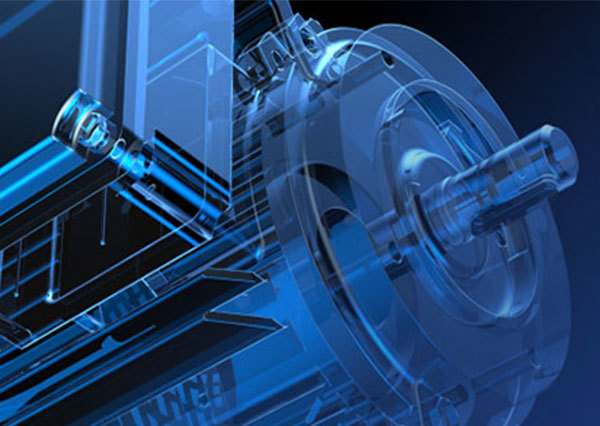
Understanding Induction Motors: Essential Insights for Electrical and Power Generation Professionals
Jul 24,2026
Induction motors play a pivotal role in the electrical and power generation sectors, making them indispensable for a wide range of applications. These machines convert electrical energy into mechanical energy through electromagnetic induction, which allows them to operate efficiently in a variety of environments. An induction motor typically consists of two main components: the stator and the roto
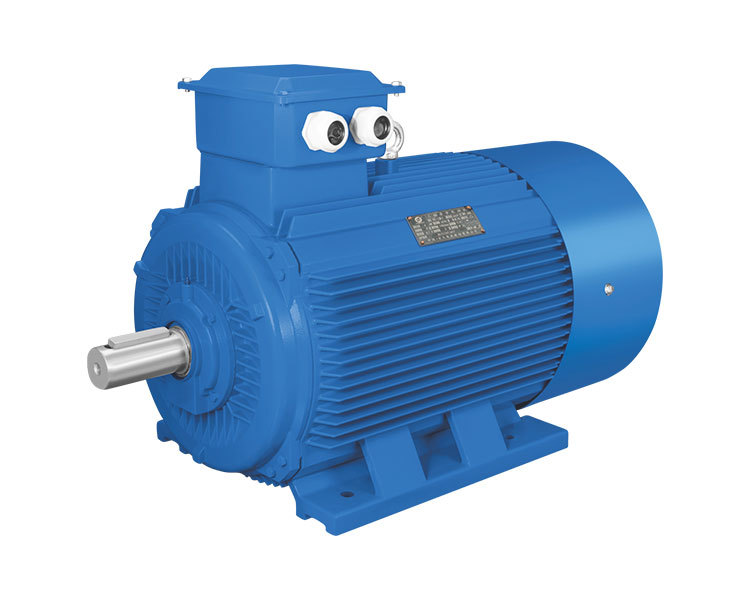
Induction motors play a pivotal role in the electrical and power generation sectors, making them indispensable for a wide range of applications. These machines convert electrical energy into mechanical energy through electromagnetic induction, which allows them to operate efficiently in a variety of environments. An induction motor typically consists of two main components: the stator and the rotor. The stator is the stationary part that generates a rotating magnetic field when alternating current (AC) flows through it, while the rotor is the rotating part that starts to spin due to the magnetic field created by the stator.
One of the key advantages of induction motors is their robustness and reliability. They are generally designed to withstand harsh operating conditions, making them ideal for various industrial applications. Additionally, induction motors require minimal maintenance compared to other types of motors, which can lead to lower operational costs over time. Their simple construction and lack of brushes or commutators contribute to their long lifespan and overall efficiency.
Induction motors can be classified into two types: squirrel cage induction motors and wound rotor induction motors. Squirrel cage motors are the most common type and are known for their simplicity and efficiency. They consist of a rotor with conducting bars shorted at both ends, resembling a squirrel cage. Wound rotor motors, on the other hand, have a rotor winding connected to external resistances, allowing for better control over speed and torque.
In terms of applications, induction motors are widely used in various sectors, including manufacturing, HVAC systems, and water treatment plants. They are often employed to drive pumps, fans, compressors, and conveyors, among other equipment. Due to their versatility, induction motors can easily be integrated into automated systems, further enhancing their functionality and efficiency.
When selecting an induction motor for a specific application, it is crucial to consider factors such as the required power output, operating conditions, and load characteristics. Additionally, understanding the motor's efficiency ratings and torque-speed characteristics can aid in making informed decisions that optimize performance.
In conclusion, induction motors are essential components in the electrical and power generation industries. Their robust design, low maintenance requirements, and versatility make them ideal for a wide range of applications. By understanding the principles of operation and applications of induction motors, professionals in the field can make better decisions and leverage these machines for improved efficiency and effectiveness in their operations.
One of the key advantages of induction motors is their robustness and reliability. They are generally designed to withstand harsh operating conditions, making them ideal for various industrial applications. Additionally, induction motors require minimal maintenance compared to other types of motors, which can lead to lower operational costs over time. Their simple construction and lack of brushes or commutators contribute to their long lifespan and overall efficiency.
Induction motors can be classified into two types: squirrel cage induction motors and wound rotor induction motors. Squirrel cage motors are the most common type and are known for their simplicity and efficiency. They consist of a rotor with conducting bars shorted at both ends, resembling a squirrel cage. Wound rotor motors, on the other hand, have a rotor winding connected to external resistances, allowing for better control over speed and torque.
In terms of applications, induction motors are widely used in various sectors, including manufacturing, HVAC systems, and water treatment plants. They are often employed to drive pumps, fans, compressors, and conveyors, among other equipment. Due to their versatility, induction motors can easily be integrated into automated systems, further enhancing their functionality and efficiency.
When selecting an induction motor for a specific application, it is crucial to consider factors such as the required power output, operating conditions, and load characteristics. Additionally, understanding the motor's efficiency ratings and torque-speed characteristics can aid in making informed decisions that optimize performance.
In conclusion, induction motors are essential components in the electrical and power generation industries. Their robust design, low maintenance requirements, and versatility make them ideal for a wide range of applications. By understanding the principles of operation and applications of induction motors, professionals in the field can make better decisions and leverage these machines for improved efficiency and effectiveness in their operations.


Contact
E-mail :
Tel/ WhatsApp:
Address:
Daxi Industrial District, Daxi Town, Wenling City, Zhejiang, China
Daxi Industrial District, Daxi Town, Wenling City, Zhejiang, China
