WELCOME TO FANGDA ELECTRIC MACHINE CO..LTD



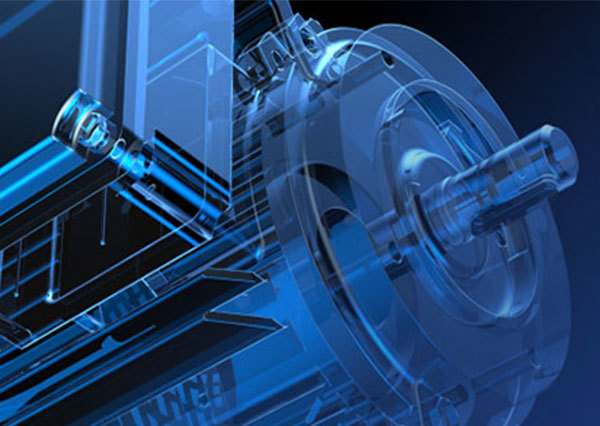
The Role of Three-Phase Asynchronous Motors in Modern Electric Vehicles
Jul 25,2026
The Role of Three-Phase Asynchronous Motors in Modern Electric Vehicles
Table of Contents
Introduction to Electric Vehicles and Motor Technology
Understanding Three-Phase Asynchronous Motors
Advantages of Three-Phase Asynchronous Motors in EVs
Applications of Three-Phase Asynchronous Motors in Electric Vehicles
Comparison with Other Motor Types
Challenges and Limitations
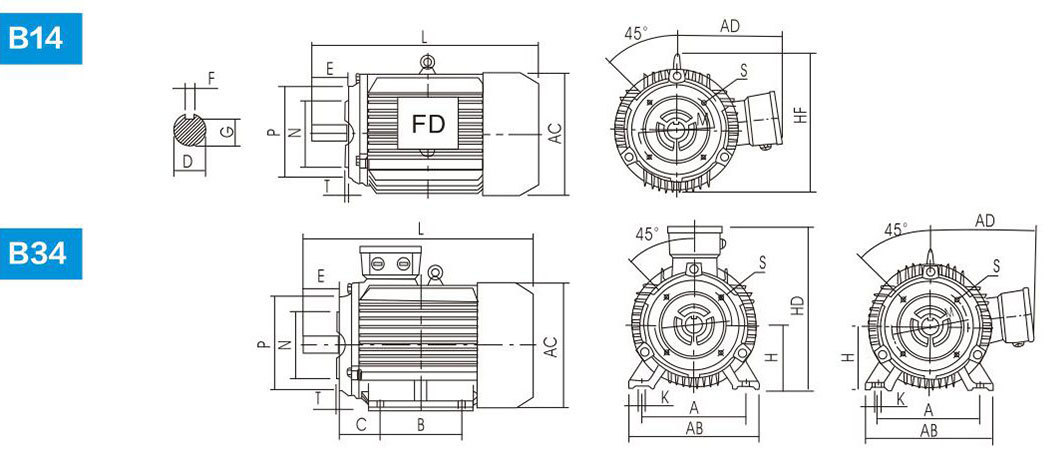
The Role of Three-Phase Asynchronous Motors in Modern Electric Vehicles
Table of Contents
- Introduction to Electric Vehicles and Motor Technology
- Understanding Three-Phase Asynchronous Motors
- Advantages of Three-Phase Asynchronous Motors in EVs
- Applications of Three-Phase Asynchronous Motors in Electric Vehicles
- Comparison with Other Motor Types
- Challenges and Limitations
- Future of Three-Phase Asynchronous Motors in EVs
- Conclusion
- Frequently Asked Questions
Introduction to Electric Vehicles and Motor Technology
The evolution of electric vehicles (EVs) marks a significant shift in the automotive industry, driven by the need for sustainable transportation solutions. Central to this transformation is the technology that powers these vehicles. Among various motor technologies, the **three-phase asynchronous motor** (also known as an induction motor) stands out due to its efficiency, reliability, and suitability for electric propulsion.
As we navigate through this article, we will explore the intricate role of three-phase asynchronous motors in modern electric vehicles. From their basic principles to their advantages, applications, and future prospects, we aim to provide a detailed understanding of why these motors are integral to the advancement of electric mobility.
Understanding Three-Phase Asynchronous Motors
Three-phase asynchronous motors operate on the principles of electromagnetism, converting electrical energy into mechanical energy. These motors derive their name from the three-phase alternating current (AC) supply that powers them. The unique design of these motors allows them to function without the need for brushes or commutators, leading to reduced wear and maintenance requirements.
### How Do They Work?
The operation of three-phase asynchronous motors revolves around the interaction between the stator and the rotor. A rotating magnetic field is generated by the stator windings when three-phase current passes through them. This magnetic field induces a current in the rotor, causing it to spin. The **asynchronous** nature of the motor refers to the difference in speed between the rotating magnetic field and the rotor.
### Key Components
1. **Stator**: The stationary part of the motor that generates a rotating magnetic field.
2. **Rotor**: The rotating component that interacts with the magnetic field to produce torque.
3. **Air Gap**: The space between the stator and rotor, crucial for efficient operation.
4. **Bearings**: Support the rotor and allow it to spin smoothly.
These components work together to ensure that the motor operates efficiently, delivering the necessary power for electric vehicles.
Advantages of Three-Phase Asynchronous Motors in EVs
The adoption of three-phase asynchronous motors in electric vehicles comes with several advantages that enhance overall vehicle performance.
### 1. Efficiency
Three-phase asynchronous motors are known for their high efficiency rates, often exceeding 90%. This efficiency translates to longer driving ranges for electric vehicles, reducing the frequency of charging and enhancing the overall user experience.
### 2. Reliability and Durability
These motors have fewer moving parts compared to traditional brushed motors, resulting in lower maintenance costs and extended lifespans. Their robust design can withstand various environmental conditions, making them ideal for automotive applications.
### 3. Torque Characteristics
The motors provide excellent torque at low speeds, crucial for electric vehicles that require quick acceleration. This characteristic allows EVs to perform well in various driving conditions, enhancing the driving experience.
### 4. Cost-Effectiveness
In terms of production and maintenance, three-phase asynchronous motors are cost-effective. Their simple construction and widespread use lead to lower manufacturing costs, which can be passed on to consumers in the price of electric vehicles.
### 5. Environmental Benefits
By utilizing efficient motor technology, three-phase asynchronous motors contribute to reducing greenhouse gas emissions. Their role in electric vehicles aligns with global efforts to create a more sustainable future.
Applications of Three-Phase Asynchronous Motors in Electric Vehicles
Three-phase asynchronous motors are employed in a wide array of electric vehicles, including passenger cars, buses, and commercial vehicles.
### Passenger Cars
Many leading electric car manufacturers, including Tesla and BMW, utilize three-phase asynchronous motors for their excellent performance and efficiency. These motors help achieve higher speeds and longer ranges, making electric cars more appealing to consumers.
### Electric Buses
In public transportation, electric buses equipped with three-phase asynchronous motors provide a quieter and more efficient alternative to traditional diesel buses. Their ability to accelerate rapidly and maintain speeds makes them ideal for urban environments.
### Commercial Vehicles
The logistics sector benefits significantly from three-phase asynchronous motors. Delivery trucks and vans can achieve greater energy efficiency, leading to reduced operational costs and improved service delivery.
Comparison with Other Motor Types
When looking at motor types used in electric vehicles, it is vital to compare three-phase asynchronous motors with other popular options, such as permanent magnet synchronous motors (PMSMs) and brushed DC motors.
### Three-Phase Asynchronous Motors vs. PMSMs
While PMSMs offer higher power density and efficiency, they come with higher production costs due to the use of rare-earth materials. In contrast, three-phase asynchronous motors are more affordable and widely available, making them a preferred choice for many manufacturers.
### Three-Phase Asynchronous Motors vs. Brushed DC Motors
Brushed DC motors were once the standard for electric vehicles, but their maintenance requirements make them less practical. Three-phase asynchronous motors eliminate the need for brushes, providing a more reliable option with lower operational costs.
Challenges and Limitations
Despite their many advantages, three-phase asynchronous motors are not without challenges.
### 1. Size and Weight
Compared to some other motor types, three-phase asynchronous motors can be larger and heavier, which may pose design challenges for manufacturers looking to maximize space and minimize weight in electric vehicles.
### 2. Complexity in Control
The control systems for three-phase asynchronous motors can be more complex than those for brushed motors. However, advancements in technology are continually improving control strategies, making them more user-friendly.
### 3. Efficiency at Low Speeds
While these motors excel at high speeds, their efficiency can drop at lower speeds compared to PMSMs. Manufacturers must design systems to optimize performance across a range of speeds.
Future of Three-Phase Asynchronous Motors in EVs
The future of three-phase asynchronous motors in electric vehicles looks promising. Continued advancements in materials and technology will likely enhance their efficiency and performance.
### Emerging Technologies
Innovations such as advanced cooling systems and improved power electronics are expected to improve the efficiency and lifespan of three-phase asynchronous motors. As the demand for electric vehicles continues to rise, these technologies will play a crucial role.
### Integration with Renewable Energy
As electric vehicles become more integrated with renewable energy sources, three-phase asynchronous motors will be pivotal in maximizing energy efficiency during charging and operation.
### Global Trends
With increasing regulatory pressures to reduce emissions, manufacturers will continue to adopt three-phase asynchronous motors to meet these requirements while providing reliable and efficient electric vehicle options.
Conclusion
Three-phase asynchronous motors are at the forefront of electric vehicle technology, providing a reliable, efficient, and cost-effective solution for modern transportation needs. Their unique characteristics and advantages make them an integral component in the quest for sustainable mobility. As we look to the future, the ongoing advancements in this technology will undoubtedly shape the landscape of electric vehicles, fostering a greener and more efficient world.
Frequently Asked Questions
1. What is a three-phase asynchronous motor?
A three-phase asynchronous motor is an AC motor that operates using a three-phase power supply, converting electrical energy into mechanical energy efficiently.
2. Why are three-phase asynchronous motors preferred in electric vehicles?
They are preferred due to their high efficiency, reliability, low maintenance needs, and cost-effectiveness, providing excellent performance for electric vehicles.
3. How do three-phase asynchronous motors compare to permanent magnet motors?
While permanent magnet motors offer higher efficiency and power density, three-phase asynchronous motors are generally more affordable and do not require rare-earth materials.
4. Are there any limitations to using three-phase asynchronous motors?
Yes, some limitations include size and weight considerations, complexity in control systems, and potential efficiency drops at low speeds.
5. What does the future hold for three-phase asynchronous motors in electric vehicles?
The future looks bright, with advancements in technology expected to enhance efficiency, performance, and integration with renewable energy sources, driving further adoption in the electric vehicle market.
PREVIOUS:


Contact
E-mail :
Tel/ WhatsApp:
Address:
Daxi Industrial District, Daxi Town, Wenling City, Zhejiang, China
Daxi Industrial District, Daxi Town, Wenling City, Zhejiang, China
