WELCOME TO FANGDA ELECTRIC MACHINE CO..LTD



How Induction Motors Enhance the Efficiency of Power Generation Systems
Aug 04,2026
How Induction Motors Enhance the Efficiency of Power Generation Systems
Table of Contents
Introduction to Induction Motors and Power Generation
What Are Induction Motors?
How Do Induction Motors Work?
Advantages of Induction Motors in Power Generation
The Impact of Induction Motors on Energy Efficiency
Applications of Induction Motors in Power Generation Systems
Fu
How Induction Motors Enhance the Efficiency of Power Generation Systems
Table of Contents
- Introduction to Induction Motors and Power Generation
- What Are Induction Motors?
- How Do Induction Motors Work?
- Advantages of Induction Motors in Power Generation
- The Impact of Induction Motors on Energy Efficiency
- Applications of Induction Motors in Power Generation Systems
- Future Trends in Induction Motor Technology
- Frequently Asked Questions
- Conclusion
Introduction to Induction Motors and Power Generation
Induction motors are increasingly becoming a critical component in the enhancement of power generation systems. These motors are renowned for their robustness, reliability, and efficiency. As the world intensifies its focus on sustainable energy solutions, the role of induction motors in power generation is more pronounced than ever. This article analyzes how induction motors contribute to efficient power generation, the technology behind them, and their future in the industry.
What Are Induction Motors?
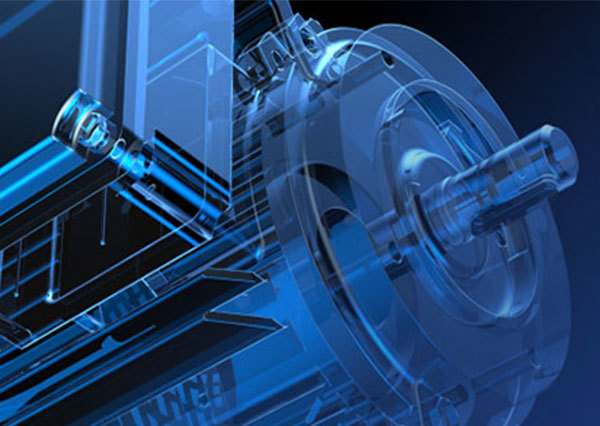
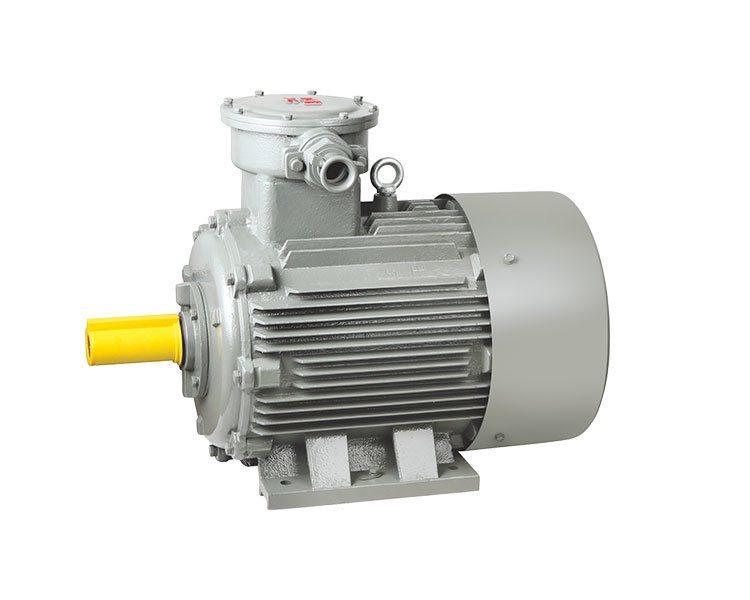
Induction motors are AC motors that operate based on electromagnetic induction. They convert electrical energy into mechanical energy through a rotor and stator system. The essential components of an induction motor include:
- **Stator**: The stationary part that produces a rotating magnetic field when AC voltage is applied.
- **Rotor**: The rotating part that receives energy from the magnetic field to generate mechanical motion.
- **Squirrel Cage Rotor**: A common type of rotor that enhances efficiency and performance.
The design of induction motors allows for straightforward construction and minimal maintenance, making them a preferred option in various power generation applications.
How Do Induction Motors Work?
Induction motors function through the principles of electromagnetic induction. Here’s a simplified explanation of the process:
1. **Electric Current**: When AC electric current passes through the stator windings, it generates a rotating magnetic field.
2. **Induction of Current**: This rotating magnetic field induces a current in the rotor, which creates its magnetic field.
3. **Torque Generation**: The interaction between the stator's rotating magnetic field and the rotor's magnetic field creates torque, causing the rotor to turn.
4. **Speed Regulation**: The speed of the rotor adjusts depending on the load, leading to efficient operation under various conditions.
Induction motors are characterized by their simplicity, durability, and ability to operate in diverse environments.
Advantages of Induction Motors in Power Generation
Induction motors offer several advantages that make them ideal for power generation systems:
- **High Efficiency**: Induction motors are known for their high efficiency, often exceeding 90%. This means less energy is wasted, directly impacting the overall efficiency of power generation systems.
- **Low Maintenance Requirements**: With fewer moving parts compared to other motor types, induction motors require less maintenance, reducing operational costs.
- **Robustness**: These motors are designed to withstand harsh conditions, making them suitable for various industrial applications in power generation.
- **Cost-Effectiveness**: Due to their simple design and high reliability, induction motors have a lower initial purchase price and overall operational cost, making them a cost-effective choice.
- **Versatility**: Induction motors can operate in a wide range of applications, from small-scale generators to large industrial power systems.
The Impact of Induction Motors on Energy Efficiency
The integration of induction motors into power generation systems significantly enhances energy efficiency. Here’s how:
1. **Reduced Energy Losses**: These motors minimize energy losses typically associated with traditional motors. Their design allows for optimal performance across varying loads.
2. **Improved Load Management**: Induction motors can adapt to changes in load conditions, ensuring energy is used efficiently regardless of demand fluctuations.
3. **Enhanced Power Factor**: Induction motors can improve the power factor in power generation systems, which is essential for optimizing energy consumption and reducing utility costs.
4. **Sustainable Practices**: As industries push towards greener technologies, the efficiency of induction motors aligns with sustainable energy practices, reducing overall carbon footprints in power generation.
Applications of Induction Motors in Power Generation Systems
Induction motors find applications in various power generation settings, including:
- **Renewable Energy Sources**: They are increasingly used in wind and solar power systems, where their efficiency directly contributes to the viability of these green technologies.
- **Hydroelectric Power Plants**: Induction motors play a crucial role in hydroelectric systems, where they help convert kinetic energy from moving water into electrical energy.
- **Industrial Generators**: Many industries utilize induction motors in their generator sets to ensure reliable power generation and distribution.
The versatility of induction motors makes them suitable for a range of applications, driving efficiency in both conventional and renewable energy sectors.
Future Trends in Induction Motor Technology
As technology evolves, so does the design and functionality of induction motors. Future trends include:
1. **Smart Motor Technology**: The integration of IoT in induction motors is expected to enable real-time monitoring and predictive maintenance, further enhancing efficiency and reducing downtime.
2. **Higher Efficiency Standards**: Manufacturers are continuously working towards developing higher efficiency induction motors that comply with stringent energy regulations.
3. **Advanced Materials**: The use of advanced materials in motor construction will enhance performance, reduce weight, and improve thermal management.
4. **Hybrid Systems**: The combination of induction motors with renewable energy sources will likely lead to innovative hybrid systems that maximize energy utilization.
These trends highlight the ongoing advancements in induction motor technology, promising enhanced efficiency and performance in power generation systems.
Frequently Asked Questions
What is the primary function of induction motors in power generation?
Induction motors convert electrical energy into mechanical energy, which is crucial for driving generators and other equipment in power generation systems.
Are induction motors energy-efficient?
Yes, induction motors are known for their high energy efficiency, often exceeding 90%, which reduces energy waste in power generation.
How do induction motors compare to other motor types?
Unlike synchronous motors, induction motors are simpler in design, require less maintenance, and are generally more robust, making them more cost-effective for many applications.
What industries use induction motors for power generation?
Induction motors are utilized across various industries, including renewable energy, manufacturing, and hydroelectric power, due to their versatility and reliability.
What advancements are being made in induction motor technology?
Advancements include the integration of smart technologies, use of advanced materials, and the development of higher efficiency standards, contributing to improved performance and energy management.
Conclusion
Induction motors play a vital role in enhancing the efficiency of power generation systems. Their robust design, low maintenance requirements, and high energy efficiency make them indispensable in both conventional and renewable energy applications. As technology continues to advance, the future of induction motors looks promising, with innovations focused on improving performance and sustainability. By embracing these advancements, industries can optimize their power generation systems, reduce operational costs, and contribute to a more sustainable energy landscape.
PREVIOUS:
Contact
E-mail :
Tel/ WhatsApp:
Address:
Daxi Industrial District, Daxi Town, Wenling City, Zhejiang, China
Daxi Industrial District, Daxi Town, Wenling City, Zhejiang, China
