WELCOME TO FANGDA ELECTRIC MACHINE CO..LTD



Understanding Three-Phase Asynchronous Motors: A Comprehensive Guide for Automotive Applications
Aug 05,2026
Three-phase asynchronous motors, also known as induction motors, are widely utilized in various applications, including automotive electrical systems. These motors operate on the principle of electromagnetic induction, where the rotor is induced to turn by the magnetic field generated by three-phase alternating current. One of their primary advantages is their simplicity and robustness, making the
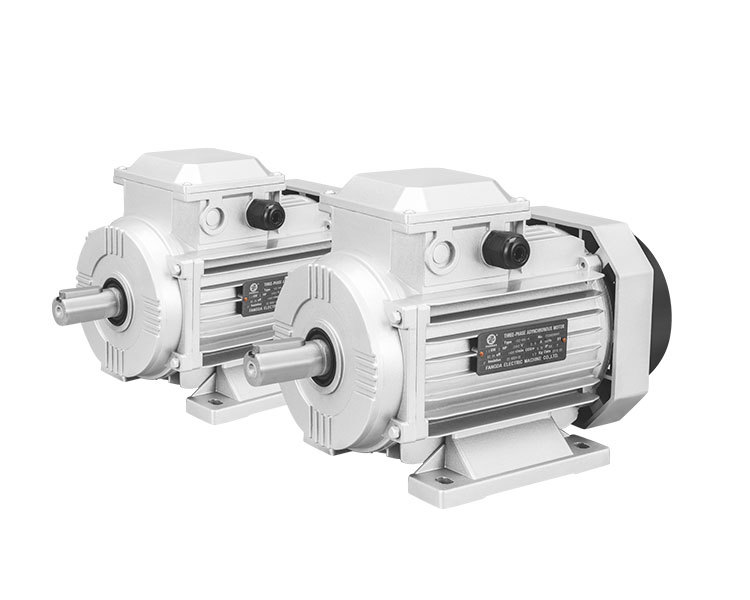
Three-phase asynchronous motors, also known as induction motors, are widely utilized in various applications, including automotive electrical systems. These motors operate on the principle of electromagnetic induction, where the rotor is induced to turn by the magnetic field generated by three-phase alternating current. One of their primary advantages is their simplicity and robustness, making them ideal for automotive applications such as starter motors and various electrical systems.
The design of a three-phase asynchronous motor typically consists of a stator and a rotor. The stator, which is the stationary part, contains wound coils that create a rotating magnetic field when energized by three-phase power supply. The rotor, usually of a squirrel-cage design, rotates in response to the changing magnetic field, resulting in mechanical output. This design enables the motor to operate efficiently and reliably under various load conditions, which is essential in automotive applications where performance and durability are critical.
One of the key benefits of three-phase asynchronous motors is their self-starting capability. Unlike single-phase motors, which often require additional starting mechanisms, three-phase motors can start under load without external assistance. This feature is particularly advantageous in automotive applications, where efficient starting is necessary for the overall performance of the vehicle.
Another significant aspect of three-phase asynchronous motors is their efficiency. They typically exhibit higher efficiency compared to their single-phase counterparts, leading to reduced energy consumption. This is crucial in automotive applications, where optimizing energy use is vital for enhancing fuel efficiency and reducing emissions. Additionally, these motors are known for their low maintenance requirements, contributing to the overall reliability and longevity of automotive systems.
In terms of control, three-phase asynchronous motors can be easily integrated with variable frequency drives (VFDs) to regulate speed and torque. This adaptability allows for precise control of motor performance, making them suitable for a wide range of automotive applications, from engine cooling fans to power steering systems.
In conclusion, three-phase asynchronous motors play a pivotal role in the automotive industry, offering reliability, efficiency, and ease of use. Their unique operational characteristics make them an ideal choice for various automotive electrical and electronic components. Understanding the principles and advantages of these motors can significantly enhance your knowledge and application of automotive technologies, ultimately leading to improved vehicle performance and sustainability.
The design of a three-phase asynchronous motor typically consists of a stator and a rotor. The stator, which is the stationary part, contains wound coils that create a rotating magnetic field when energized by three-phase power supply. The rotor, usually of a squirrel-cage design, rotates in response to the changing magnetic field, resulting in mechanical output. This design enables the motor to operate efficiently and reliably under various load conditions, which is essential in automotive applications where performance and durability are critical.
One of the key benefits of three-phase asynchronous motors is their self-starting capability. Unlike single-phase motors, which often require additional starting mechanisms, three-phase motors can start under load without external assistance. This feature is particularly advantageous in automotive applications, where efficient starting is necessary for the overall performance of the vehicle.
Another significant aspect of three-phase asynchronous motors is their efficiency. They typically exhibit higher efficiency compared to their single-phase counterparts, leading to reduced energy consumption. This is crucial in automotive applications, where optimizing energy use is vital for enhancing fuel efficiency and reducing emissions. Additionally, these motors are known for their low maintenance requirements, contributing to the overall reliability and longevity of automotive systems.
In terms of control, three-phase asynchronous motors can be easily integrated with variable frequency drives (VFDs) to regulate speed and torque. This adaptability allows for precise control of motor performance, making them suitable for a wide range of automotive applications, from engine cooling fans to power steering systems.
In conclusion, three-phase asynchronous motors play a pivotal role in the automotive industry, offering reliability, efficiency, and ease of use. Their unique operational characteristics make them an ideal choice for various automotive electrical and electronic components. Understanding the principles and advantages of these motors can significantly enhance your knowledge and application of automotive technologies, ultimately leading to improved vehicle performance and sustainability.


Contact
E-mail :
Tel/ WhatsApp:
Address:
Daxi Industrial District, Daxi Town, Wenling City, Zhejiang, China
Daxi Industrial District, Daxi Town, Wenling City, Zhejiang, China
