WELCOME TO FANGDA ELECTRIC MACHINE CO..LTD



The Future of Power Generation: Innovations in Special-Type Motors
Aug 10,2026
The Future of Power Generation: Innovations in Special-Type Motors
Table of Contents
1. Understanding Special-Type Motors in Power Generation
2. The Role of Technology in Enhancing Motor Efficiency
3. Types of Special-Type Motors and Their Applications
3.1 Brushless DC Motors
3.2 Switched Reluctance Motors
3.3 Permanent Magnet Synchronous Motors
4. Innovations Driving the Future of
The Future of Power Generation: Innovations in Special-Type Motors
Table of Contents
1. Understanding Special-Type Motors in Power Generation
2. The Role of Technology in Enhancing Motor Efficiency
3. Types of Special-Type Motors and Their Applications
3.1 Brushless DC Motors
3.2 Switched Reluctance Motors
3.3 Permanent Magnet Synchronous Motors
4. Innovations Driving the Future of Power Generation
4.1 Advances in Smart Motor Control Systems
4.2 Integration of Renewable Energy Sources
5. The Importance of Sustainability in Motor Technology
6. Challenges in Implementing Special-Type Motors
7. Future Trends and Predictions for Special-Type Motors
8. Frequently Asked Questions (FAQs)
9. Conclusion: Embracing the Future of Power Generation
1. Understanding Special-Type Motors in Power Generation
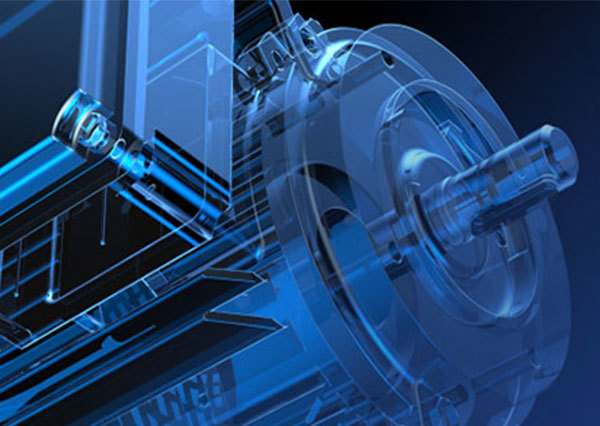
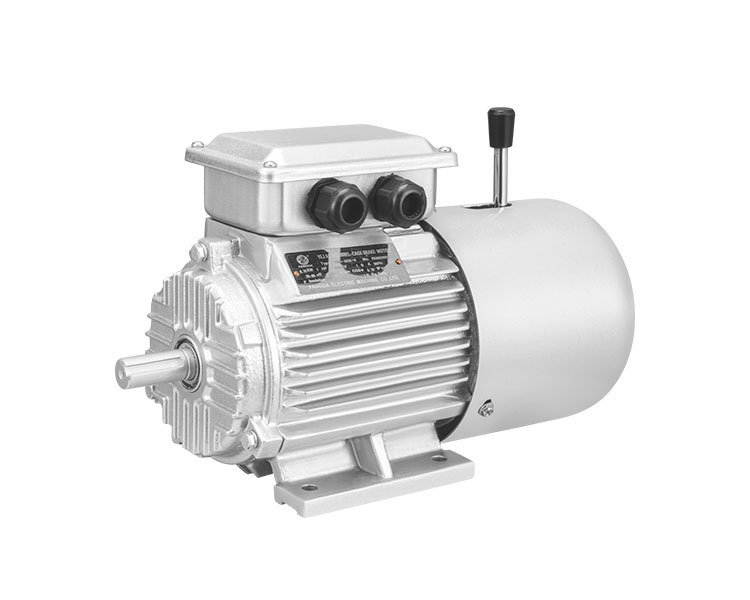
Special-type motors are designed to meet the evolving demands of the power generation sector. Unlike conventional motors, these specialized variants focus on efficiency, compactness, and performance. As global energy requirements shift towards sustainability, understanding these motors becomes crucial for industry stakeholders.
Special-type motors can be defined as those engineered for specific applications, providing tailored solutions for diverse energy needs. They play a pivotal role in improving the overall efficiency of power generation systems, leading to reduced operational costs and environmental impacts.
2. The Role of Technology in Enhancing Motor Efficiency
Technological advancements have significantly influenced motor efficiency. Improved materials, innovative designs, and sophisticated control systems are at the forefront of this transformation. For instance, the development of high-performance magnets and advanced cooling techniques allows motors to operate at higher efficiencies.
Moreover, digital technologies such as the Internet of Things (IoT) and Artificial Intelligence (AI) are being integrated into motor systems. These technologies enable real-time monitoring and predictive maintenance, which reduce downtime and enhance operational reliability.
3. Types of Special-Type Motors and Their Applications
Understanding the various types of special-type motors is essential for grasping their applications in power generation.
3.1 Brushless DC Motors
Brushless DC motors (BLDC) are widely used in applications requiring high efficiency and precise control. They eliminate the need for brushes, which reduces maintenance requirements and enhances lifespan. BLDC motors are particularly effective in renewable energy systems, such as wind and solar power, where reliability is crucial.
3.2 Switched Reluctance Motors
Switched reluctance motors (SRM) are known for their robust design and simple construction. These motors are highly efficient and can operate in harsh environments, making them suitable for industrial applications. Their ability to handle high speeds and torque is beneficial for various power generation setups.
3.3 Permanent Magnet Synchronous Motors
Permanent magnet synchronous motors (PMSM) offer high efficiency and excellent performance. By utilizing permanent magnets in the rotor, these motors achieve superior performance characteristics. They are commonly found in applications like electric vehicles and industrial machinery, showcasing their versatility in power generation.
4. Innovations Driving the Future of Power Generation
Innovation is the backbone of the energy sector, and special-type motors are not an exception. Various advancements are reshaping the landscape of power generation.
4.1 Advances in Smart Motor Control Systems
Smart motor control systems utilize advanced algorithms and sensors to optimize motor performance. These systems enable precise control over motor speed and torque, leading to enhanced energy efficiency. By implementing predictive analytics, operators can foresee potential issues, ensuring consistent performance.
4.2 Integration of Renewable Energy Sources
Integrating special-type motors with renewable energy sources is a game-changer. As the world shifts toward greener energy, these motors facilitate seamless connections between energy generation and consumption. Their adaptability allows for effective use of solar panels and wind turbines, significantly reducing carbon footprints.
5. The Importance of Sustainability in Motor Technology
Sustainability is a key consideration in the design and operation of special-type motors. As the demand for energy rises, the importance of environmentally friendly technology becomes increasingly clear.
Innovations in motor technology lead to lower energy consumption, reduced waste, and minimized emissions. Companies embracing these sustainable practices not only contribute to environmental preservation but also position themselves competitively in the market.
6. Challenges in Implementing Special-Type Motors
Despite the advantages, implementing special-type motors comes with challenges. High initial costs, technical complexities, and the need for skilled personnel can hinder their widespread adoption.
Moreover, integrating these motors into existing systems often requires significant infrastructural changes, which can pose logistical challenges. Addressing these issues is crucial for accelerating the transition to advanced motor technologies.
7. Future Trends and Predictions for Special-Type Motors
As we look to the future, several trends are likely to shape the landscape of special-type motors in power generation.
Advancements in materials science will lead to lighter, more efficient motors. The continued integration of AI and machine learning into motor systems will enhance predictive maintenance and operational efficiency. Additionally, the push for electrification across industries will drive demand for special-type motors, leading to further innovations.
8. Frequently Asked Questions (FAQs)
**Q1: What are the benefits of using special-type motors in power generation?**
A1: Special-type motors offer enhanced efficiency, reduced maintenance, and improved performance, making them ideal for modern power generation applications.
**Q2: How do brushless DC motors differ from conventional motors?**
A2: Brushless DC motors have no brushes, resulting in lower maintenance needs and higher efficiency compared to conventional motors.
**Q3: What role does AI play in motor technology?**
A3: AI enhances motor performance by enabling predictive maintenance, optimizing control systems, and improving energy efficiency.
**Q4: Are special-type motors suitable for renewable energy applications?**
A4: Yes, special-type motors, such as BLDC and PMSM, are highly effective in renewable energy applications due to their efficiency and reliability.
**Q5: What challenges do industries face in adopting special-type motors?**
A5: High initial costs, technical complexities, and the need for infrastructural changes are significant challenges faced by industries in adopting special-type motors.
9. Conclusion: Embracing the Future of Power Generation
The future of power generation is poised for transformation, largely driven by innovations in special-type motors. As industries and consumers alike seek sustainable, efficient energy solutions, these specialized motors will play a crucial role. By embracing technological advancements and overcoming existing challenges, stakeholders in the power generation sector can harness the full potential of special-type motors. As we move forward, the continued evolution of motor technology will undoubtedly shape a more sustainable and efficient energy landscape.


Contact
E-mail :
Tel/ WhatsApp:
Address:
Daxi Industrial District, Daxi Town, Wenling City, Zhejiang, China
Daxi Industrial District, Daxi Town, Wenling City, Zhejiang, China
