WELCOME TO FANGDA ELECTRIC MACHINE CO..LTD



Understanding Single-Phase Asynchronous Motors: A Comprehensive Guide
Aug 11,2026
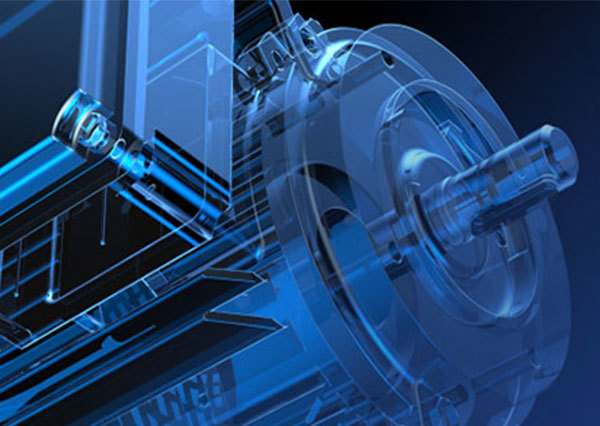
Single-phase asynchronous motors are a vital component in various electrical and mechanical applications. These motors operate on the principle of electromagnetic induction and are widely used due to their simplicity and versatility. Understanding how they function can greatly benefit professionals in the electrical engineering sector, especially those involved in generator and motor system applic
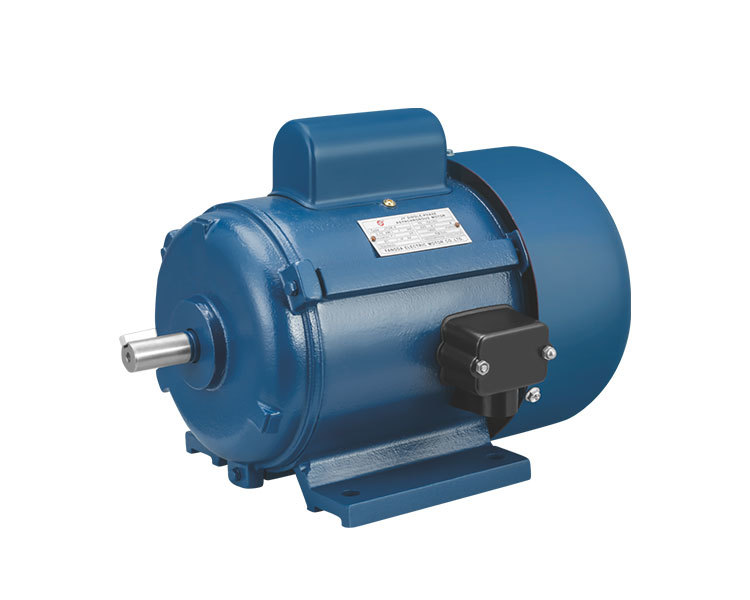
Single-phase asynchronous motors are a vital component in various electrical and mechanical applications. These motors operate on the principle of electromagnetic induction and are widely used due to their simplicity and versatility. Understanding how they function can greatly benefit professionals in the electrical engineering sector, especially those involved in generator and motor system applications.
### Operational Principles
Single-phase asynchronous motors, unlike three-phase motors, require only a single alternating current for operation. The key feature of these motors is the asynchronous operation, meaning that the rotor does not rotate at the same speed as the magnetic field produced by the stator. The rotor speed is always less than the synchronous speed, which is determined by the frequency of the input supply and the number of poles in the motor.
These motors typically consist of two main parts: the stator and the rotor. The stator generates a rotating magnetic field when electrical current flows through it, while the rotor is induced to rotate due to the interaction with this magnetic field. Start-up mechanisms such as capacitor or split-phase designs are often employed to help initiate motion, making them suitable for various applications.
### Applications
Single-phase asynchronous motors are commonly found in household appliances, such as fans, washing machines, and refrigerators, as well as in small industrial applications. Their ability to operate on a single phase of electricity makes them especially useful in locations where three-phase supply is unavailable. Additionally, their compact size and relatively low cost contribute to their widespread use across different sectors.
### Advantages
One of the significant advantages of single-phase asynchronous motors is their ease of maintenance. They typically have fewer components compared to three-phase motors, which translates to lower wear and tear and a longer lifespan. Furthermore, they are generally more cost-effective, making them an appealing choice for small-scale applications where budget constraints are a concern.
### Maintenance Tips
To ensure the longevity and efficiency of single-phase asynchronous motors, regular maintenance is essential. Here are some practical tips:
1. **Regular Inspections**: Check for signs of wear and tear, including unusual noises or vibrations, which may indicate issues with bearings or other components.
2. **Cleanliness**: Keep the motor housing clean and free from dust and debris to avoid overheating and maintain optimal performance.
3. **Lubrication**: Ensure that bearings and other moving parts are properly lubricated according to the manufacturer's specifications.
4. **Electrical Connections**: Regularly inspect electrical connections for signs of corrosion or wear, as poor connections can lead to reduced efficiency and potential motor failure.
In conclusion, single-phase asynchronous motors play a crucial role in both household and industrial applications. Their operational principles, advantages, and maintenance requirements make them a valuable topic for professionals in the electrical engineering field to understand and master. By implementing proper care and knowledge, users can maximize the efficiency and lifespan of these essential motors.
### Operational Principles
Single-phase asynchronous motors, unlike three-phase motors, require only a single alternating current for operation. The key feature of these motors is the asynchronous operation, meaning that the rotor does not rotate at the same speed as the magnetic field produced by the stator. The rotor speed is always less than the synchronous speed, which is determined by the frequency of the input supply and the number of poles in the motor.
These motors typically consist of two main parts: the stator and the rotor. The stator generates a rotating magnetic field when electrical current flows through it, while the rotor is induced to rotate due to the interaction with this magnetic field. Start-up mechanisms such as capacitor or split-phase designs are often employed to help initiate motion, making them suitable for various applications.
### Applications
Single-phase asynchronous motors are commonly found in household appliances, such as fans, washing machines, and refrigerators, as well as in small industrial applications. Their ability to operate on a single phase of electricity makes them especially useful in locations where three-phase supply is unavailable. Additionally, their compact size and relatively low cost contribute to their widespread use across different sectors.
### Advantages
One of the significant advantages of single-phase asynchronous motors is their ease of maintenance. They typically have fewer components compared to three-phase motors, which translates to lower wear and tear and a longer lifespan. Furthermore, they are generally more cost-effective, making them an appealing choice for small-scale applications where budget constraints are a concern.
### Maintenance Tips
To ensure the longevity and efficiency of single-phase asynchronous motors, regular maintenance is essential. Here are some practical tips:
1. **Regular Inspections**: Check for signs of wear and tear, including unusual noises or vibrations, which may indicate issues with bearings or other components.
2. **Cleanliness**: Keep the motor housing clean and free from dust and debris to avoid overheating and maintain optimal performance.
3. **Lubrication**: Ensure that bearings and other moving parts are properly lubricated according to the manufacturer's specifications.
4. **Electrical Connections**: Regularly inspect electrical connections for signs of corrosion or wear, as poor connections can lead to reduced efficiency and potential motor failure.
In conclusion, single-phase asynchronous motors play a crucial role in both household and industrial applications. Their operational principles, advantages, and maintenance requirements make them a valuable topic for professionals in the electrical engineering field to understand and master. By implementing proper care and knowledge, users can maximize the efficiency and lifespan of these essential motors.


Contact
E-mail :
Tel/ WhatsApp:
Address:
Daxi Industrial District, Daxi Town, Wenling City, Zhejiang, China
Daxi Industrial District, Daxi Town, Wenling City, Zhejiang, China
