WELCOME TO FANGDA ELECTRIC MACHINE CO..LTD



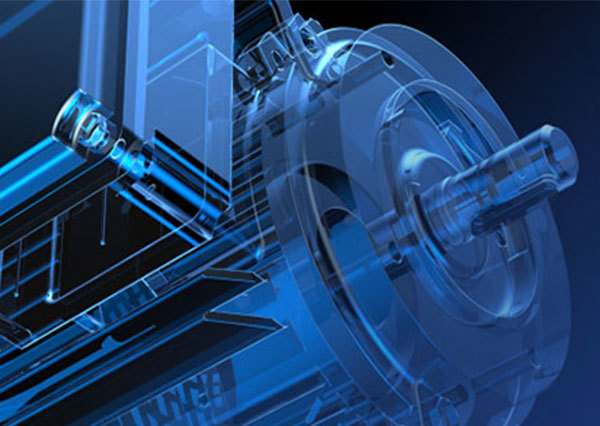
Special-Type Motors vs. Traditional Motors: What You Need to Know
Sep 01,2026
Special-Type Motors vs. Traditional Motors: What You Need to Know
Table of Contents
Introduction to Special-Type Motors and Traditional Motors
Defining Special-Type Motors
Defining Traditional Motors
Key Differences Between Special-Type Motors and Traditional Motors
Applications of Special-Type Motors
Advantages of Special-Type Motors
Considerations When Choosing Between Motors
Maintenance and Li
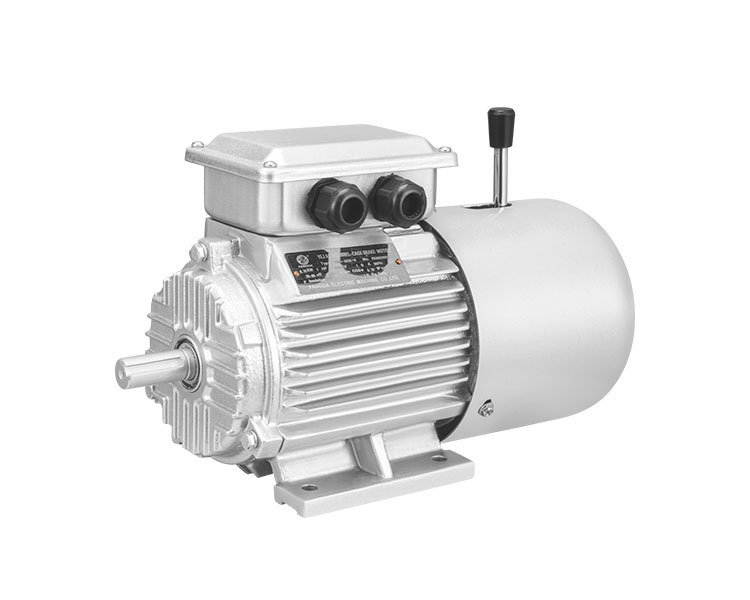
Special-Type Motors vs. Traditional Motors: What You Need to Know
Table of Contents
- Introduction to Special-Type Motors and Traditional Motors
- Defining Special-Type Motors
- Defining Traditional Motors
- Key Differences Between Special-Type Motors and Traditional Motors
- Applications of Special-Type Motors
- Advantages of Special-Type Motors
- Considerations When Choosing Between Motors
- Maintenance and Lifespan of Motors
- Future Trends in Motor Technology
- FAQs
- Conclusion
Introduction to Special-Type Motors and Traditional Motors
When it comes to industrial applications, **motors** play a pivotal role in powering equipment and machinery. Among the various options available, **special-type motors** and **traditional motors** stand out for their unique characteristics and applications. Understanding the differences and the specific advantages of each type of motor is crucial for engineers, procurement managers, and anyone involved in the selection of electrical equipment.
As industries evolve and technology advances, the need for optimized performance, energy efficiency, and versatility becomes paramount. This article will explore the intricacies of special-type motors and traditional motors, highlighting their differences, applications, and advantages to guide you in making informed decisions for your projects.
Defining Special-Type Motors
Special-type motors are designed for specific applications that require unique operational characteristics. These motors are often customized to meet distinct needs, such as high torque, precise speed control, or operation under extreme environmental conditions. Common examples include:
- **Servo Motors:** Used in robotics and CNC machinery for precise control of position and speed.
- **Stepper Motors:** Ideal for applications requiring precise positioning and repeatability.
- **Synchronous Motors:** Often employed in applications requiring constant speed and high efficiency, such as in power generation.
- **Linear Motors:** Used for direct linear motion applications, eliminating the need for rotary-to-linear conversions.
The design and construction of special-type motors often incorporate advanced materials and technologies, enabling them to outperform traditional motors in specific scenarios.
Defining Traditional Motors
Traditional motors, primarily consisting of **induction motors** and **DC motors**, are widely used in various industries due to their simplicity, reliability, and cost-effectiveness. The key characteristics of traditional motors include:
- **Induction Motors:** The most commonly used type of motor, powered by alternating current (AC). They are known for their ruggedness and low maintenance requirements.
- **DC Motors:** Powered by direct current (DC), these motors offer high starting torque and are easily controllable, making them suitable for a range of applications.
Both traditional motors are typically employed in applications that do not require the specialized features of their counterparts, making them suitable for general-purpose use.
Key Differences Between Special-Type Motors and Traditional Motors
Understanding the fundamental differences between special-type motors and traditional motors is essential for making informed choices. Here are the key distinctions:
Design and Construction
While traditional motors feature standardized designs, special-type motors often include bespoke engineering tailored to specific tasks. This customization can lead to enhanced performance and efficiency, but may also increase complexity and cost.
Performance Characteristics
Special-type motors excel in applications requiring high precision, variable speed control, and specialized power needs. In contrast, traditional motors are known for their robustness and general utility, making them suitable for a broader range of tasks.
Cost Considerations
Generally, special-type motors carry a higher upfront cost due to their specialized components and engineering. However, their enhanced performance can lead to cost savings in energy consumption and maintenance over time.
Applications of Special-Type Motors
Special-type motors are employed in diverse industries where specific operational requirements must be met. Some notable applications include:
Robotics and Automation
Servo and stepper motors are critical in robotics, enabling precise control of movement and positioning in robotic arms and automated machinery.
HVAC Systems
Special motors designed for heating, ventilation, and air conditioning systems provide efficient and reliable performance in regulating temperature and airflow.
Consumer Electronics
Various consumer electronics, such as printers and cameras, utilize stepper and servo motors to achieve accurate movement and control.
Aerospace and Defense
In these high-stakes environments, special motors are crucial for applications requiring reliability and precision, such as in avionics and missile guidance systems.
Advantages of Special-Type Motors
Investing in special-type motors often yields significant advantages, including:
Enhanced Precision and Control
Special-type motors allow for precise control of speed and positioning, making them ideal for applications requiring tight tolerances.
Energy Efficiency
Many special-type motors are designed to be energy-efficient, reducing operational costs and environmental impact.
Customization for Specific Needs
The ability to customize motors means that organizations can develop solutions tailored to their unique operational demands.
Greater Reliability in Extreme Conditions
Special-type motors are often engineered to withstand harsh environments, ensuring consistent performance even under challenging conditions.
Considerations When Choosing Between Motors
Selecting the right motor for your application requires careful consideration of several factors:
Application Requirements
Understand the specific needs of your application, including speed, torque, and environmental conditions. This understanding will guide you toward the appropriate motor type.
Cost vs. Performance
Evaluate the trade-off between initial costs and long-term performance benefits. While special-type motors may be more expensive upfront, they could result in overall savings.
Energy Efficiency
Consider energy consumption and efficiency ratings. Selecting motors with high efficiency can lead to significant cost savings over time.
Maintenance and Support
Assess the availability of technical support and the maintenance requirements of the motors you are considering. Reliable support can save time and resources in the long run.
Maintenance and Lifespan of Motors
Proper maintenance is essential for maximizing the lifespan and performance of both special-type and traditional motors. Here are some tips:
Regular Inspections
Conduct routine inspections to identify any signs of wear, damage, or abnormal operation. Early detection of issues can prevent costly downtime.
Lubrication
Ensure that motors are adequately lubricated according to manufacturer recommendations to reduce friction and wear.
Cleaning
Keep motors clean and free from dust and debris, which can interfere with performance and lead to overheating.
Monitoring Vibration and Noise
Implement vibration and noise monitoring systems to detect potential problems early. Unusual vibrations or sounds can indicate mechanical issues that need addressing.
Future Trends in Motor Technology
The motor technology landscape is continually evolving, with several trends emerging that could shape the future:
Increased Automation
As industries increasingly adopt automation, the demand for precision motors, such as servo and stepper motors, is expected to rise.
Integration with Smart Technologies
The integration of smart technologies and IoT (Internet of Things) is paving the way for smarter motors that can self-diagnose and optimize performance based on real-time data.
Sustainability Initiatives
With a growing focus on sustainable practices, manufacturers are developing energy-efficient motors that reduce operational costs and environmental impact.
Enhanced Materials and Design
Advancements in materials science are leading to stronger, lighter motor designs, which can improve efficiency and performance.
FAQs
1. What are the main differences between special-type motors and traditional motors?
Special-type motors are customized for specific applications, offering enhanced performance and precision, while traditional motors are more general-purpose and cost-effective.
2. Are special-type motors worth the higher cost?
Yes, while special-type motors may have a higher initial cost, their operational efficiency and tailored performance can lead to long-term savings.
3. Can special-type motors be used in outdoor applications?
Yes, many special-type motors are designed to withstand harsh environmental conditions, making them suitable for outdoor use.
4. How do I maintain my motors for optimal performance?
Regular inspections, lubrication, and cleaning are crucial maintenance practices to ensure your motors operate efficiently and have a long lifespan.
5. What industries benefit most from using special-type motors?
Industries such as robotics, aerospace, HVAC, and consumer electronics greatly benefit from the precision and efficiency provided by special-type motors.
Conclusion
In summary, the choice between special-type motors and traditional motors hinges on understanding the unique requirements of your application. While traditional motors offer general reliability and cost-effectiveness, special-type motors provide enhanced precision and performance for specific tasks. By weighing the advantages of each type against your operational needs, you can make informed decisions that will optimize your processes and improve efficiency. Embracing the right motor technology is a crucial step towards achieving your industry goals, from energy efficiency to meeting stringent operational demands.


Contact
E-mail :
Tel/ WhatsApp:
Address:
Daxi Industrial District, Daxi Town, Wenling City, Zhejiang, China
Daxi Industrial District, Daxi Town, Wenling City, Zhejiang, China
