WELCOME TO FANGDA ELECTRIC MACHINE CO..LTD



Understanding Single-Phase Asynchronous Motors: Key Insights for Electrical Professionals
Sep 02,2026
Single-phase asynchronous motors are essential components in various electrical applications, especially in the realm of generator systems. Unlike their three-phase counterparts, these motors operate on a single-phase supply, making them ideal for residential and light industrial applications where three-phase power is not available. Understanding their construction and operational principles can
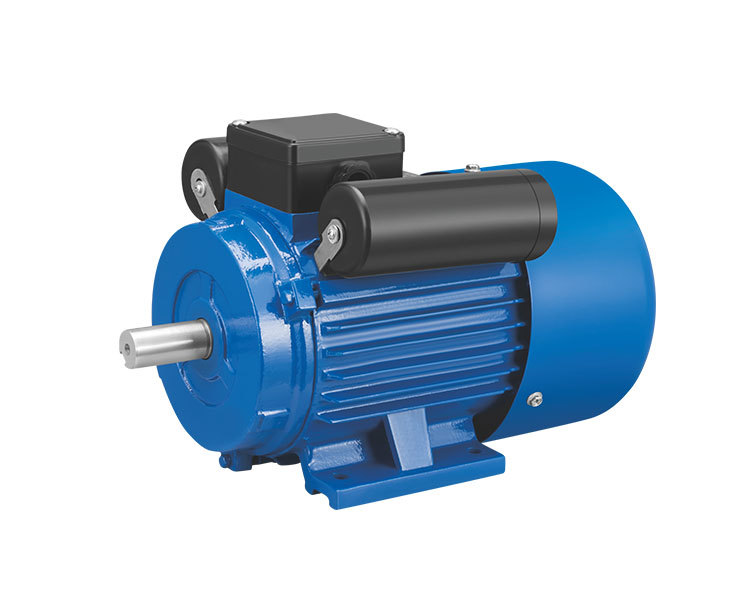
Single-phase asynchronous motors are essential components in various electrical applications, especially in the realm of generator systems. Unlike their three-phase counterparts, these motors operate on a single-phase supply, making them ideal for residential and light industrial applications where three-phase power is not available. Understanding their construction and operational principles can significantly benefit electrical professionals.
The working principle of a single-phase asynchronous motor relies on the generation of a rotating magnetic field, created by the interaction of the stator windings and the supply current. This motor type typically uses an induction mechanism, where the rotor does not have any electrical connections but instead induces a current through the magnetic field produced by the stator. The rotor, usually squirrel-cage type, rotates due to the torque generated by this magnetic interaction.
In terms of applications, single-phase asynchronous motors are widely used in fans, pumps, compressors, and small machinery. Their design makes them particularly suitable for applications requiring minimal starting torque and where speed regulation is not critical. They are often preferred for household appliances like washing machines, refrigerators, and air conditioners due to their simplicity and reliability.
One of the key advantages of single-phase asynchronous motors is their relatively low cost and easy maintenance. Since they have fewer components compared to three-phase motors, they tend to offer a more straightforward installation process and require less specialized service. Additionally, they can operate efficiently in environments where space and power supply are constrained.
However, while they are versatile and cost-effective, single-phase asynchronous motors do have limitations. They generally provide lower starting torque compared to three-phase motors, which can be a drawback in certain applications that require high starting capabilities. Also, for larger and more demanding operations, three-phase motors are often preferred due to their enhanced performance and efficiency.
In conclusion, single-phase asynchronous motors play a crucial role in various electrical applications, particularly in generator systems. Their operation is based on the principles of induction and rotating magnetic fields, making them an ideal choice for light industrial and residential settings. Understanding their advantages and limitations can help professionals make informed decisions when selecting motors for specific applications, ensuring optimal performance and efficiency in their electrical systems.
The working principle of a single-phase asynchronous motor relies on the generation of a rotating magnetic field, created by the interaction of the stator windings and the supply current. This motor type typically uses an induction mechanism, where the rotor does not have any electrical connections but instead induces a current through the magnetic field produced by the stator. The rotor, usually squirrel-cage type, rotates due to the torque generated by this magnetic interaction.
In terms of applications, single-phase asynchronous motors are widely used in fans, pumps, compressors, and small machinery. Their design makes them particularly suitable for applications requiring minimal starting torque and where speed regulation is not critical. They are often preferred for household appliances like washing machines, refrigerators, and air conditioners due to their simplicity and reliability.
One of the key advantages of single-phase asynchronous motors is their relatively low cost and easy maintenance. Since they have fewer components compared to three-phase motors, they tend to offer a more straightforward installation process and require less specialized service. Additionally, they can operate efficiently in environments where space and power supply are constrained.
However, while they are versatile and cost-effective, single-phase asynchronous motors do have limitations. They generally provide lower starting torque compared to three-phase motors, which can be a drawback in certain applications that require high starting capabilities. Also, for larger and more demanding operations, three-phase motors are often preferred due to their enhanced performance and efficiency.
In conclusion, single-phase asynchronous motors play a crucial role in various electrical applications, particularly in generator systems. Their operation is based on the principles of induction and rotating magnetic fields, making them an ideal choice for light industrial and residential settings. Understanding their advantages and limitations can help professionals make informed decisions when selecting motors for specific applications, ensuring optimal performance and efficiency in their electrical systems.


Contact
E-mail :
Tel/ WhatsApp:
Address:
Daxi Industrial District, Daxi Town, Wenling City, Zhejiang, China
Daxi Industrial District, Daxi Town, Wenling City, Zhejiang, China
