WELCOME TO FANGDA ELECTRIC MACHINE CO..LTD



Why Induction Motors Are Essential for Reliable Generator Operations
Sep 17,2026
Introduction to Induction Motors in Generator Systems
In the realm of power generation, the choice of motor is paramount to ensuring efficiency and reliability. Induction motors, known for their robust performance and simplicity in design, play a vital role in the operation of generators. Understanding the interaction between induction motors and generators is essential for optimizing power outp
Introduction to Induction Motors in Generator Systems
In the realm of power generation, the choice of motor is paramount to ensuring efficiency and reliability. Induction motors, known for their robust performance and simplicity in design, play a vital role in the operation of generators. Understanding the interaction between induction motors and generators is essential for optimizing power output and reliability.
The Basics of Induction Motors
Induction motors are widely used in industrial applications due to their ruggedness and low maintenance requirements. They operate on the principle of electromagnetic induction, where the rotor is induced by the stator’s magnetic field, resulting in rotational motion. This section will delve into the construction and working principles that make induction motors a preferred choice for generator applications.
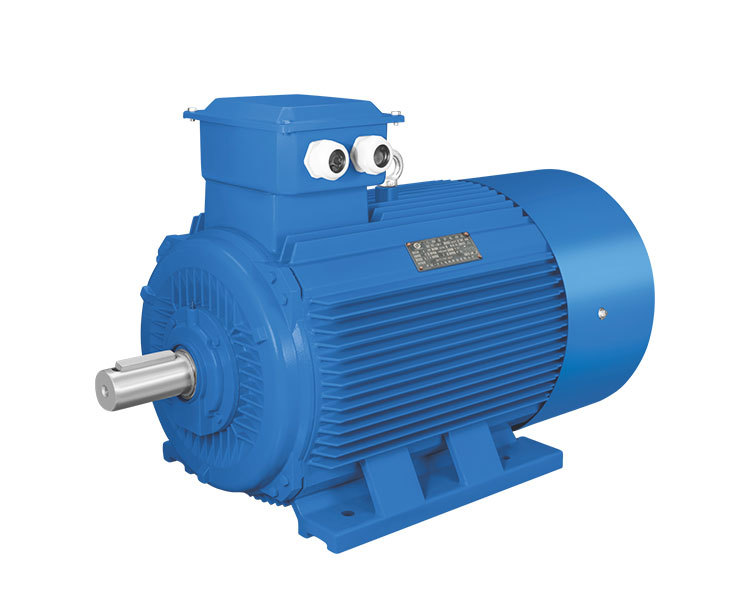
Components of Induction Motors
The primary components of an induction motor include:
- **Stator**: The stationary part that houses the windings and generates a rotating magnetic field.
- **Rotor**: The rotating component that is set in motion by the magnetic field of the stator.
- **Bearings**: Essential for minimizing friction during rotation, thus enhancing efficiency.
Understanding these components helps us appreciate how induction motors contribute to the effective operation of generators.
How Induction Motors Work
Induction motors operate by creating a rotating magnetic field through the stator windings, which induces a current in the rotor. This induced current generates its magnetic field, causing the rotor to turn and perform work. The interaction between the stator and rotor is what makes these motors particularly efficient and reliable for generator applications.
Why Induction Motors Are Preferred for Generator Operations
Induction motors are favored in generator setups for several compelling reasons. Their design and operational characteristics align closely with the requirements of reliable power generation.
High Reliability and Durability
Induction motors are known for their durability, capable of withstanding harsh operating conditions without significant wear and tear. This reliability translates into consistent generator performance, minimizing downtime and maintenance costs.
Low Maintenance and Operational Costs
The simplicity of induction motors means fewer moving parts compared to other motor types. This aspect leads to lower maintenance requirements, which is an attractive factor for power generation facilities aiming to reduce operational expenses.
Efficiency in Power Generation
The efficiency of induction motors in converting electrical energy into mechanical energy is crucial for optimizing generator output. Their ability to operate at different loads without significant loss of efficiency makes them invaluable in dynamic power generation settings.
Applications of Induction Motors in Generators
Induction motors find applications in various types of generators, including wind, hydroelectric, and diesel generators. Each application leverages the unique strengths of induction motors to enhance operational performance.
Wind Turbine Generators
In wind turbine systems, induction motors are often used due to their ability to handle variable speeds efficiently. The robustness of these motors allows for reliable operation despite fluctuating wind conditions.
Hydroelectric Generators
Hydroelectric power plants benefit from induction motors, particularly in applications where consistent torque and reliability are essential. Their capacity to operate in synchronous and asynchronous modes further enhances their utility in this sector.
Diesel Generators
Induction motors in diesel generators facilitate smooth operation and effective power conversion, making them a mainstay in backup and remote power generation applications.
Advantages of Using Induction Motors with Generators
The integration of induction motors with generators comes with several advantages that contribute to overall system efficiency and reliability.
Versatility and Adaptability
Induction motors can adapt to a wide range of operational conditions, making them suitable for various generator types and applications. This versatility allows for smoother integration into different power generation systems.
Cost-Effectiveness
The initial investment for induction motors may be slightly higher than some alternatives; however, the reduced maintenance and operational costs make them a cost-effective choice in the long run.
Improved Power Factor
Induction motors can help improve the power factor of a generator system, which is essential for minimizing energy losses and enhancing overall efficiency in electrical systems.
Challenges and Considerations When Using Induction Motors
Despite their many benefits, there are challenges associated with using induction motors in generator operations. Understanding these challenges can help optimize performance.
Starting Torque Limitations
Induction motors typically have lower starting torque compared to other motor types, which can be a limitation in certain generator applications. Proper sizing and selection are crucial to ensure adequate performance during startup.
Heat Generation and Cooling Requirements
The operation of induction motors generates heat, necessitating effective cooling systems to prevent overheating. Proper thermal management is required to maintain operational integrity and efficiency.
Best Practices for Maintaining Induction Motors in Generators
Regular maintenance is essential for ensuring the longevity and performance of induction motors within generator systems. Here are some best practices to consider.
Routine Inspections
Performing regular inspections helps identify wear and tear, allowing for timely interventions before minor issues escalate into major problems.
Monitoring Temperature and Vibration Levels
Continuous monitoring of temperature and vibration can provide early warning signs of potential failures, enabling proactive maintenance actions.
Lubrication and Bearing Maintenance
Proper lubrication of bearings is essential to minimize friction and wear, thereby enhancing the lifespan of the motor.
Future Trends in Induction Motors and Generator Technology
As technology continues to evolve, induction motors and their applications in generators will also see advancements. Emerging trends include the integration of smart technologies, improved materials for better efficiency, and advancements in control systems.
Smart Motor Controls
The incorporation of smart motor controls allows for enhanced monitoring and operational efficiency, enabling better alignment of motor performance with generator output needs.
Enhanced Materials for Improved Efficiency
Research and development into new materials and construction techniques for induction motors promise to enhance efficiency and performance, making them an even more attractive choice for future generator systems.
FAQs About Induction Motors and Generators
1. What is the primary advantage of using induction motors in generators?
The primary advantage is their reliability and low maintenance requirements, which stabilize generator operations.
2. Can induction motors operate at variable speeds?
Yes, induction motors can operate at variable speeds, making them highly adaptable for different generator applications.
3. How do induction motors improve generator efficiency?
Induction motors maintain high efficiency across various loads, reducing energy losses and enhancing overall generator output.
4. Are there any specific maintenance routines for induction motors?
Yes, routine inspections, temperature monitoring, and proper lubrication are crucial for maintaining induction motors.
5. What future enhancements can we expect in induction motor technology?
Future enhancements may include smarter controls, improved materials, and technologies aimed at boosting efficiency and performance.
Conclusion
Induction motors have established themselves as essential components in reliable generator operations. Their robust design, low maintenance, and efficiency make them a preferred choice across various applications, from wind turbines to diesel generators. As technology advances, further improvements in induction motor capabilities and their integration with generators will continue to enhance the reliability and efficiency of power generation systems. Understanding the intricacies of induction motors not only benefits engineers and technicians but also contributes significantly to the broader goal of sustainable and efficient electricity generation.
PREVIOUS:

Contact
E-mail :
Tel/ WhatsApp:
Address:
Daxi Industrial District, Daxi Town, Wenling City, Zhejiang, China
Daxi Industrial District, Daxi Town, Wenling City, Zhejiang, China
