WELCOME TO FANGDA ELECTRIC MACHINE CO..LTD



Understanding Three-Phase Asynchronous Motors: Key Insights for Automotive Applications
Sep 18,2026
Three-phase asynchronous motors, also known as induction motors, are widely used in various industrial applications, including automotive electronics and electrical components. These motors operate on the principle of electromagnetic induction, where the electric current in the stator windings generates a rotating magnetic field, which induces a current in the rotor. This results in the rotor turn
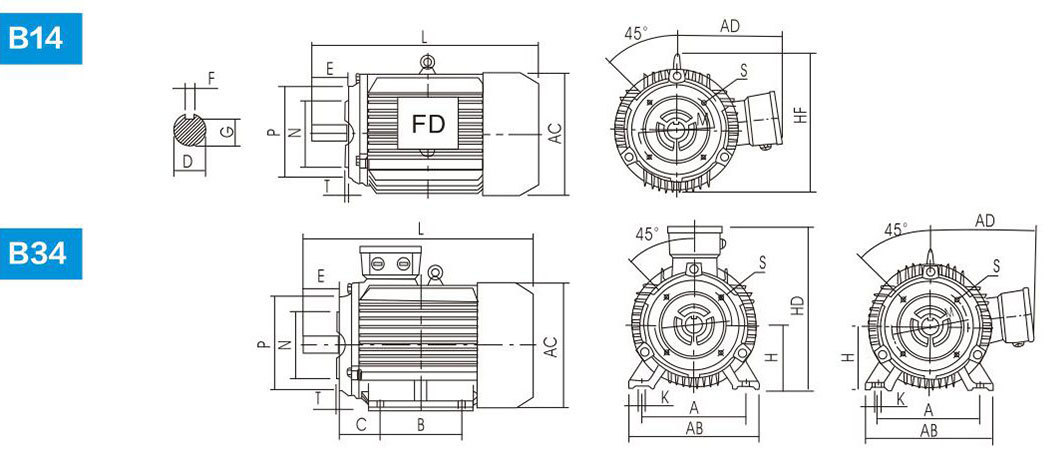
Three-phase asynchronous motors, also known as induction motors, are widely used in various industrial applications, including automotive electronics and electrical components. These motors operate on the principle of electromagnetic induction, where the electric current in the stator windings generates a rotating magnetic field, which induces a current in the rotor. This results in the rotor turning and producing mechanical output.
One of the primary advantages of three-phase asynchronous motors is their efficiency. They have a high power-to-weight ratio, making them ideal for applications where space and weight are critical factors, such as in automotive systems. Additionally, these motors exhibit a robust design, which allows them to withstand harsh operating conditions often encountered in automotive environments.
The construction of a three-phase asynchronous motor consists of two main parts: the stator and the rotor. The stator is equipped with three-phase windings that are spaced 120 degrees apart, creating a rotating magnetic field when energized. The rotor can be of two types: squirrel cage or wound type. The squirrel cage rotor is the most commonly used due to its simple construction and reliability.
One key feature of three-phase asynchronous motors is their ability to operate without external starting mechanisms. The motor starts and accelerates to synchronize with the speed of the rotating magnetic field, which is essential in automotive applications where immediate responsiveness is required. This self-starting capability simplifies the design of starting systems and reduces overall costs.
Another aspect to consider is the performance characteristics of three-phase asynchronous motors. These motors typically exhibit a slip, which is the difference between the synchronous speed of the magnetic field and the actual speed of the rotor. The slip is crucial for determining the motor's torque and efficiency. In automotive applications, optimizing slip can lead to better performance and energy savings.
Moreover, three-phase asynchronous motors can be effectively controlled using variable frequency drives (VFDs). This technology allows for precise speed control and enhanced efficiency, making it suitable for modern automotive applications that demand varying speeds and loads. VFDs can also improve the overall lifespan of the motor by reducing mechanical stress during operation.
In conclusion, understanding the intricacies of three-phase asynchronous motors is vital for professionals in the automotive industry. Their efficiency, robust design, and adaptability to control systems make them an excellent choice for electric and electronic components in vehicles. By leveraging the unique features of these motors, automotive engineers can enhance performance, reduce energy consumption, and achieve greater reliability in their applications.
One of the primary advantages of three-phase asynchronous motors is their efficiency. They have a high power-to-weight ratio, making them ideal for applications where space and weight are critical factors, such as in automotive systems. Additionally, these motors exhibit a robust design, which allows them to withstand harsh operating conditions often encountered in automotive environments.
The construction of a three-phase asynchronous motor consists of two main parts: the stator and the rotor. The stator is equipped with three-phase windings that are spaced 120 degrees apart, creating a rotating magnetic field when energized. The rotor can be of two types: squirrel cage or wound type. The squirrel cage rotor is the most commonly used due to its simple construction and reliability.
One key feature of three-phase asynchronous motors is their ability to operate without external starting mechanisms. The motor starts and accelerates to synchronize with the speed of the rotating magnetic field, which is essential in automotive applications where immediate responsiveness is required. This self-starting capability simplifies the design of starting systems and reduces overall costs.
Another aspect to consider is the performance characteristics of three-phase asynchronous motors. These motors typically exhibit a slip, which is the difference between the synchronous speed of the magnetic field and the actual speed of the rotor. The slip is crucial for determining the motor's torque and efficiency. In automotive applications, optimizing slip can lead to better performance and energy savings.
Moreover, three-phase asynchronous motors can be effectively controlled using variable frequency drives (VFDs). This technology allows for precise speed control and enhanced efficiency, making it suitable for modern automotive applications that demand varying speeds and loads. VFDs can also improve the overall lifespan of the motor by reducing mechanical stress during operation.
In conclusion, understanding the intricacies of three-phase asynchronous motors is vital for professionals in the automotive industry. Their efficiency, robust design, and adaptability to control systems make them an excellent choice for electric and electronic components in vehicles. By leveraging the unique features of these motors, automotive engineers can enhance performance, reduce energy consumption, and achieve greater reliability in their applications.
PREVIOUS:
Contact
E-mail :
Tel/ WhatsApp:
Address:
Daxi Industrial District, Daxi Town, Wenling City, Zhejiang, China
Daxi Industrial District, Daxi Town, Wenling City, Zhejiang, China
