WELCOME TO FANGDA ELECTRIC MACHINE CO..LTD



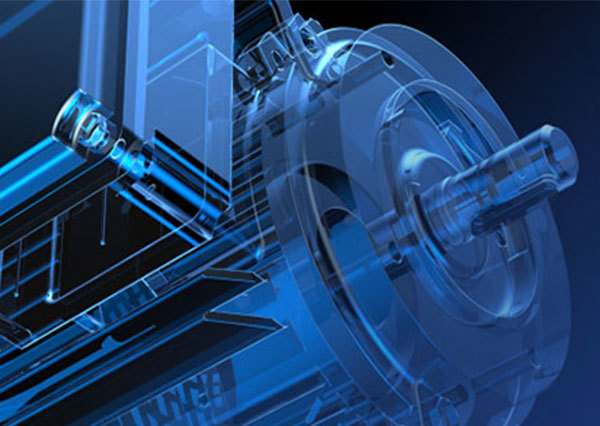
Key Applications of Special-Type Motors in Electrical Equipment
Sep 23,2026
Key Applications of Special-Type Motors in Electrical Equipment
Table of Contents
1. Introduction to Special-Type Motors
2. Functionality and Design of Special-Type Motors
3. Diverse Applications of Special-Type Motors
3.1 Industrial Applications
3.2 Automotive and Transportation
3.3 Renewable Energy Systems
3.4 Medical Equipment
3.5 Ae
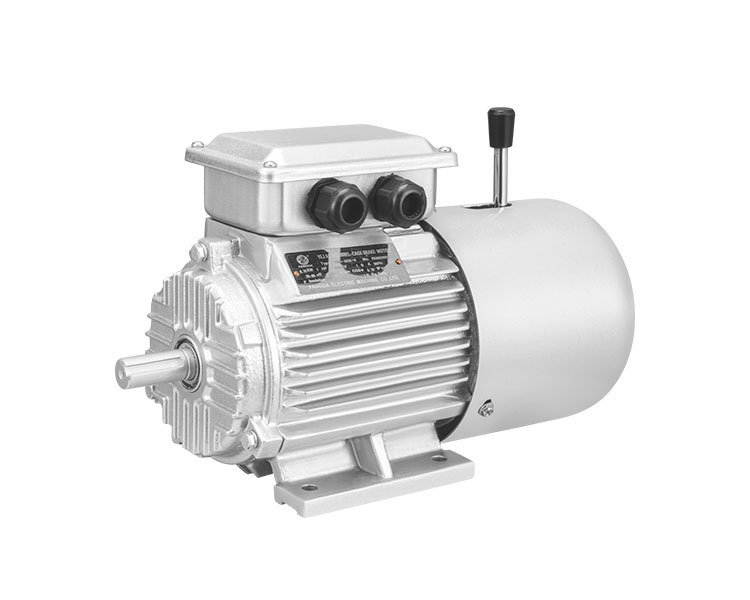
Key Applications of Special-Type Motors in Electrical Equipment
Table of Contents
- 1. Introduction to Special-Type Motors
- 2. Functionality and Design of Special-Type Motors
- 3. Diverse Applications of Special-Type Motors
- 3.1 Industrial Applications
- 3.2 Automotive and Transportation
- 3.3 Renewable Energy Systems
- 3.4 Medical Equipment
- 3.5 Aerospace and Defense
- 4. Benefits of Using Special-Type Motors
- 5. Challenges in Implementation
- 6. Future Trends and Innovations
- 7. Frequently Asked Questions (FAQs)
- 8. Conclusion
1. Introduction to Special-Type Motors
Special-type motors have emerged as pivotal components within the electrical equipment landscape. These motors are engineered to meet specialized needs across various industries, offering enhanced performance and efficiency. Unlike standard electric motors, special-type motors are designed with unique features that cater to specific applications, ensuring optimal results in diverse environments.
2. Functionality and Design of Special-Type Motors
The design of special-type motors is often dictated by their intended application. They may include features such as variable speed control, high torque capabilities, or even resistance to extreme environmental conditions. This section will explore the core functionalities that distinguish these motors from traditional models.
2.1 Types of Special-Type Motors
- **Synchronous Motors**: Commonly used in applications requiring precise speed control and high torque.
- **Stepper Motors**: Ideal for applications needing accurate positioning and low-speed control.
- **Servo Motors**: Utilize feedback systems for continuous control over position, speed, and acceleration.
- **Brushless DC Motors**: Known for their efficiency and longevity, often utilized in high-performance applications.
2.2 Key Components
The key components of special-type motors include the rotor, stator, and control systems. Each element works in harmony to provide precise motion control and durability, making them suitable for demanding applications.
3. Diverse Applications of Special-Type Motors
The flexibility and adaptability of special-type motors allow them to be employed in a myriad of applications.
3.1 Industrial Applications
In industrial settings, special-type motors are frequently utilized in automation systems, conveyor belts, and robotics. Their ability to handle high loads and provide reliable performance makes them indispensable in manufacturing processes.
3.2 Automotive and Transportation
In the automotive sector, special-type motors power electric vehicles (EVs), hybrid systems, and various automotive components like power steering and window motors. Their compact design and efficiency are crucial for modern vehicle technologies.
3.3 Renewable Energy Systems
Special-type motors are integral to renewable energy technology, particularly in wind turbines and solar panel systems. They contribute to the efficient conversion of energy into usable power, supporting global sustainability efforts.
3.4 Medical Equipment
In the medical field, precision is paramount. Special-type motors are utilized in various devices, such as MRI machines, robotic surgical tools, and patient monitoring systems, ensuring reliable and accurate operation.
3.5 Aerospace and Defense
The aerospace industry relies on special-type motors for applications ranging from flight control systems to satellite operations. Their robustness and reliability are essential for missions that demand the utmost precision.
4. Benefits of Using Special-Type Motors
The advantages of incorporating special-type motors into electrical equipment are manifold. They offer enhanced efficiency, durability, and versatility. Additionally, their ability to function in harsh environments expands their applicability across various sectors.
4.1 Energy Efficiency
Many special-type motors are designed to minimize energy consumption, aligning with the global push towards sustainability. This efficiency translates into reduced operational costs and a lower carbon footprint.
4.2 Improved Performance
Special-type motors often deliver superior performance metrics compared to standard motors. Their ability to provide high torque and precise speed control enhances the overall performance of the equipment they power.
5. Challenges in Implementation
While special-type motors offer numerous benefits, challenges exist in their integration. These include higher initial costs, complex control system requirements, and the need for specialized knowledge for installation and maintenance.
5.1 Cost Considerations
The initial investment for special-type motors can be significant, which may deter some organizations from adopting this technology. However, long-term savings in energy and maintenance costs can offset these initial expenses.
5.2 Technical Expertise
Employing special-type motors often requires specialized knowledge. Organizations must invest in training or hire experts to ensure proper installation and maintenance, adding another layer of complexity to the adoption process.
6. Future Trends and Innovations
As technology continues to evolve, special-type motors are expected to undergo significant advancements. Innovations in materials, control systems, and design methodologies will enhance their efficiency and broaden their range of applications.
6.1 Integration with IoT
The integration of special-type motors with the Internet of Things (IoT) will revolutionize their functionality. Real-time monitoring and data analysis will enable predictive maintenance and improve operational efficiency.
6.2 Advancements in Materials
Emerging materials, such as lightweight composites and advanced magnets, will contribute to the development of even more efficient motors, paving the way for their use in new applications.
7. Frequently Asked Questions (FAQs)
7.1 What are special-type motors?
Special-type motors are electric motors designed for specific applications, offering enhanced performance and features compared to standard motors.
7.2 How do special-type motors differ from standard motors?
They are tailored for particular needs, often incorporating advanced technology for energy efficiency, precision, and durability.
7.3 What industries benefit from special-type motors?
Industries such as manufacturing, automotive, renewable energy, medical, and aerospace extensively utilize special-type motors.
7.4 Are special-type motors more expensive than standard motors?
Yes, they typically have a higher initial cost due to their specialized design and technology. However, they can lead to long-term savings through increased efficiency and reduced maintenance costs.
7.5 What future trends are expected for special-type motors?
Expect advancements in IoT integration, improved materials, and greater efficiency, expanding their applications across various sectors.
8. Conclusion
Special-type motors play a vital role in the evolution of electrical equipment, facilitating advancements across numerous industries. Their unique designs and functionalities make them indispensable for applications requiring precision, efficiency, and durability. As technology progresses, we can anticipate exciting developments that will enhance the performance and capabilities of these motors, further solidifying their importance in the electrical landscape. Embracing these innovations will be crucial for organizations aiming to stay competitive and sustainable in an increasingly demanding market.
PREVIOUS:
Contact
E-mail :
Tel/ WhatsApp:
Address:
Daxi Industrial District, Daxi Town, Wenling City, Zhejiang, China
Daxi Industrial District, Daxi Town, Wenling City, Zhejiang, China
