WELCOME TO FANGDA ELECTRIC MACHINE CO..LTD



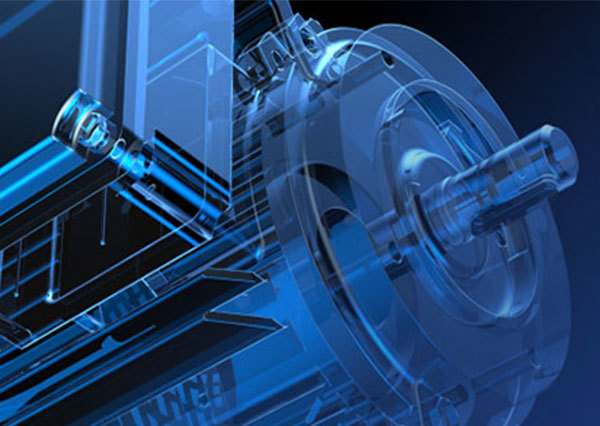
Understanding Single-Phase Asynchronous Motors: Functionality and Applications
Sep 24,2026
Single-phase asynchronous motors, commonly referred to as single-phase induction motors, are a crucial component in the electrical engineering landscape, particularly within the generator and power generation equipment sectors. These motors convert electrical energy into mechanical energy through electromagnetic induction, making them essential for numerous applications.
The operational principle
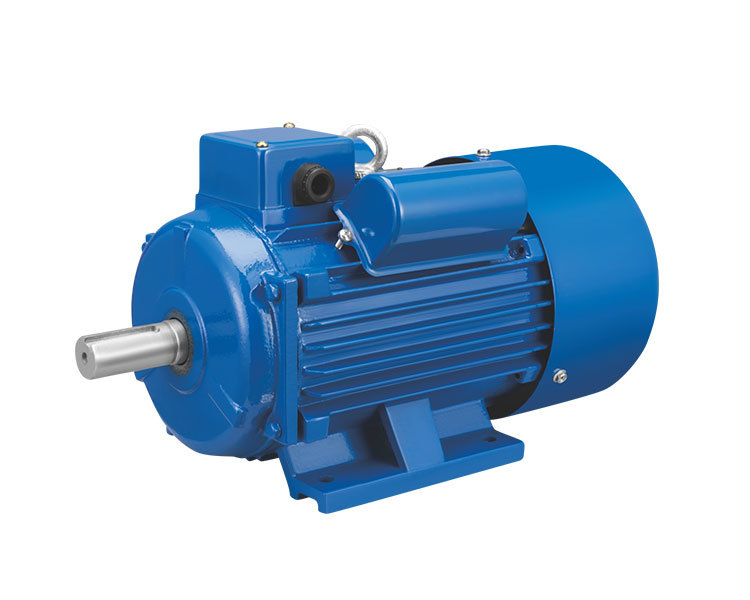
Single-phase asynchronous motors, commonly referred to as single-phase induction motors, are a crucial component in the electrical engineering landscape, particularly within the generator and power generation equipment sectors. These motors convert electrical energy into mechanical energy through electromagnetic induction, making them essential for numerous applications.
The operational principle of a single-phase asynchronous motor is relatively straightforward. When alternating current (AC) flows through the stator winding, it creates a rotating magnetic field. However, unlike three-phase motors, single-phase motors can only create a pulsating magnetic field, which does not inherently rotate. To overcome this limitation, a starting mechanism, such as a capacitor or an auxiliary winding, is utilized to generate an initial phase shift, enabling the motor to start rotating.
One of the notable characteristics of single-phase asynchronous motors is their simplicity in design, which contributes to their cost-effectiveness and ease of maintenance. They are typically robust and reliable, making them suitable for a variety of applications, including small appliances, fans, pumps, and conveyor systems. Their ability to operate on a single-phase power supply allows for greater flexibility in installation, particularly in residential and light commercial settings where three-phase power may not be available.
In terms of performance, single-phase asynchronous motors are often characterized by their lower efficiency compared to their three-phase counterparts. However, advancements in technology have led to the development of high-efficiency models that optimize energy consumption while maintaining satisfactory performance levels. The motor’s speed is primarily determined by the supply frequency and the number of poles in the winding, making it essential to match these parameters to the requirements of the specific application.
The applications of single-phase asynchronous motors extend beyond household appliances. They are widely used in industrial equipment such as lathes, grinding machines, and other machinery requiring moderate power levels. Furthermore, their compact size and lightweight design make them suitable for portable equipment and devices.
In conclusion, single-phase asynchronous motors play a vital role in the electrical engineering industry, particularly in the domain of generator technology. Their straightforward operation, versatility, and adaptability to various applications make them a popular choice across multiple sectors. Understanding their functionality and advantages can help engineers and technicians make informed decisions when selecting motors for specific applications, ensuring optimal performance and reliability in operations.
The operational principle of a single-phase asynchronous motor is relatively straightforward. When alternating current (AC) flows through the stator winding, it creates a rotating magnetic field. However, unlike three-phase motors, single-phase motors can only create a pulsating magnetic field, which does not inherently rotate. To overcome this limitation, a starting mechanism, such as a capacitor or an auxiliary winding, is utilized to generate an initial phase shift, enabling the motor to start rotating.
One of the notable characteristics of single-phase asynchronous motors is their simplicity in design, which contributes to their cost-effectiveness and ease of maintenance. They are typically robust and reliable, making them suitable for a variety of applications, including small appliances, fans, pumps, and conveyor systems. Their ability to operate on a single-phase power supply allows for greater flexibility in installation, particularly in residential and light commercial settings where three-phase power may not be available.
In terms of performance, single-phase asynchronous motors are often characterized by their lower efficiency compared to their three-phase counterparts. However, advancements in technology have led to the development of high-efficiency models that optimize energy consumption while maintaining satisfactory performance levels. The motor’s speed is primarily determined by the supply frequency and the number of poles in the winding, making it essential to match these parameters to the requirements of the specific application.
The applications of single-phase asynchronous motors extend beyond household appliances. They are widely used in industrial equipment such as lathes, grinding machines, and other machinery requiring moderate power levels. Furthermore, their compact size and lightweight design make them suitable for portable equipment and devices.
In conclusion, single-phase asynchronous motors play a vital role in the electrical engineering industry, particularly in the domain of generator technology. Their straightforward operation, versatility, and adaptability to various applications make them a popular choice across multiple sectors. Understanding their functionality and advantages can help engineers and technicians make informed decisions when selecting motors for specific applications, ensuring optimal performance and reliability in operations.
PREVIOUS:
Contact
E-mail :
Tel/ WhatsApp:
Address:
Daxi Industrial District, Daxi Town, Wenling City, Zhejiang, China
Daxi Industrial District, Daxi Town, Wenling City, Zhejiang, China
