WELCOME TO FANGDA ELECTRIC MACHINE CO..LTD



Understanding Single-Phase Asynchronous Motors: Key Insights for Professionals
Jan 02,2026
Single-phase asynchronous motors, often known for their simplicity and reliability, play an essential role in various applications within the electrical and power generation industries. Unlike their three-phase counterparts, single-phase motors rely on a single alternating current supply, making them ideally suited for smaller applications such as household appliances, fans, and small pumps. This
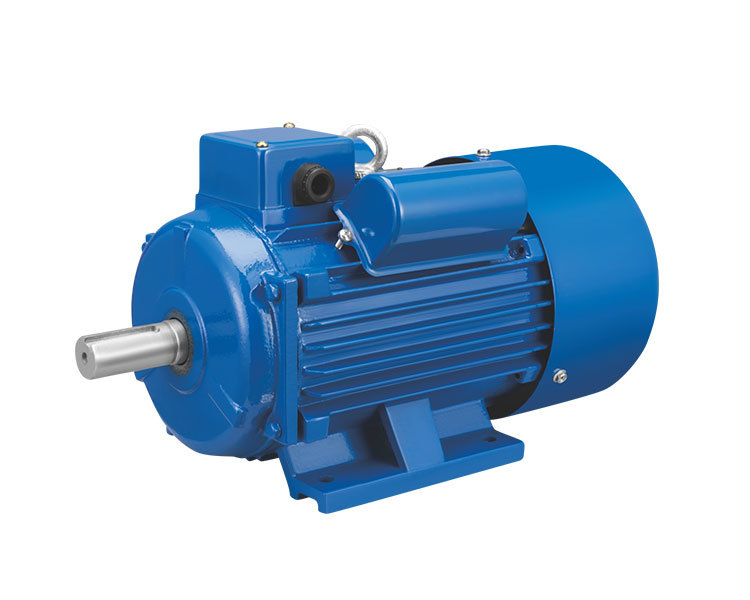
Single-phase asynchronous motors, often known for their simplicity and reliability, play an essential role in various applications within the electrical and power generation industries. Unlike their three-phase counterparts, single-phase motors rely on a single alternating current supply, making them ideally suited for smaller applications such as household appliances, fans, and small pumps. This article delves into the fundamental aspects of these motors, offering critical knowledge for professionals tasked with selecting and implementing electrical equipment.
At the heart of a single-phase asynchronous motor's operation is the induction principle. The motor consists of two main components: the stator and the rotor. The stator generates a rotating magnetic field when an alternating current flows through it. This magnetic field induces a current in the rotor, creating torque that causes the rotor to turn. The asynchronous nature of these motors means that the rotor does not necessarily rotate at the same speed as the magnetic field, leading to a slip that is crucial for torque production.
One of the key advantages of single-phase asynchronous motors is their straightforward construction, which typically requires fewer components and less maintenance compared to more complex motor types. This simplicity translates into lower manufacturing costs and easier installation, making them an attractive option for a wide range of applications. Additionally, these motors are known for their robustness and longevity, often operating effectively in environments with minimal protective measures.
However, it is essential to consider the limitations of single-phase asynchronous motors as well. They generally offer lower starting torque compared to three-phase motors, which can be a disadvantage in applications requiring high initial power. To address this issue, various starting methods, such as capacitor start and split-phase designs, can be employed to enhance starting performance.
When selecting a single-phase asynchronous motor, professionals must assess the specific requirements of their application, including load characteristics, speed, and efficiency. Understanding the motor's operational parameters, such as full-load current and service factor, is crucial to ensure reliable performance over time.
In conclusion, single-phase asynchronous motors remain a vital component in the landscape of electrical equipment and power generation. Their ease of use, cost-effectiveness, and reliability make them the preferred choice for many smaller-scale applications. By gaining a deeper understanding of their operation and characteristics, professionals can optimize their use and ensure that they meet the demands of various projects effectively.
At the heart of a single-phase asynchronous motor's operation is the induction principle. The motor consists of two main components: the stator and the rotor. The stator generates a rotating magnetic field when an alternating current flows through it. This magnetic field induces a current in the rotor, creating torque that causes the rotor to turn. The asynchronous nature of these motors means that the rotor does not necessarily rotate at the same speed as the magnetic field, leading to a slip that is crucial for torque production.
One of the key advantages of single-phase asynchronous motors is their straightforward construction, which typically requires fewer components and less maintenance compared to more complex motor types. This simplicity translates into lower manufacturing costs and easier installation, making them an attractive option for a wide range of applications. Additionally, these motors are known for their robustness and longevity, often operating effectively in environments with minimal protective measures.
However, it is essential to consider the limitations of single-phase asynchronous motors as well. They generally offer lower starting torque compared to three-phase motors, which can be a disadvantage in applications requiring high initial power. To address this issue, various starting methods, such as capacitor start and split-phase designs, can be employed to enhance starting performance.
When selecting a single-phase asynchronous motor, professionals must assess the specific requirements of their application, including load characteristics, speed, and efficiency. Understanding the motor's operational parameters, such as full-load current and service factor, is crucial to ensure reliable performance over time.
In conclusion, single-phase asynchronous motors remain a vital component in the landscape of electrical equipment and power generation. Their ease of use, cost-effectiveness, and reliability make them the preferred choice for many smaller-scale applications. By gaining a deeper understanding of their operation and characteristics, professionals can optimize their use and ensure that they meet the demands of various projects effectively.


Contact
E-mail :
Tel/ WhatsApp:
Address:
Daxi Industrial District, Daxi Town, Wenling City, Zhejiang, China
Daxi Industrial District, Daxi Town, Wenling City, Zhejiang, China
